







Misguided Potassium Fears
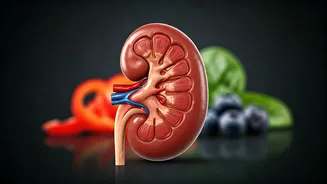
Many individuals mistakenly cut out potassium-rich vegetables like tomatoes, spinach, and bananas due to misconceptions about kidney health. This drastic
measure, however, can deprive the body of essential fiber, magnesium, folate, and antioxidants, potentially exacerbating issues like high blood pressure and poor gut health, which are crucial for overall kidney well-being. For those with healthy kidneys, these nutrient-dense foods are actually protective and contribute positively to bodily functions, rather than posing a threat. Restricting them without a medical basis can lead to unintended negative consequences for cardiovascular and digestive systems, indirectly impacting kidney function.
The Plant-Based Deception
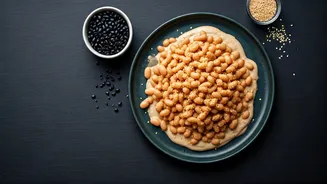
The 'plant-based' label doesn't automatically guarantee kidney-friendliness. Many processed vegan alternatives, such as mock meats and vegan cheeses, fall into the ultra-processed food category. These items are frequently laden with excessive sodium and phosphorus additives, which can put a strain on the kidneys even before observable changes appear in medical tests. High sodium intake can elevate blood pressure and worsen proteinuria, while added phosphorus can overwhelm the kidneys' filtration capacity. Therefore, it's essential to scrutinize the ingredients of plant-based products, recognizing that factory-produced options may not align with kidney health goals.
High-Protein Diet Risks
While protein is vital, aggressive high-protein diets, especially those relying on powders and excessive red meat, can be detrimental for individuals with undiagnosed kidney issues. For healthy kidneys, a protein intake of 1.0–1.2 grams per kilogram of body weight is generally considered safe and necessary. However, for those with compromised kidney function, excessive protein can increase pressure within the glomeruli, the filtering units of the kidney, thereby accelerating existing damage. It's crucial to assess individual kidney health before embarking on any high-protein regimen to avoid exacerbating underlying conditions.
The Pitfalls of Skipping Meals
Choosing to skip meals, often due to the overwhelming nature of managing a health condition, can introduce a new set of complications. This practice can lead to dehydration, episodes of low blood pressure, and muscle wasting. Dehydration diminishes crucial blood flow to the kidneys, while fluctuating blood sugar and blood pressure levels can aggravate two significant risk factors for kidney disease progression. Maintaining a consistent pattern of balanced meals is key to supporting stable kidney perfusion and optimizing metabolic functions, ensuring the kidneys operate efficiently.
Beyond Generic Diet Charts
Expecting a doctor to provide a single, definitive diet chart for kidney health is often unrealistic. Kidney nutrition is highly personalized, requiring adjustments based on individual laboratory results, medications, and the specific stage of kidney disease. Relying on generic food lists can result in unnecessary dietary limitations, nutrient deficiencies, or overlooking critical warning signs. A collaborative approach between the patient and healthcare provider, focused on tailored dietary strategies rather than a rigid prescription, is essential for effective kidney management and overall well-being.