







Market's Negative Shift
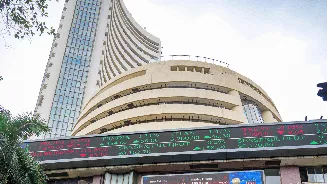
The Indian stock market recently faced a significant downturn, a reflection of increasing volatility. This decline saw the benchmark indices, the Sensex
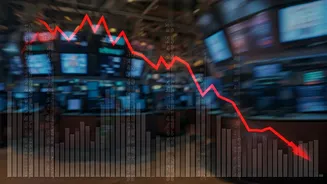
and Nifty, experience a sharp fall. The negative movement in the market became quite visible, affecting investor confidence and leading to a widespread sell-off. This scenario prompted worries among market participants, pointing to the need for careful assessment of the factors contributing to the market's performance. The drop in the indices indicated a broader trend, affecting the outlook for various sectors and raising concerns about the immediate market trajectory. The prevailing conditions highlighted the complex dynamics driving the Indian stock market.
Foreign Fund Outflows
A primary reason for the market's decline was the notable outflow of foreign funds. These funds, crucial for market liquidity, began moving out of the Indian market. This outflow had a direct impact, decreasing the available capital and thus putting downward pressure on stock prices. The decision by foreign investors to withdraw their investments reflects a change in sentiment, influenced by economic uncertainties and global market conditions. The flow of funds acts as an indicator of market health, and the outflows signaled growing apprehension among foreign investors. This activity played a significant role in influencing the market’s behavior. As a result, the market faced diminished liquidity and a resultant decrease in overall values, contributing to the downward trend.
Trade-Related Concerns
Adding to the market's troubles were increasing worries about trade-related matters. These concerns, often linked to global economic policies and trade disputes, created uncertainty, which then affected investor sentiment. Such issues often lead to market instability, as trade policies directly influence the prospects of various industries. The potential effects of international trade tensions led to cautious trading behavior, with investors opting to reduce risk. Such concerns were heightened by the unpredictable shifts in the global economic landscape. This caution, driven by trade-related uncertainty, intensified the downward pressure on the market. These apprehensions thus contributed significantly to the negative trend observed in the Indian stock market.
Investor Reaction, Impact
The combined impact of foreign fund outflows and trade-related anxieties triggered a negative reaction from investors. The prevailing conditions prompted many to sell their holdings, further accelerating the market's decline. This widespread selling caused stock prices to fall, reflecting diminishing confidence in the market's near-term prospects. Investor actions often amplify market trends, and this was particularly evident during this downturn. This led to a significant decrease in the overall market values. As a result, the market's reaction highlighted the sensitivity of the Indian stock market to global economic forces and investor sentiment. The overall impact demonstrated how external and internal factors combined to steer the market towards a bearish trajectory.