

Understanding Cactus Fruit
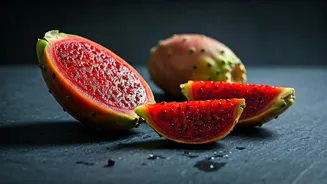
Cactus fruit, often called prickly pear, presents a striking visual with its vibrant hues ranging from green and yellow to pink and deep purple. Despite
its formidable spiky exterior, the flesh beneath is a delightful surprise: juicy, subtly sweet, and wonderfully refreshing, often drawing comparisons to a blend of watermelon and berries. This unique fruit is not only palatable but also packed with nutritional benefits, boasting a good source of dietary fiber, vitamin C, and beneficial antioxidants. These attributes make it a healthy and hydrating choice, particularly during warmer seasons. The fruit also contains small, edible seeds that contribute a pleasant, subtle crunch to its texture, adding another dimension to the eating experience.
Tackling Spines Safely
The formidable spines adorning cactus fruit serve as a natural defense for the nopal cactus plant. However, the danger extends beyond the easily visible thorns; the fruit's skin is also covered in microscopic, hair-like structures called glochids. These minute barbs are incredibly difficult to spot but can easily embed themselves in the skin, causing irritation and discomfort. Due to the presence of these invisible threats, it is paramount to handle the fruit with extreme caution. Direct contact with the unpeeled fruit should always be avoided to prevent any unpleasant encounters with these prickly defenses.
Essential Preparation Tools
To ensure a safe and hassle-free experience when preparing cactus fruit, gathering a few essential tools beforehand is crucial. You will need a sharp, reliable knife capable of making clean cuts through the fruit's skin. A sturdy chopping board will provide a stable surface for your preparation. To safely handle the spiky fruit and avoid direct contact with spines and glochids, a pair of kitchen tongs or thick, protective gloves is indispensable. Finally, have a clean bowl ready to collect the peeled fruit, ensuring it remains pristine for consumption.
Step-by-Step Cutting Guide
Begin the preparation by thoroughly rinsing the cactus fruit under running water. Hold the fruit securely with tongs or gloves and gently rub its surface to dislodge any loose spines. Next, using your sharp knife, carefully slice off both the top and bottom ends of the fruit; this action creates flat surfaces that simplify the subsequent peeling process. Following this, make a single, shallow incision lengthwise along the fruit's side, ensuring you cut only through the skin, not into the tender flesh beneath. With the slit made, you can then carefully insert the tip of your knife or your gloved fingers underneath the peel and gently pull it away from the fruit's flesh. The skin should detach in one or two large sections. Immediately discard the peel in a safe place to prevent any accidental contact with residual spines. Once fully peeled, the fruit is safe to handle with your bare hands.
Culinary Delights Await
Once expertly peeled, cactus fruit transforms into a versatile ingredient, ready to be enjoyed in numerous ways. Its naturally soft texture and delicate sweetness lend themselves beautifully to various culinary applications. For a simple and direct pleasure, slice the peeled fruit into wedges or rounds and consume it as is; its juicy, cooling nature makes for a delightfully refreshing snack, and the edible seeds add a subtle crunch. It can also elevate fruit salads, diced into bite-sized cubes and combined with other fruits like berries or melon, adding vibrant color and a unique flavor profile. For beverages, the fruit blends seamlessly into smoothies or juices, pairing well with water, coconut water, or citrus juices; for a smoother consistency, the mixture can be strained to remove the seeds. Furthermore, cactus fruit is an excellent addition to chilled desserts such as sorbets or popsicles, its high water content making it ideal for summer treats. In some culinary traditions, it's even incorporated into savory dishes, adding a touch of sweetness to salsas or balancing the heat in mildly spiced meals.
Selection and Storage Tips
When selecting cactus fruits from the market, opt for those that feel firm yet yield slightly to gentle pressure. Fruits that are excessively hard may not be ripe enough, while those that are overly soft could be past their prime. Proper storage is key to preserving its freshness. After peeling, it is advisable to place the cactus fruit in an airtight container and store it in the refrigerator. To best enjoy its delicate flavor and texture, it should be consumed within two days of peeling.