



Breathe: 4-7-8 Method
The 4-7-8 breathing technique, as outlined here, is a straightforward method to quickly ease stress. Begin by exhaling completely through your mouth. Then,
inhale quietly through your nose for a count of four. Hold your breath for a count of seven, and exhale slowly through your mouth for a count of eight. Repeat this cycle several times. This controlled breathing pattern helps regulate your nervous system, promoting a sense of calm. Many people find that by doing this they can quickly begin to reduce feelings of stress and anxiety.
Listen: Audio Serenity
Immerse yourself in calming audio content to relax. This can include podcasts, audiobooks, or simply soothing music. Choosing content that engages your mind in a gentle way can distract you from stressful thoughts. Listening to ambient sounds, nature recordings, or guided meditations are all great options. The key is to find something that helps you shift your focus and unwind. This is a very easy method of relaxation for those who struggle with overthinking, as it takes your mind away from the endless cycle of thought.
Create: Hands-on Activity
Engage in a creative activity to channel your energy and de-stress. Activities like painting, drawing, knitting, or sculpting can offer a sense of accomplishment. The process of creating something with your hands allows you to focus your attention, freeing your mind from worries. The focus on the present moment during creative endeavors can act as a form of meditation. Plus, having a tangible result provides a satisfying sense of accomplishment, boosting your mood and helping you relax. Any hands-on activity that engages your senses and allows for self-expression can be incredibly effective.
Organize: Small Space
Decluttering a small space can significantly reduce stress. A clean and organized environment often contributes to a clearer, more relaxed mind. Start with a small area, like a drawer or a shelf, to avoid feeling overwhelmed. As you tidy up, you'll feel a sense of control and accomplishment. This simple act of organization can create a sense of order, allowing you to create a more peaceful mental state. By addressing a small space, you are more likely to achieve your goal and experience the positive effects of a neat environment.
Bathe: Warm Relaxation
A warm bath or shower is a simple yet effective way to unwind. The warmth of the water helps relax your muscles, which promotes a feeling of physical relaxation. Consider adding Epsom salts, essential oils, or a soothing bath product to enhance the experience. The gentle warmth and soothing scents create a relaxing atmosphere that can calm your mind. This practice is a classic relaxation technique that soothes the body and mind, helping you transition to a more relaxed state.
Stretch: Gentle Movement
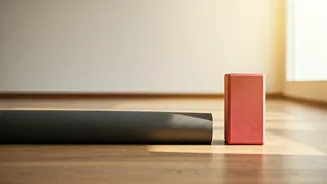
Engaging in gentle stretching or Yin yoga can significantly reduce tension in your body. Stretching improves flexibility and eases muscle stiffness. Yin yoga holds poses for longer durations, which is perfect for deep relaxation. These gentle movements can release physical and emotional tension, promoting a sense of calm. The focus on slow, mindful movements encourages you to be present and to connect with your body, creating an opportunity for relaxation and stress relief.
Rest: Brain Break
Instead of resorting to habits that keep you in bed, consider trying activities that truly rest your mind. This can be as simple as reading a book, listening to music, or practicing a hobby. Avoid scrolling through social media or other stimulating activities that could keep you from sleeping, as these can actually have the opposite effect. Choosing activities that help you unwind and disconnect from daily stressors can provide needed rest for your brain. By focusing on restful activities, you allow your mind to fully recharge.
Walk: Nature's Embrace
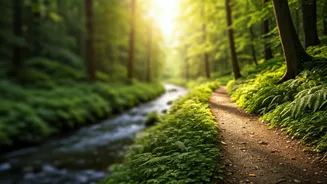
Taking a mindful nature walk offers numerous benefits for relaxation. The combination of fresh air, natural surroundings, and gentle movement has a calming effect on the nervous system. Pay attention to the sights, sounds, and smells around you. The practice of mindfulness in nature helps ground you in the present moment, reducing stress and anxiety. Being present in the beauty of nature can provide a sense of peace and tranquility, encouraging mental relaxation.
Journal: Gratitude Practice
Practicing gratitude journaling involves writing down things you are thankful for, which is a powerful way to shift your focus from negativity to positivity. Reflecting on the good things in your life improves your mood and helps manage stress. Writing down your feelings can also provide a healthy outlet for negative emotions. Make it a daily habit to cultivate a sense of appreciation, making the practice of gratitude journaling a tool for building emotional resilience and enhancing overall well-being. It can also help you feel happier and more content.