




Master the Pedal
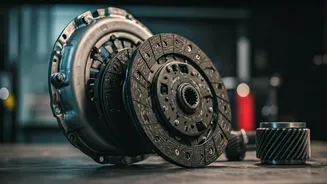
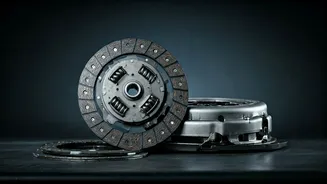
Your clutch and gearbox are vital, and their longevity hinges on how you drive. In busy urban environments with constant stop-start traffic, these components
endure immense stress. Habits like riding the clutch, engaging it unnecessarily, or shifting gears aggressively can lead to rapid wear and eventual failure. Since repairs for these parts are expensive, proactive care is crucial. By understanding how your clutch and transmission work and adopting smoother driving techniques, you can minimize strain, leading to better performance and improved fuel efficiency. Let's explore straightforward practices to reduce wear, enhance your driving experience, and cut down on long-term ownership expenses.
Avoid Clutch Riding
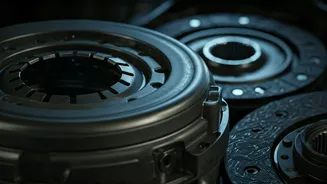
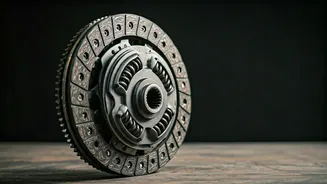
A common mistake that significantly shortens clutch life is 'riding the clutch.' This occurs when you keep the clutch pedal partially depressed even when the vehicle is moving. This continuous partial engagement generates excessive friction between the clutch plates, leading to premature wear and overheating. To prevent this, make it a habit to fully release the clutch pedal immediately after completing a gear change. The pedal should only be depressed when you intend to shift gears or stop the vehicle. Proper clutch usage ensures full engagement, minimizing friction and heat build-up, thereby extending the life of this critical component.
Strategic Gear Shifting
Abrupt or forceful gear changes can inflict damage upon the delicate internal mechanisms of your gearbox. It's essential to shift gears smoothly and at appropriate engine speeds, ensuring the gear selected matches the current driving conditions. This mindful approach reduces unnecessary stress on the entire drivetrain. Furthermore, learn to utilize engine braking when slowing down. By downshifting appropriately, you can help the vehicle decelerate naturally, which not only reduces wear on your brakes but also minimizes the strain on the clutch system. Vehicles are designed to slow down effectively while in gear, making this a beneficial practice.
Conquer Inclines Wisely
Holding your car on an incline solely with the clutch is a surefire way to cause rapid wear and overheating. This practice puts constant, immense pressure on the clutch plates as they try to counteract gravity. Instead, use your vehicle's brakes to keep it stationary on a slope. Once you're ready to move forward, engage the clutch smoothly and decisively, using gentle acceleration to get the car rolling. This prevents the clutch from being subjected to prolonged slippage and heat, safeguarding its integrity and longevity.
Hands Off the Lever
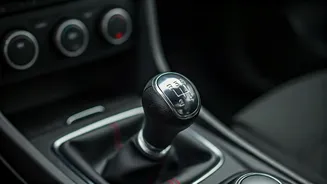
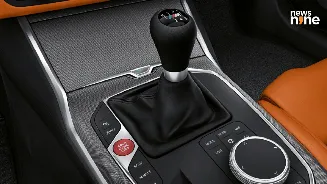
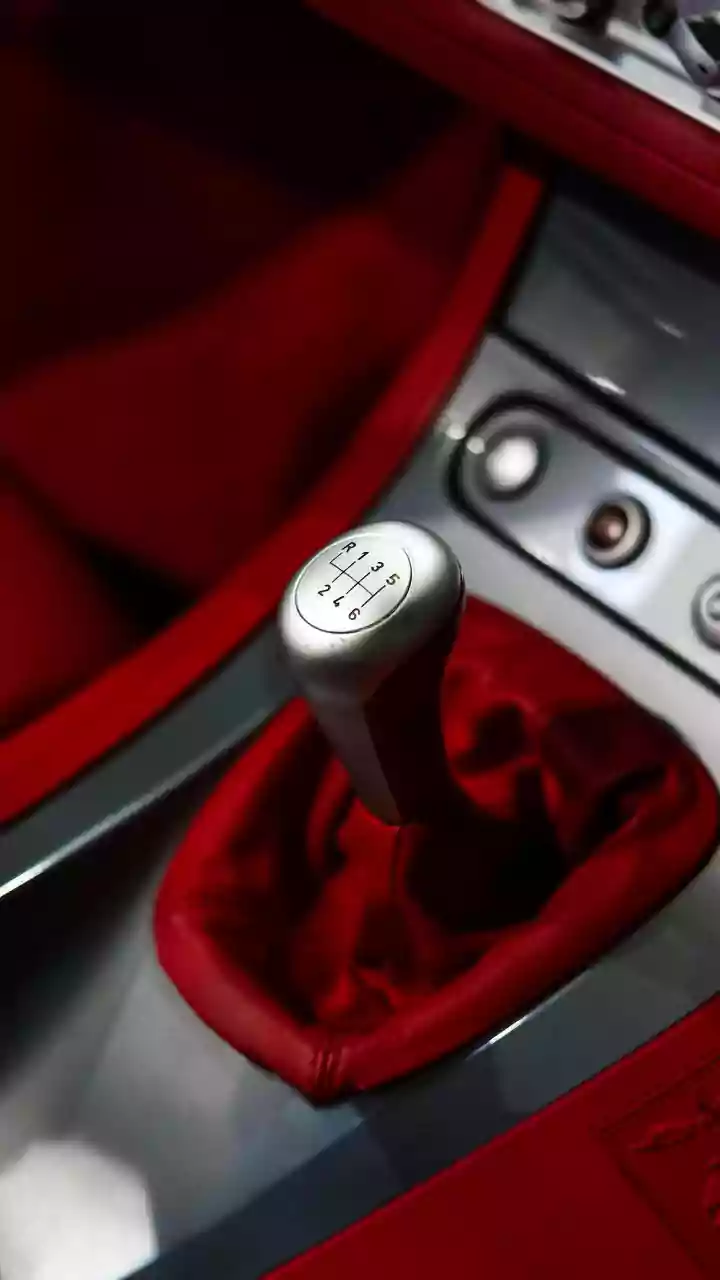
It may seem like a minor habit, but resting your hand on the gear lever while driving can have detrimental effects on your gearbox over time. This constant, subtle pressure exerted on the lever can transfer to the internal shifting forks and other components. Over extended periods, this can lead to accelerated wear and potential damage. The gear lever is designed for manipulation during gear changes only. When you're not actively shifting, it's best to keep your hand away from it, allowing the internal components to remain free from unnecessary stress.
Traffic Awareness Pays
Navigating stop-and-go traffic requires a heightened sense of awareness to protect your clutch. Frequent gear shifts and clutch engagements in congested conditions accelerate wear significantly. By maintaining a safe distance from the vehicle ahead and anticipating changes in traffic flow, you can minimize unnecessary clutch use. This allows for smoother progression, fewer abrupt stops, and ultimately, less stress on your clutch and gearbox. Proactive driving in traffic is key to reducing wear and tear.
Routine Checks Matter
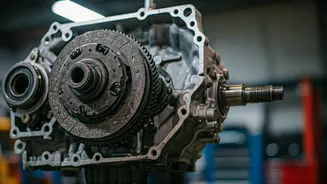
Regular maintenance is a cornerstone of ensuring your clutch and gearbox function optimally and last longer. The gearbox oil plays a crucial role in lubricating the internal components, ensuring smooth operation and dissipating heat. Adhering to your vehicle's recommended service schedule for gearbox fluid checks and changes is vital. Furthermore, pay attention to your clutch system during these inspections. Catching potential issues early through regular visual checks and fluid level assessments can prevent minor problems from escalating into costly repairs.
Heed Warning Signs
Your vehicle often communicates potential problems through subtle signs. It's essential to be attentive to any unusual occurrences related to your clutch or gearbox. Symptoms such as difficulty when shifting gears, strange grinding noises during operation, the clutch pedal feeling unusually light or heavy, or a distinct burning smell can all indicate underlying issues. Ignoring these warning signs can lead to more severe damage and significantly more expensive repairs. Promptly addressing these indicators with a professional inspection can save you substantial costs and prevent major component failure.