








Beyond Green Hue
The conventional image of a leaf is a vibrant green, powered by photosynthesis. However, nature presents remarkable exceptions that push the boundaries
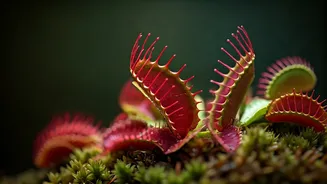
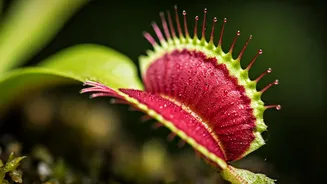
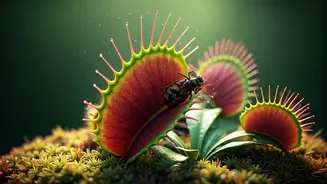
of plant adaptation. These unusual forms are not mere aesthetic choices but crucial tools for survival, shaped by intense environmental pressures. Some leaves have evolved to become deadly traps for unsuspecting insects, while others display striking colors, like a deep blood-red, deviating sharply from the norm. In even rarer instances, certain plants have managed to thrive without relying on sunlight at all, demonstrating the immense evolutionary plasticity of the plant kingdom when faced with the imperative to persist.
Carnivorous & Deceptive Leaves
The Cobra Lily exemplifies nature's deceptive artistry, featuring tubular, hood-shaped leaves that bear an uncanny resemblance to a coiled snake. This striking mimicry serves a sinister purpose: luring insects into its trap. The inner surface of the leaf is designed to trap prey, with downward-pointing hairs that prevent escape and a slippery surface that guides insects further in. Once inside, the insects become a food source, transforming this plant into an active predator. This evolutionary strategy allows the Cobra Lily to supplement its nutrient intake, particularly in environments where soil nutrients are scarce.
Ethereal & Disguised Foliage
The Ghost Plant presents an almost spectral appearance with its pale, translucent leaves, a direct consequence of its lack of chlorophyll. Instead of harnessing sunlight for energy, this unique plant sustains itself by forming a symbiotic relationship with fungi, drawing nutrients from their mycelial networks. This unusual method of sustenance gives the Ghost Plant an eerie, otherworldly glow. Meanwhile, Living Stones, scientifically known as Lithops, have masterfully evolved to resemble pebbles. Their thick, fleshy leaves are a testament to brilliant camouflage, allowing them to blend seamlessly into harsh desert landscapes and evade herbivores, showcasing one of the most effective natural disguises found in the plant world.
Dramatic Colors & Forms
Japanese Blood Grass offers a fiery spectacle, with its blades erupting in vivid red at the tips, creating an illusion of flames. This dramatic coloration not only makes the plant visually arresting but also serves as a distinctive characteristic. However, this striking beauty comes with a cautionary note, as related varieties are known to be invasive and highly flammable. Another remarkable example is the Black Elephant Ear, which boasts large, almost black leaves, a stark contrast to the typical green foliage. This deep pigmentation is often a result of selective breeding, lending the plant a striking, almost gothic aesthetic. The absence of recognizable leaf structures in Witches' Hair, which appears more like tangled spaghetti, highlights its parasitic nature. This plant wraps itself around host plants, siphoning nutrients and even possessing the ability to identify suitable hosts by scent.