
Sweet Sensations: Rasmalai, Gulab Jamun
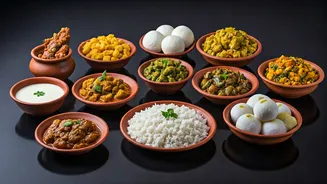
Let's start our culinary adventure with some of the most cherished Indian sweets, beginning with Rasmalai. This dessert features soft, spongy cheese patties,
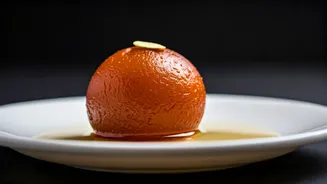
called 'chena', soaked in a sweet, thickened milk flavored with cardamom and saffron. It's a creamy, dreamy delight that melts in your mouth. Next up, we have Gulab Jamun, deep-fried milk balls soaked in a rose-flavored sugar syrup. They boast a soft, spongy interior and a delightfully sweet exterior. Both of these desserts are often enjoyed during festivals and special occasions in India, representing celebration and joy. These traditional sweets embody the rich cultural heritage of India, offering a burst of flavor that's hard to resist. The combination of textures and flavors in both Rasmalai and Gulab Jamun makes them a delightful treat for any occasion, leaving a lasting impression on anyone who tastes them.
Savory Delights: Samosa, Chole
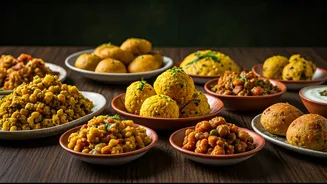
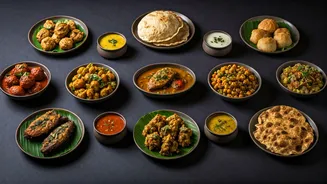
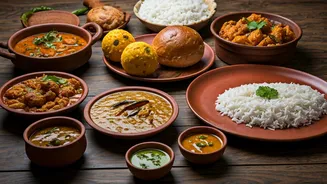
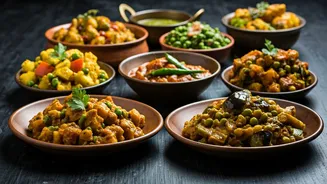
Transitioning from sweets, we explore the world of savory snacks. First, there is the iconic Samosa, a deep-fried pastry filled with a spiced mixture of potatoes, onions, peas, and lentils. This triangular treat is a popular street food and is often served with mint or tamarind chutney for added flavor. Then, we look at Chole, a flavorful chickpea curry. The dish is usually prepared with a blend of aromatic spices, creating a comforting and filling meal. Served with fluffy Bhatura (fried bread) or rice, Chole is a popular dish in North India. Samosas and Chole not only satisfy hunger but also reflect the diversity of Indian cuisine, each offering a unique combination of flavors that showcase the country's culinary ingenuity. They provide a perfect balance to the sweetness and add a nice savory touch to the palate.
Paneer Paradise: Recipes
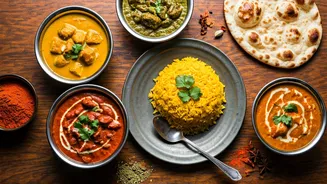
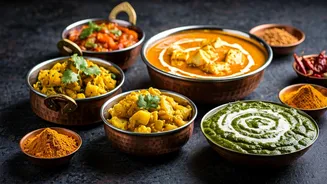
Paneer, or Indian cottage cheese, is a versatile ingredient in Indian cuisine, starring in many beloved recipes. First, there's Paneer Butter Masala, which is creamy and rich in tomato-based gravy, often enjoyed with naan or roti. Then, Palak Paneer is another popular dish that combines paneer with a spinach puree, creating a nutritious and flavorful curry. These dishes exemplify the adaptability of paneer, which easily absorbs the flavors of the spices and sauces it is cooked with. Paneer dishes are vegetarian staples and frequently found on restaurant menus and in homes across India. They are perfect for lunch or dinner and cater to various preferences with a range of flavors and textures, making them a consistent choice for many. Each preparation showcases the richness and versatility of paneer in Indian culinary traditions.
Diverse Rice & Other Dishes
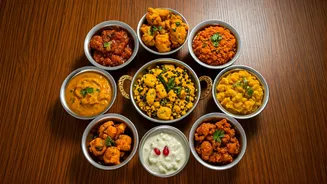
Exploring further, let's explore some rice and other options. First off, we have Dal Makhani, a rich and creamy lentil dish. The recipe often includes black lentils and kidney beans, slow-cooked with butter and cream for a decadent texture. Upma is a savory semolina porridge, popular for breakfast. It is quick to prepare and often includes vegetables and spices, making it a filling and flavorful option. Finally, there is the Rajma Recipe, a hearty dish consisting of kidney beans cooked in a thick gravy with onions, tomatoes, and spices. These dishes represent the diversity of Indian cuisine, offering a variety of flavors and textures that cater to different tastes. They showcase how a single meal can offer both complex flavors and simplicity. They are loved for their taste and ease of preparation.
Sweet Treats: More Sweets
Extending the focus on sweets, let's get into some more options. Kheer is a creamy rice pudding flavored with cardamom, nuts, and sometimes saffron. It's a comforting dessert, often served during celebrations. Kaju Katli is a cashew-based sweet, made with cashew paste cooked with sugar syrup and shaped into diamond shapes. It offers a rich, nutty flavor, commonly gifted during Diwali. Rava Ladoo is another popular choice, made from semolina, coconut, and sugar, often spiced with cardamom. It is a ball-shaped treat that's easy to make. These sweets reflect the diversity of Indian confectioneries, catering to a range of tastes and offering a sweet ending to any meal or celebration. These are the perfect ways to satisfy a sweet craving and are a crucial part of the Indian culinary tradition.
Snack Time: Upma, Ladoo
Let's explore snacks, including Upma, a savory semolina porridge that is a common breakfast dish in South India. It is flavored with vegetables and spices, which makes it a quick and nutritious meal. It is easy to prepare and can be customized with various ingredients. Next is Rava Ladoo, a sweet treat made from semolina, sugar, coconut, and nuts. This ball-shaped sweet is often made during festivals. Rava Ladoo provides a delightful combination of textures and flavors. These snacks illustrate how versatility is at the heart of Indian snacks, offering options for every time of the day and for every taste. From hearty and savory to sweet and decadent, these choices showcase the broad spectrum of Indian cuisine.
Diwali Sweets & Beyond
Diwali, the festival of lights, often includes a range of sweets that symbolize joy and celebration. These generally include Gulab Jamun, Kaju Katli, and Jalebi. These sweets represent the joyous atmosphere of the festival and are shared among family and friends. Jalebi is a sweet, deep-fried treat that is soaked in sugar syrup, resulting in a crispy exterior and a syrupy interior. It is often served hot. Then there's Modak, a sweet dumpling, commonly filled with coconut and jaggery and is especially popular during the Ganesh Chaturthi festival. These treats highlight the importance of sweets in Indian celebrations and traditions. They offer a taste of nostalgia and community spirit.