


Ketchup's Shelf Life
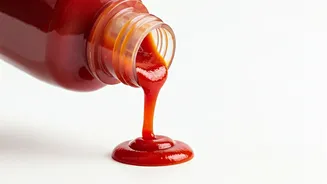
Ketchup, a kitchen staple, boasts a unique composition that affects its shelf life. Its high acidity, primarily from vinegar, acts as a natural preservative,
slowing down the growth of bacteria. This acidity is key to understanding whether refrigeration is necessary. Manufacturers often include this information on packaging, but general guidelines exist. Unopened ketchup can often survive for a long time at room temperature. Once opened, however, its exposure to air and potential contaminants changes the equation. The environment impacts the condiment's quality and safety. While the acidity helps, it's not a foolproof shield against all spoilage. Temperature fluctuations can also degrade the ketchup's quality. Therefore, understanding these factors helps in making an informed decision about storage.
Room Temperature Considerations
Leaving ketchup at room temperature does not immediately turn it dangerous, but it does influence its lifespan and taste. The ambient conditions play a role in how long it remains edible. Warm environments can speed up the deterioration process. The ketchup's color might darken, and its flavor could become less vibrant over time. The change is often slow, but it's noticeable. Bacteria may start multiplying more quickly when exposed to warmer conditions. This is the main reason why manufacturers provide storage guidelines. However, most commercial ketchups have enough preservatives that they remain safe for a reasonable period, even when kept at room temperature. Still, it is essential to consider the setting; a kitchen in a hot, humid climate will affect the ketchup differently compared to a consistently cooler environment. The longer it's kept at room temperature, the more it degrades.
Refrigeration Benefits
Refrigerating ketchup provides several advantages. Cold temperatures slow down enzymatic reactions and the growth of microorganisms that can degrade the quality of the condiment. Refrigeration significantly extends the shelf life, keeping the ketchup fresh for longer. The cold environment preserves the original color, taste, and consistency of the ketchup. The low temperatures inhibit changes like discoloration or changes in texture. Furthermore, refrigeration ensures the ketchup remains safe to consume. While the acidity of ketchup is already a barrier to bacterial growth, refrigeration adds an extra layer of protection, preventing potential spoilage. This is particularly important once the bottle is opened and exposed to the environment. The refrigerated ketchup maintains its flavor for a longer duration, ensuring the taste is as it should be, every time. Many people prefer cold ketchup anyway!
Making the Call
The decision to refrigerate ketchup hinges on personal preferences and consumption habits. If ketchup is used frequently and the bottle is consumed relatively quickly, keeping it at room temperature may be fine. However, if it's used infrequently, or if the climate is hot and humid, refrigeration is the better choice. Refrigeration is a good practice to ensure the quality and longevity of the condiment. To make a decision, think about how often the ketchup is used and the storage environment. If there's any doubt about its freshness, or if it has been stored for an extended period, the refrigerator is usually the best option. Ultimately, it’s a simple choice that balances convenience, taste, and food safety. Following the manufacturer's suggestions, where available, can offer more specific advice. Be mindful of any changes in the color, taste, or consistency and discard the ketchup if any of these changes are apparent.