




A Village That Eats Together
Imagine a place where the aroma of home cooking wafts from a single, central kitchen, destined for a lively communal dining hall. This isn't a scene from a heartwarming
film, but the daily reality in Chandanki, a small village in Gujarat. This unique tradition emerged as a thoughtful response to a growing issue: the isolation experienced by elderly residents as younger generations migrated to cities for work. With fewer people around and daily routines becoming less demanding, many seniors found themselves feeling profoundly lonely and disconnected. The village head, Poonambhai Patel, drawing inspiration from his time in New York City, proposed a simple yet impactful solution: a unified kitchen and dining space to serve as a hub for both nourishment and social interaction. This initiative aimed to proactively support the older population, ensuring they remained an integral and connected part of village life, rather than facing their twilight years in solitude.
Heartbeat of the Village
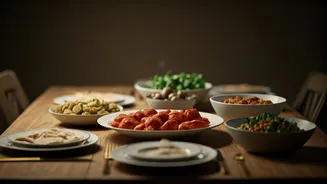
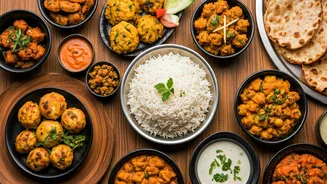
At the core of Chandanki's unique system is a singular, well-managed central kitchen. Staffed by hired cooks, this facility prepares traditional Gujarati fare daily – comforting dishes like khichdi, roti, sabzi, and chaas, with occasional festive specials. The meals are designed to be familiar and nourishing, reminiscent of home-cooked food. Residents participate by paying a modest monthly fee of approximately ₹2,000 per person, which covers two wholesome meals each day. This fee structure ensures the sustainability of the operation, with cooks receiving a fixed monthly salary of around ₹11,000. The community hall, where everyone gathers to dine, is more than just a place to eat; it's an air-conditioned, solar-powered space designed for comfort and connection. It has evolved into a vital social nexus, facilitating conversations among women about family matters, elders sharing historical anecdotes, and friends reminiscing. Crucially, it also provides a safe haven for individuals to express concerns about health, loneliness, or any other personal struggles, offering a stark contrast to the solitary eating habits prevalent in many modern, dispersed families.
Overcoming Initial Doubts
Introducing any significant change inevitably invites skepticism, and Chandanki's community kitchen concept was no exception. When the idea of a central cooking facility and shared dining was first presented, many villagers harbored reservations. Some worried about a perceived lack of personal touch, others lamented the potential loss of the traditional joy of home cooking, and a segment of the population simply resisted any deviation from established norms. However, through consistent effort and the evident benefits, villagers gradually began to embrace the concept. The elderly, in particular, found relief as the daily burden of cooking was lifted, freeing up their time for rest and social engagement. For everyone in the village, the dining hall transformed from merely a place to consume food into a cherished space that fostered a profound sense of belonging. While cooking might have relocated from individual homes, the essence of familial warmth and community spirit found a new home within the shared hall, where laughter, mutual concern, shared challenges, and small celebrations became integral parts of the daily experience.
Why Chandanki's Story Matters
Chandanki's initiative extends far beyond being a quaint village experiment; it serves as a potent illustration of the impact that prioritizing human connection can have. By establishing a shared culinary and dining space, the village effectively addressed the pervasive issue of loneliness and, in doing so, revitalized a sense of collective care. The model demonstrates that meals can be transformed from solitary experiences into opportunities for social bonding and meaningful interaction, weaving themselves into the very fabric of community life. The ₹2,000 monthly contribution is more than just a payment for food; it represents an investment in social connectivity. Similarly, the central kitchen signifies more than just operational efficiency; it embodies a commitment to dignity, enabling the elderly to age with unwavering support and freedom from solitude. This approach powerfully underscores the fundamental role of social relationships and community belonging in fostering happiness and well-being.