
The Brussels Sprouts Dilemma
Many people harbor a dislike for Brussels sprouts, often stemming from their perceived bitterness. This unpleasant taste is a common complaint, leaving
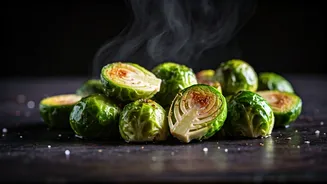
many wondering how to make them palatable. The key to delicious Brussels sprouts lies in understanding the science behind their bitterness and how to counteract it. While boiling or steaming can result in soggy, bland sprouts, roasting them correctly unlocks their true potential. Roasting concentrates the flavors, creating a nutty taste and a delightful, crispy texture. Overcooking is a major culprit, releasing sulfur compounds that contribute to the bitterness. Moreover, the inherent characteristics of the sprouts themselves play a crucial role. Knowing the source, the freshness, and the preparation techniques, one can easily overcome the challenges to get delicious Brussels sprouts.
Taming the Bitterness
The secret to transforming bitter sprouts lies in a combination of factors. First, consider the cooking method. High heat is essential, allowing the sprouts to caramelize and develop a depth of flavor. This caramelization process counteracts the bitterness, creating a sweeter profile. Secondly, the size of the sprouts matters. Smaller sprouts tend to cook more evenly and become tender-crisp quicker than larger ones. Cutting them in half ensures that each piece is exposed to the heat, enhancing caramelization. Additionally, avoid overcrowding the pan. Giving the sprouts enough space allows for proper browning and prevents steaming, which can exacerbate the bitterness. Finally, a touch of acidity, like a squeeze of lemon juice or a splash of balsamic vinegar, can further balance the flavors.
Roasting Technique Essentials
Mastering the roasting technique is key to success. Preheat your oven to a high temperature, around 400-425°F (200-220°C). This ensures that the sprouts begin to roast immediately upon entering the oven, promoting browning and crispiness. Before roasting, trim the sprouts, removing any tough outer leaves and trimming the stem end. Then, cut them in half or quarters, depending on their size. Toss the prepared sprouts with a generous amount of olive oil, salt, and pepper. Consider adding other seasonings such as garlic powder, onion powder, or a pinch of red pepper flakes for added flavor. Spread the seasoned sprouts in a single layer on a baking sheet, ensuring they have enough space. Roast them for approximately 20-30 minutes, or until they are tender and caramelized, flipping them halfway through. The exact cooking time may vary depending on your oven and the size of the sprouts. Keep a close eye on them during the final few minutes to avoid burning.
Flavor Enhancements Galore
Elevating your roasted Brussels sprouts is easy with creative flavor additions. While simple olive oil, salt, and pepper create a delicious foundation, experimenting with other ingredients can elevate the dish. Before roasting, consider adding a drizzle of balsamic vinegar for a sweet and tangy glaze. For added richness, toss the sprouts with a bit of butter or bacon fat before roasting. Once roasted, sprinkle them with toasted nuts like pecans or walnuts for added texture and flavor. To introduce a touch of heat, sprinkle them with red pepper flakes. For a savory boost, add a sprinkle of Parmesan cheese during the last few minutes of roasting. The possibilities are endless, so feel free to experiment with different combinations to find your perfect flavor profile.