






The Salad Renaissance
Across India, a culinary revolution is underway, repositioning salads from a mere accompaniment to a standalone, complete meal. As soaring temperatures
necessitate lighter yet nourishing options, diners are embracing salads that offer both sustenance and a refreshing respite. This seasonal dietary pivot, observed from bustling city cafes to home kitchens, is driven by a confluence of factors: an abundance of fresh produce, heightened awareness of nutritional needs, and the ever-present demand for convenient food solutions. The humble salad is no longer an afterthought but a thoughtfully curated dish designed to meet the demands of modern lifestyles during the warmer months, redefining what constitutes a fulfilling meal.
Nutrition and Seasonality Unite
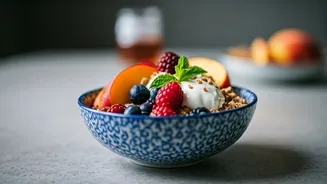
Experts highlight a significant departure from the traditional perception of salads. They are now intentionally crafted to encompass all essential macronutrients – proteins, healthy fats, and complex carbohydrates – ensuring a sense of fullness without feeling heavy. This evolution is closely tied to seasonal availability and functional benefits. Chefs are focusing on the harmonious blend of seasonal ingredients that not only cool the body but also boost hydration and amplify flavours. Summer produce like succulent mangoes, vibrant berries, refreshing watermelon, aromatic mint, and crisp cucumber are becoming key components, contributing to both the nutritional profile and the delightful sensory experience of these reinvented salads.
The Rise of Meal Bowls
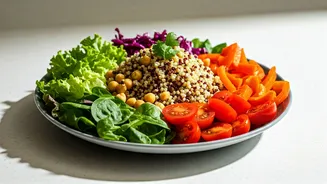
The most apparent manifestation of this salad transformation is the surging popularity of the ‘meal bowl’. These are not your average, uninspired side salads; they are layered, diverse, and deeply satisfying culinary creations. Think of a robust foundation built with grains such as millets, quinoa, or brown rice, providing complex carbohydrates and fiber. This is then elevated with a generous portion of protein, which can range from plant-based options like paneer, sprouts, or tofu to lean choices like grilled chicken or seafood. The ensemble is completed with an array of toppings offering delightful crunch and vibrant tastes, perhaps including roasted makhana, an assortment of seeds, or nuts, culminating in a harmonious, one-dish meal that offers both complete nourishment and comforting satiety.
Protein, Texture, and Balance
Protein is a cornerstone of this modern salad movement. There's a noticeable emphasis on plant-based protein sources like legumes and sprouts, alongside lean animal proteins such as fish. This focus ensures a comprehensive nutrient intake, keeping meals light and easy to digest, which is ideal for warmer weather. Equally crucial is the interplay of textures. The addition of crunchy elements, the juiciness of fruits, and creamy components like avocado or smooth yogurt-based dressings create a multi-faceted dining experience. This dynamic balance of diverse flavours and contrasting textures is precisely what elevates these salads to a meal-replacement status, making them genuinely filling and satisfying.
The Dressing Revolution
The humble dressing is arguably the most transformative element in this salad evolution. Gone are the days of heavy, processed dressings; the trend is firmly leaning towards fresh, homemade alternatives that enhance both flavour and health. Many are returning to traditional, cooling options like chilled yogurt-based dressings or vibrant, zesty lime and chili drizzles. These lighter accompaniments not only elevate the taste profile but also improve digestibility. This shift reflects a broader commitment to mindful eating, where every single component of the meal, from the choice of ingredients to the method of preparation, is deliberate and purposeful.
Convenience Meets Consciousness
Beyond the delicious taste and nutritional benefits, practicality is a significant driver behind this trend. In today's fast-paced world, salads offer a quick and easily assembled meal solution that doesn't compromise on health or flavour. The convenience of pre-prepped ingredients and the inherent versatility of salads make them perfectly suited for everyday consumption. This evolution signifies a fundamental shift in perception: salads are no longer viewed as restrictive diet food but as an exciting opportunity to nourish the body with an abundant array of colourful, diverse, and flavourful ingredients, embodying a more conscious approach to eating.