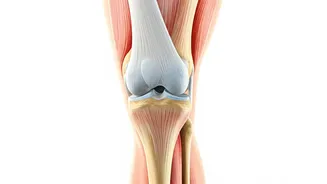

Understanding Knee Health
Knee health is crucial for mobility and quality of life, and this section will help you understand the importance of your knees. The knee joint, a complex
structure, is susceptible to wear and tear due to everyday activities and the aging process. The orthopedic doctor emphasizes that proactive measures are essential to preserving knee health. Various factors, including genetics, weight, activity level, and injuries, influence the health of your knees. Regular exercise, a balanced diet, and maintaining a healthy weight are the pillars of knee care. The doctor's advice underscores that early intervention and lifestyle modifications can significantly impact the long-term health of your knees. Understanding these fundamentals empowers you to make informed decisions about your knee health and implement preventive strategies.
Weight Management's Role
Maintaining a healthy weight is paramount for knee health and is one of the most effective ways to delay joint replacement. The orthopedic doctor highlights that excess weight puts undue stress on the knee joints, accelerating wear and tear. Even a modest weight reduction can dramatically reduce knee pain and improve function. The doctor suggests a combination of diet and exercise for effective weight management. Dietary recommendations include a focus on whole, unprocessed foods and portion control. Engaging in regular physical activity, such as walking, swimming, or cycling, is also crucial. These exercises not only help with weight loss but also strengthen the muscles around the knees, providing additional support. By addressing weight concerns proactively, individuals can significantly mitigate the risk of knee problems and potentially postpone the need for joint replacement. This section will guide you through effective weight management strategies to promote healthier knees.
Effective Exercise Strategies
The correct exercises are vital for knee health. The orthopedic doctor emphasizes that specific exercises can strengthen the muscles that support the knee joint, improving stability and reducing pain. Low-impact exercises, such as swimming and cycling, are generally recommended, as they minimize stress on the knees while providing effective workouts. The doctor also recommends incorporating exercises that target the quadriceps, hamstrings, and calf muscles. These muscle groups are crucial for providing support and stability to the knee. It's important to start slowly and gradually increase the intensity and duration of exercises to avoid injury. Consulting with a physical therapist can be highly beneficial in creating a tailored exercise program. They can guide individuals through proper techniques and monitor progress. Regular exercise, combined with proper form and guidance, is an effective way to protect your knees and keep them healthy.
Diet and Nutrition Tips
Proper nutrition plays a crucial role in maintaining joint health and reducing inflammation. The orthopedic doctor suggests a diet rich in anti-inflammatory foods. This includes fruits, vegetables, and foods rich in omega-3 fatty acids. Foods like fatty fish, flaxseed, and walnuts can help reduce inflammation and alleviate knee pain. Also, avoid processed foods, sugary drinks, and excessive saturated fats, as they can promote inflammation and worsen knee problems. Adequate hydration is also essential, as it helps to maintain joint lubrication. Supplementation may also be considered, with the doctor suggesting consulting with a healthcare professional before taking any supplements. The right diet, combined with exercise, creates a powerful combination for optimizing knee health, reducing the risk of joint problems, and improving overall well-being.
Addressing Pain and Symptoms
Knowing how to manage knee pain and symptoms is essential for preserving knee health. The orthopedic doctor suggests several strategies, including rest, ice, and compression. Applying ice packs to the affected area can help reduce swelling and pain, while compression bandages can provide support. Over-the-counter pain relievers, such as ibuprofen or naproxen, can also help manage pain, but it's important to use them as directed. The doctor advises seeking professional medical advice for persistent or severe pain. Physical therapy can be instrumental in reducing pain and improving function. A physical therapist can provide tailored exercises and techniques to alleviate pain and promote healing. For severe cases, injections or other medical interventions may be considered. Proper symptom management, combined with preventative measures, can make a significant difference in delaying the need for joint replacement and maintaining an active lifestyle.
Lifestyle Adjustments
Making changes in your daily routines can help protect your knees and reduce strain. The orthopedic doctor recommends several lifestyle adjustments, including avoiding activities that put excessive stress on the knees. These activities might include high-impact exercises or prolonged periods of standing or walking. Using supportive footwear can also make a significant difference. Proper footwear provides cushioning and support, reducing the impact on the knees. If you're involved in activities that place strain on your knees, using knee braces or supports can provide extra stability and protection. The doctor encourages a focus on maintaining good posture and body mechanics. Correct posture helps distribute weight evenly and minimizes stress on the joints. Small adjustments in your daily activities can contribute significantly to preserving knee health and increasing longevity.
When to Seek Help
Knowing when to seek medical help is vital for timely intervention and treatment. The orthopedic doctor advises that if you experience persistent knee pain, swelling, stiffness, or instability, it's essential to consult a healthcare professional. Early diagnosis and treatment can often prevent the condition from worsening. If you experience difficulty walking, climbing stairs, or performing everyday activities, a medical evaluation is required. The doctor may order diagnostic tests, such as X-rays or MRIs, to assess the severity of the problem. Based on the diagnosis, your doctor may recommend various treatments, including physical therapy, medication, or in severe cases, surgical interventions. Timely medical intervention, combined with preventative measures, can improve your outcome and help you maintain an active and healthy lifestyle.