







Punjabi Refugees' Legacy
The narrative begins with a look back at the historical context, specifically the wave of Punjabi refugees that moved to Delhi. Displaced from their homes,
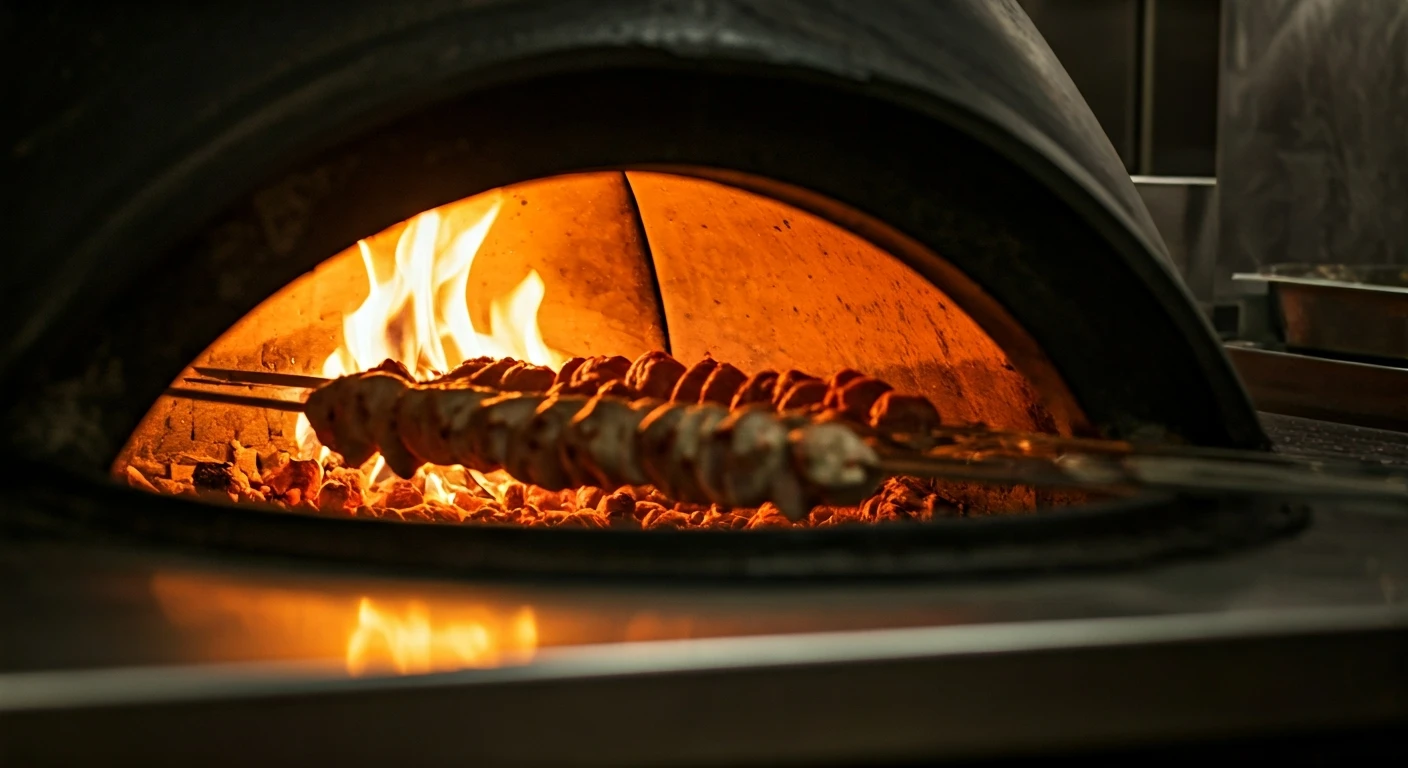
these individuals brought more than just their personal belongings; they also carried with them their unique culinary traditions. One of the key components of their cuisine was the tandoor, a cylindrical clay oven that became the cornerstone of their cooking style. This influx of Punjabi culture significantly shaped the city's culinary practices, with the tandoor eventually becoming synonymous with Delhi's food culture. The refugees began setting up restaurants and eateries, bringing with them their traditional recipes and cooking methods that quickly captivated the local population. Their efforts marked a turning point, introducing a cooking technique that would reshape the city's dining experience.
Tandoor's Cooking Techniques
The tandoor's unique cooking method played a pivotal role in its growing popularity. The oven's high heat, fueled by charcoal or wood, created a distinctive flavor profile. Meats, breads, and vegetables cooked in this oven developed a smoky taste and a tender texture, different from other cooking methods. The intense heat of the tandoor also allowed for rapid cooking, which was ideal in bustling eateries. The diverse dishes cooked in the tandoor, from the rich flavors of marinated meats to the soft, fluffy texture of naan bread, broadened the culinary options. The tandoor transformed simple ingredients into flavorful meals, attracting both local residents and visitors alike. The tandoor's ability to retain moisture and infuse food with a distinctive aroma proved a major factor in its adoption.
Cultural Significance Emerges
As the tandoor-cooked dishes gained acceptance, they became deeply rooted in Delhi's culture. The tandoor's use in preparing diverse food items fostered a sense of communal experience, with families and communities sharing meals. The tandoor transformed into a symbol of hospitality, with restaurants and homes utilizing the technique to serve guests. Over time, the popularity of the tandoor increased with the establishment of more restaurants, bringing various flavors to the community. Celebrations and festivals integrated tandoor-cooked food into their culinary traditions. In this manner, the tandoor's presence transcended mere cooking, evolving into a cultural symbol. The flavors and aromas coming from the tandoor ovens evoked a sense of belonging and nostalgia.
Tandoor's Lasting Influence
Today, the tandoor remains a prominent feature in Delhi's dining culture. Its enduring appeal can be seen in the numerous restaurants specializing in tandoori dishes, proving its enduring impact. The culinary heritage of the Punjabi refugees continues to thrive through tandoor, with each new restaurant embracing the cooking style. The tandoor's legacy is preserved in both the contemporary and traditional food markets. The adaptability of the tandoor in different menus, alongside continuous innovation and experimentation, proves its enduring appeal. The influence of the tandoor is reflected in the continuous evolution and popularity of various tandoori cuisines, and in the way it continues to shape Delhi's identity.