






Protein's Crucial Partner
While protein is fundamental for bodily functions and muscle development, it cannot operate in isolation for sustained peak health. Our bodies require
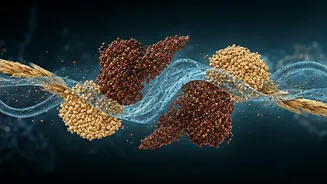
a synergistic relationship between protein and carbohydrates to truly thrive. Many commonly perceived protein sources, like dal, are actually complex carbohydrates that contain amino acids. For these to become 'complete' proteins, offering the full spectrum of essential amino acids, they must be combined with cereals. This highlights that even seemingly simple food choices have intricate nutritional profiles that impact meal planning for optimal health outcomes. Relying solely on one macronutrient neglects the body's complex energy and building block requirements, setting the stage for suboptimal performance and well-being.
Fueling Your Body
Without adequate carbohydrate intake, the body faces a significant fuel shortage. Glucose, derived from carbohydrates, is the primary energy source. When deprived of this readily available fuel, the body will eventually resort to breaking down fat reserves for energy. This metabolic shift can lead to the accumulation of ketones, a process that often triggers what's known as 'low-carb flu.' Symptoms associated with this transition can include debilitating fatigue, persistent headaches, irritability, and a significant decline in cognitive clarity, commonly referred to as brain fog. Therefore, maintaining a balanced intake of carbohydrates is paramount to ensure consistent energy levels and prevent these unpleasant and performance-hindering side effects.
Balanced Intake Benefits
Incorporating carbohydrates alongside protein and healthy fats is not merely about avoiding negative symptoms; it's a strategic move for enhanced satiety and metabolic stability. Protein inherently promotes a feeling of fullness, which can naturally lead to a reduction in overall calorie consumption. Furthermore, protein has a higher thermic effect, meaning your body expends more energy to digest it compared to fats or carbohydrates. This characteristic is often linked to the rapid weight loss observed in high-protein diets. However, pairing protein with carbohydrates and healthy fats is crucial for stabilizing blood sugar levels, preventing sharp spikes and crashes, and maintaining that feeling of fullness for extended periods, contributing to better appetite control.
Choosing the Right Carbs
The quality of carbohydrates consumed is just as vital as their presence in the diet. Minimally processed and whole-food carbohydrate sources are strongly recommended for their nutritional density and sustained energy release. Conversely, ultra-processed carbohydrates, which offer minimal nutritional value, should be consumed sparingly. The objective isn't to eliminate carbohydrates entirely but rather to embrace a balanced dietary approach. This involves integrating complex carbohydrates, ensuring sufficient intake of protein and healthy fats, and generously incorporating fruits and vegetables to provide a wide array of essential vitamins, minerals, and fiber.
Optimizing Protein Absorption
While the digestive system can readily handle substantial amino acid loads, the real effectiveness of protein lies in its strategic utilization. Research indicates that approximately 0.3–0.4 grams of protein per kilogram of body weight per meal, ideally spread across 3–4 meals to reach a daily intake of around 1.6 g/kg, maximizes muscle protein synthesis. Consuming larger protein doses beyond this threshold doesn't necessarily go to waste; instead, they can extend the anabolic response or be utilized for crucial repair processes and energy generation. The key is to distribute protein intake evenly throughout the day, focusing on high-quality sources and ensuring each meal provides around 2.5–3 grams of leucine, a vital amino acid that initiates muscle building.
Synergy for Muscle Growth
To truly leverage your protein intake for muscle growth and overall well-being, it needs to be integrated with other lifestyle factors. Alongside optimal protein distribution, engaging in regular resistance exercise is paramount. Proper recovery periods are equally important for muscle repair and adaptation. Furthermore, structuring your eating pattern to involve spaced meals rather than constant snacking can help 're-sensitize' your system, improving its response to nutrients. This holistic approach, combining balanced nutrition, targeted exercise, and mindful eating habits, ensures that your body can effectively utilize protein for its intended purposes, leading to better health and performance outcomes.