

The Pumpkin Seed Advantage
Summer's relentless sun and heat can wreak havoc on your scalp, leaving hair feeling brittle and prone to breakage. Fortunately, a humble ingredient found
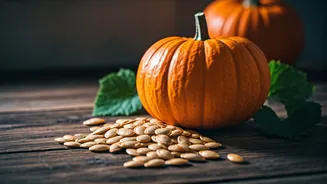
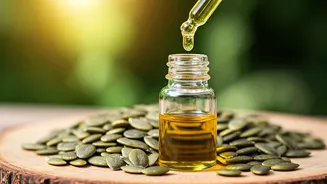
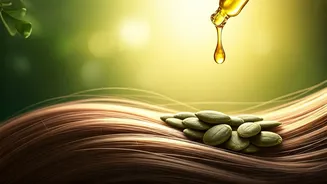
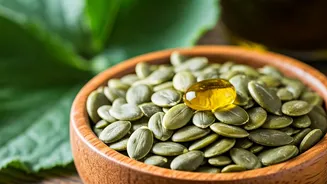
in many kitchens holds the key to restorative hair care: pumpkin seeds. These small powerhouses are brimming with essential nutrients, including zinc, which plays a crucial role in maintaining a healthy scalp environment and can significantly reduce hair shedding. Furthermore, they are rich in beneficial fatty acids that penetrate hair follicles, promoting shine and smoothness. Intriguingly, pumpkin seeds also contain compounds that may inhibit DHT, a hormone often implicated in hair thinning. This makes pumpkin seed oil a valuable ally for those experiencing weakened roots or noticeable patches of hair loss, offering a natural way to rebalance and invigorate the scalp, especially during the challenging summer months.
Realistic Hair Growth Expectations
It's vital to approach any natural hair remedy with grounded expectations. While pumpkin seed oil is incredibly beneficial, it's not an overnight miracle cure. Claims of instant transformations are simply not realistic. Instead, consistent application of pumpkin seed oil is designed to gradually improve the overall health of your scalp, leading to a noticeable reduction in hair fall over time. It supports the conditions for healthier hair growth, but this is a process that requires patience and dedication. Think of it as cultivating a garden; consistent care yields beautiful results, albeit not immediately. This natural approach focuses on building a strong foundation for hair health, rather than offering a quick fix.
Simple Oil Infusion Method
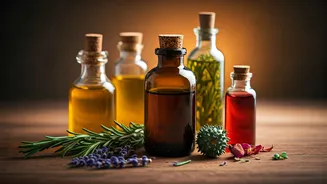
Creating potent pumpkin seed oil at home doesn't require complex equipment. A highly effective and straightforward method involves infusing the oil, which is far more accessible than traditional pressing. You will need approximately two tablespoons of raw, unsalted pumpkin seeds and one cup of a carrier oil like coconut or olive oil. Begin by lightly crushing the pumpkin seeds to release their beneficial compounds. Gently warm your chosen carrier oil over low heat. Coconut oil is an excellent choice for summer as it offers a light, cooling sensation. Add the crushed seeds to the warmed oil and allow them to simmer gently for about five to ten minutes, ensuring the heat remains low to prevent scorching. Once this brief simmering period is complete, remove the mixture from the heat and let it cool down entirely. Finally, strain the infused oil into a clean, airtight bottle for storage. This uncomplicated process yields a nourishing oil ready for use.
No-Heat Infusion Alternative
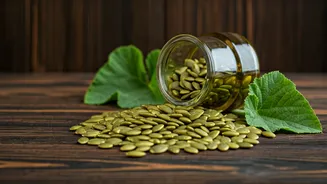
For those who prefer to avoid heat, especially during warmer months, a patient, no-heat infusion method offers a viable alternative. This technique relies on time rather than temperature to extract the beneficial properties from the pumpkin seeds. Simply take your lightly crushed raw pumpkin seeds and combine them in a glass jar with your preferred carrier oil, such as coconut or almond oil. Seal the jar and store it in a cool, dark place. It is recommended to give the mixture a gentle shake daily. Allow the seeds to infuse in the oil for approximately seven days. After this period, strain the oil to remove the seeds. While this method requires more waiting time, it is exceptionally simple and effective, producing a potent hair oil without any cooking involved.
Proper Application Technique
The effectiveness of your homemade pumpkin seed oil hinges not just on its creation but also on its correct application. To use it, warm a small quantity of the oil slightly – it should be comfortably warm, not hot. Apply the oil directly to your scalp, paying particular attention to areas where you've noticed thinning. Gentle massage is a critical step; use your fingertips to work the oil into your scalp using slow, circular motions for approximately five to ten minutes. This massage stimulates blood circulation, enhancing nutrient delivery to the hair follicles. For maximum benefit, leave the oil on for at least one to two hours, or ideally, overnight. Afterwards, wash your hair thoroughly with a mild shampoo. Implementing this routine two to three times per week is generally sufficient to yield positive results.
Observing Gradual Improvements
With consistent and patient use, you can expect to notice subtle yet significant improvements in your hair and scalp health over time. Within the first few weeks, you might experience a reduction in scalp dryness and irritation, with your hair beginning to feel softer and more manageable. As you progress to around the three to four-week mark, a noticeable decrease in hair shedding may occur, and your scalp will likely feel generally healthier. After a month or two of regular application, it's possible to observe the emergence of fine, new hairs in areas that were previously thinning, provided the hair follicles are still active. Furthermore, the overall texture and quality of your hair should begin to improve, contributing to a fuller and healthier appearance, though these changes develop gradually rather than dramatically.
Summer-Specific Benefits
Summer presents unique challenges for scalp health, including increased sweat production leading to clogged pores, weakened hair roots from environmental exposure, and dryness from frequent washing. Pumpkin seed oil is exceptionally well-suited to counteract these summer-induced issues. Its nourishing properties help to rebalance the scalp without feeling heavy or greasy, especially when applied in moderation. When using coconut oil as the base for your infusion, the inherent cooling properties of coconut oil add an extra layer of comfort, helping to soothe an overheated scalp. This makes pumpkin seed oil a perfect, lightweight solution for maintaining scalp health and promoting hair vitality during the hottest months of the year.
Common Application Pitfalls
Many individuals seeking natural hair solutions make common errors that hinder their progress. One of the most frequent mistakes is expecting rapid, overnight results, leading to discouragement and premature abandonment of the treatment. Inconsistency in application is another major hurdle; natural remedies require regular use to be effective. Overusing the oil, applying far too much than is necessary, can weigh hair down and make the scalp feel greasy. Furthermore, neglecting the importance of scalp massage during application limits the oil's penetration and the stimulation of hair follicles. Finally, it's crucial to understand that topical treatments are only one part of the equation; ignoring overall diet can significantly impede hair health improvements.
Dietary Support for Hair
The efficacy of any topical hair treatment, including pumpkin seed oil, is profoundly influenced by your internal nutritional status. A diet lacking essential nutrients will invariably impact hair health, regardless of the quality of products used. To complement your hair care routine, focus on incorporating a variety of nutrient-rich foods. This includes a good intake of nuts and seeds, which provide healthy fats and minerals, alongside plenty of green leafy vegetables for vitamins and antioxidants. Adequate protein intake from sources like eggs, lentils, and paneer is crucial for hair structure. Fresh fruits contribute essential vitamins and hydration. Consistently consuming pumpkin seeds themselves, not just their oil, can also offer direct nutritional benefits. Ultimately, a holistic approach combining topical care with a balanced diet yields the best results for sustained hair health.