



Ancient Roots Uncovered
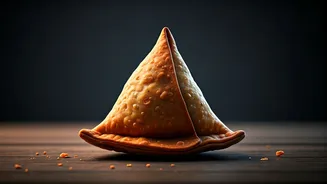
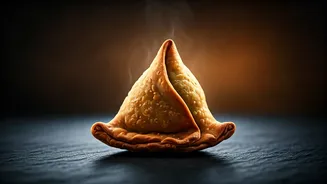
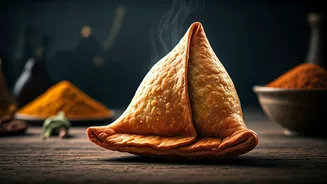
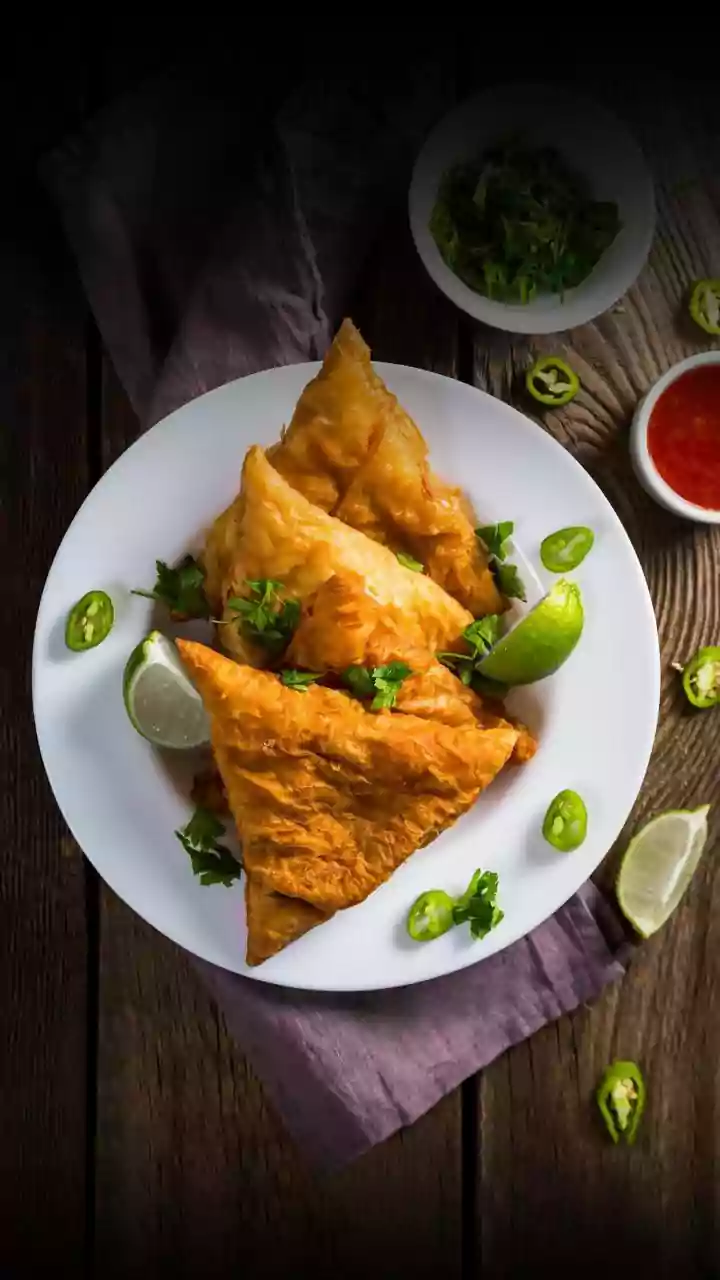
The samosa, a universally adored Indian snack known for its crisp exterior and savory filling, boasts a surprisingly non-Indian genesis. Its true origins
lie nestled in the ancient lands of Central Asia and the Middle East, where a precursor known as 'sambusak' or 'sanbosag' was a popular delicacy. These early iterations were typically smaller pastries, often filled with meat, and were particularly valued by nomadic peoples and travelers. Their portability and resilience made them an ideal food for journeys, offering sustenance that could withstand the rigors of long-distance travel across vast terrains and through bustling trade routes that connected diverse cultures and economies.
Arrival on Indian Shores
The delightful pastry embarked on its journey to the Indian subcontinent between the 13th and 14th centuries, a testament to the extensive networks of trade and cultural exchange prevalent during that era. Merchants and explorers traveling from Persia and Central Asia introduced this delectable snack to the region. Evidence of its presence can be found in historical records from the Delhi Sultanate period, which describe stuffed and fried pastries that were served in the opulent settings of royal courts. This marked the initial introduction of the samosa, albeit in a more rudimentary form, to the Indian culinary landscape, setting the stage for its future evolution.
A Royal Court Delicacy
During medieval times, the samosa-like creations were a symbol of prestige and were frequently featured on the menus of royal banquets. Historical documents from this epoch meticulously detail these stuffed pastries, noting that they were often filled with a rich medley of minced meat, finely chopped nuts, and an assortment of aromatic spices. These were not everyday fare but rather a luxury item savored by the nobility. The intricate preparation and the cost of ingredients positioned the samosa as a food reserved for the elite, enjoyed within the confines of palace kitchens before its appeal began to transcend these exclusive boundaries and reach a wider populace.
Indian Culinary Transformation
Upon its arrival and assimilation into Indian cuisine, the samosa underwent a remarkable transformation, expertly reshaped by local cooks and their intimate knowledge of indigenous ingredients and spices. The most significant alteration came with the introduction of the potato filling, a game-changer that dramatically influenced the snack's modern form. Potatoes were brought to India by Portuguese traders, and their adoption led to the creation of the now-iconic vegetarian samosa, which quickly became a crowd favorite across diverse regions. This adaptation reflected India's rich vegetarian culinary traditions and its ability to incorporate new elements into its existing food culture.
Street Food Stardom Emerges
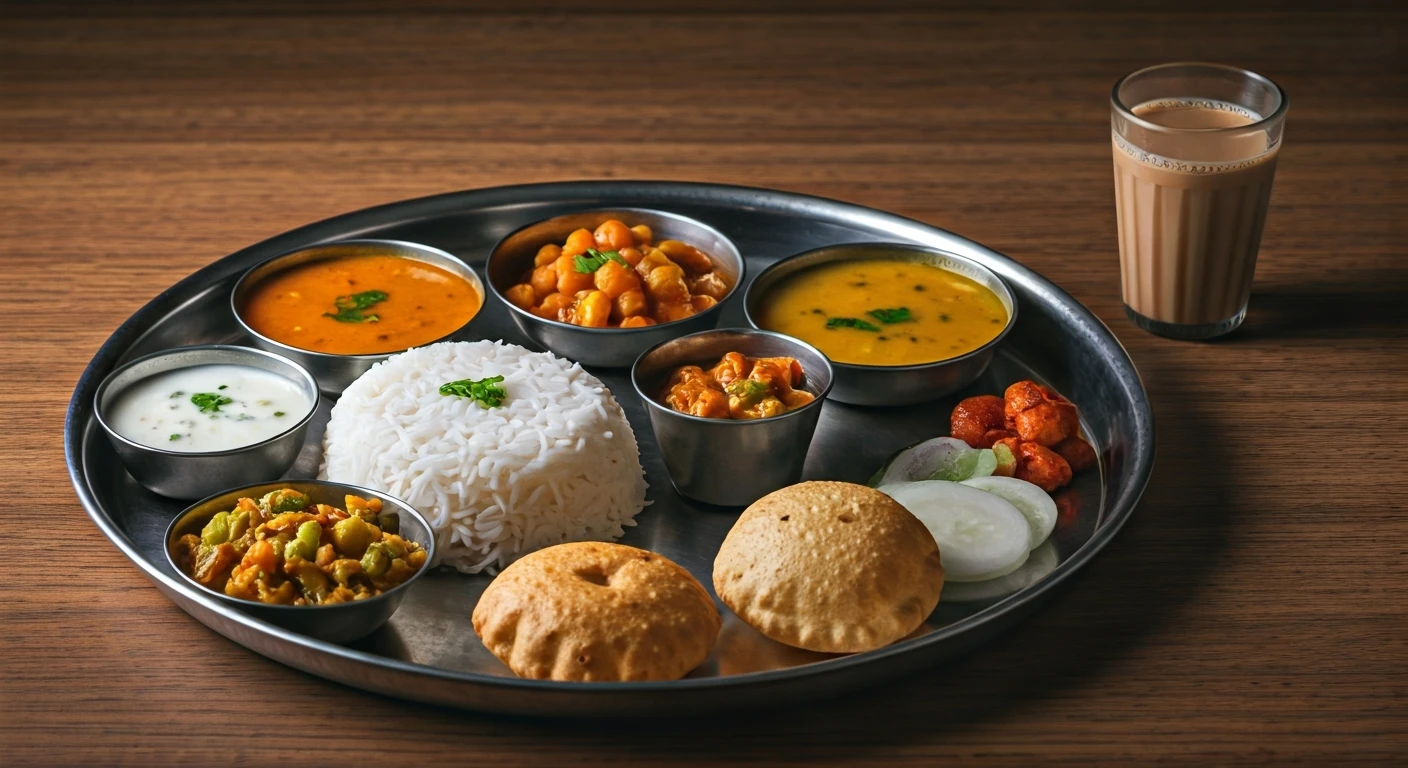
By the time the 19th and early 20th centuries arrived, the samosa had firmly cemented its status as an indispensable part of India's vibrant street food scene. Its affordability, substantial nature, and ease of preparation in large quantities made it a perfect offering for bustling markets and roadside vendors. The samosa evolved into a quintessential accompaniment to the daily ritual of tea time, commonly served alongside a variety of tangy chutneys and steaming cups of chai. This period marked its democratization, making it accessible and beloved by people from all walks of life, from urban centers to rural villages.
Global Icon Today
In the contemporary global culinary landscape, the samosa enjoys widespread popularity, celebrated in countless variations that reflect diverse cultural palates. From the classic Punjabi aloo samosa to innovative fillings like keema, cheese, and fusion concoctions, its adaptability continues to impress. Available in restaurants, home kitchens, and street stalls across the globe, the samosa has transcended its origins to become a universally recognized comfort food and a symbol of delicious culinary fusion, a testament to its enduring appeal and remarkable evolutionary journey.