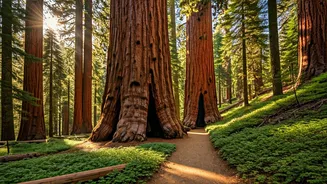







Discover Ancient Giants
For those yearning for the awe-inspiring presence of California's giant sequoias without the throngs of Yosemite, Calaveras Big Trees State Park presents
an idyllic retreat. Nestled on the western slopes of the Sierra Nevada, this expansive 6,000-acre park, established in 1931, offers a more tranquil and accessible experience. It safeguards one of the earliest documented groves of these colossal trees. Accessing this natural wonder is refreshingly simple; there's no need for timed entry reservations, and the day-use fee is a modest $10 per vehicle (or $12 on holidays). While the park welcomes visitors year-round, conditions vary seasonally, with winter storms sometimes restricting access and spring snowmelt potentially leading to muddy trails. For overnight stays, the park provides camping facilities. During the peak summer months, reserving a campsite in advance is highly recommended as they tend to fill up quickly. However, outside the peak season, you might be fortunate enough to secure a first-come, first-served spot. It's important to note that while dogs are permitted in designated areas like campgrounds and along paved roads, they are not allowed on most hiking trails or within the groves of giant sequoias.
Trail Adventures Await
The primary allure of Calaveras Big Trees State Park lies in its network of trails, offering intimate encounters with the magnificent giant sequoias. The North Grove Trail is a particularly accessible option, presenting an easy, largely flat loop that meanders through a dense cluster of trees, some of which are over a thousand years old. Informative signage along this path shares fascinating background details, including the story of the "Discovery Tree," one of the first sequoias identified by early European settlers in the mid-1800s. Nearby, the majestic "Grider Tree" stands as another impressive spectacle, boasting a trunk approximately 18 feet in diameter. For a more secluded and immersive experience, the South Grove Trail beckons. This roughly five-mile round-trip hike is less frequented, offering a palpable sense of remoteness and tranquility. It is within this quieter grove that you'll find the park's largest known tree, the "Tunnel Tree," which towers to about 250 feet and measures over 25 feet across its base—a truly humbling testament to the species' immense scale. Beyond the sequoia groves, various other trails venture into picturesque river canyons and through verdant forests, catering to different fitness levels. You can opt for challenging descents leading to the cool waters and rocky vistas of the Stanislaus River and Beaver Creek, or choose shorter paths for a leisurely scenic stroll. These waterways also feature small beaches and shaded spots perfect for relaxation and picnicking. The rivers are also popular for fishing, with rainbow trout being a common catch, though a permit is required.
Seasonal Splendor
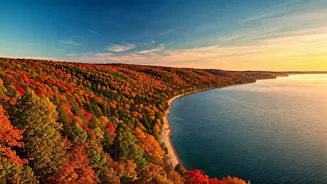
The period from late spring through fall represents an optimal time for visiting Calaveras Big Trees State Park, offering more agreeable weather and greater accessibility to park amenities. During the summer months, the long, dry days are ideal for enjoying the park's waterways, although it can also be the busiest season, especially on weekends. As autumn arrives, the atmosphere becomes cooler and more subdued. While the giant sequoias remain evergreen year-round, the surrounding deciduous trees, such as maples, dogwoods, and black oaks, put on a vibrant display of autumnal colors, particularly in October, creating a stunning visual spectacle. Winter transforms the park into a snow-covered wonderland, offering a serene, postcard-perfect experience. However, some areas may experience closures due to snow, and visitor numbers are significantly lower during this time.
Journey to the Park
Reaching Calaveras Big Trees State Park is a straightforward undertaking, typically a three-hour drive from San Francisco and approximately two hours from Sacramento. The park is conveniently situated just off Highway 4 in the picturesque Sierra Foothills. Given the limited public transportation options in the region, arriving by car is the most practical method. If you are arriving by air, the closest major airports are located in San Francisco, Sacramento, and Oakland. Renting a vehicle from any of these airport locations will provide you with the flexibility needed for your visit to the park and surrounding areas.