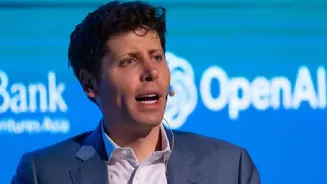








The AI Talent Frenzy
The artificial intelligence sector is experiencing an unprecedented surge in demand for skilled professionals, leading to a fierce competition among leading companies.
Organizations are vying to attract and retain the brightest minds in fields like machine learning, natural language processing, and deep learning. This intense race for talent is driven by the rapid advancements and commercial potential of AI technologies across various industries. Companies recognize that their ability to innovate and lead in this space hinges on having access to top-tier AI engineers, researchers, and scientists. The economic implications are substantial, as the value of AI expertise continues to skyrocket, making it a critical factor for any organization aiming to stay ahead in the technological landscape. This scramble for talent not only highlights the transformative power of AI but also underscores the strategic importance of human capital in its development and deployment.
OpenAI's Strategic Move
In response to the escalating competition, OpenAI, a prominent leader in AI research and development, has initiated a strategy to retain its key personnel by offering substantial financial incentives. Reports indicate that the company is providing 'special' million-dollar bonuses to its employees. This move is widely interpreted as a direct effort to counter the allure of rival tech giants and other burgeoning AI startups that are actively recruiting from OpenAI's ranks. The high value placed on these bonuses reflects the critical role each employee plays in OpenAI's ongoing projects and future ambitions. By making such a significant investment in their existing workforce, OpenAI aims to foster loyalty, prevent brain drain, and ensure the continuity of its groundbreaking research and product development. This proactive approach is crucial for maintaining their competitive edge in a rapidly evolving field.
Impact on the AI Landscape
The implementation of substantial bonus packages by companies like OpenAI has far-reaching consequences for the broader AI ecosystem. It signals a heightened awareness of the value of specialized AI skills and intensifies the pressure on other organizations to reassess their compensation and retention strategies. This trend could lead to a general upward revision of salary expectations and benefits for AI professionals globally. Furthermore, it might encourage more individuals to pursue careers in AI, knowing the lucrative opportunities available. However, it also raises questions about equitable distribution of these rewards and the potential for a widening gap between highly sought-after specialists and other tech workers. Ultimately, this talent war, fueled by significant financial incentives, is reshaping the dynamics of the AI industry, driving innovation while also creating new challenges for talent management and equitable growth.