


Island Arrival Magic
The journey to Ponza begins with a hydrofoil ride from Formia, a crossing that can be rough but is undeniably worth the effort. Upon docking, the island
immediately captivates with its picturesque harbor. Imagine a village painted in vibrant, confetti-like hues, glowing under the setting sun, with numerous fishing boats bobbing gently in the water. The air is filled with the scent of the sea and the lively sounds emanating from the waterfront eateries. This welcoming sight offers a stark contrast to the bustling mainland of Rome, just 70 miles away across the Tyrrhenian Sea, creating an immediate sense of peaceful detachment. For seasoned travelers familiar with Italy's diverse landscapes, Ponza emerges as a tranquil sanctuary, a departure from the crowded tourist hotspots.
Volcanic Roots & Local Charm
Ponza's allure is deeply rooted in its volcanic origins, being the remnants of a submerged volcano. This geographical uniqueness contributes to its wild, windswept character, a trait highly sought after by those looking to connect with nature and local life. Unlike more famous islands like Capri or Ischia, Ponza has managed to retain an authentic feel, remaining largely undiscovered by international tourism. For centuries, it has been a cherished retreat for Romans seeking an escape. The decision to stay in Le Forna, a northern settlement, was driven by its tranquil, residential atmosphere, its closeness to secluded coves, and the promise of uninterrupted sunsets over the rugged island of Palmarola. This choice positions visitors just a short 15-minute journey from the island's main hub, ensuring both serenity and accessibility.
Le Forna's Cave Dwellings
The journey from the colorful harbor to Le Forna takes visitors along a winding road carved into tuff cliffs, with striking views of the silver-blue sea. Le Forna itself is a charming cluster of pastel-hued houses surrounding a church, where the melodic chimes of the bell tower mingle with the calls of seagulls. Instead of standard street numbers, homes here are often identified by their color, location, or decorative ceramic tiles bearing family names. Many residences are traditional 'casa grotta'—homes hewn directly from white volcanic rock, a testament to the island's geological makeup. Reaching these dwellings involves navigating a labyrinth of steps and terraces, adorned with vibrant bougainvillea, resilient cacti, billowing laundry, and the ubiquitous, slinky island cats, creating a unique and intimate living experience.
Coastal Wonders & Culinary Delights
From Le Forna, a hike up a rocky promontory to the Belvedere della Madonnina reveals breathtaking panoramas of steep hills and Cala Feola. This cove, Ponza's second port and its sole sandy beach, becomes a lively hub of activity by afternoon, with boats packed tightly into its bay. Nestled on the cliffside, overlooking the sea, is a charming restaurant decorated in a casual Mediterranean beach shack style. Here, diners can indulge in freshly caught octopus, linguine with scampi, and a unique local specialty: parmigiana made from prickly pear cactus paddles, an abundant island fruit. These dishes highlight Ponza's commitment to using fresh, local ingredients, offering a true taste of the island's bounty.
Exploring Coves by Land
Accessing Ponza's numerous coves is an adventure in itself. Many are reachable on foot from Le Forna, or via the island's unique bus service, which operates more like a van that circulates the island. During peak times, the bus can be quite crowded, but the experience is often enlivened by the sociable nature of the locals. Waiting for the bus on a hot day, one might hear the playful lament, "Smagrisci solo essendo sveglio"—you melt off your weight just by being awake. The journey is punctuated by laughter and helpfulness, as passengers engage in a game of passing the destination names back and forth. The bus stops offer gateways to stunning natural spots like Piscine Naturali, where eroded volcanic rock forms crystalline natural pools perfect for swimming and sunbathing, sheltered from the sea's ebb and flow.
Secluded Beaches & Volcanic Formations
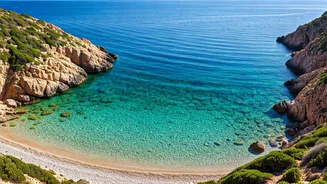
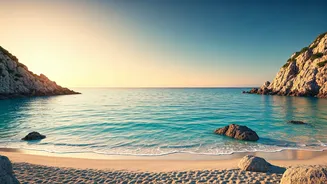
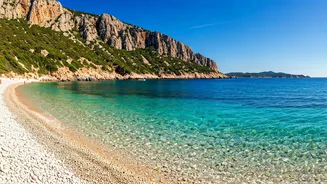
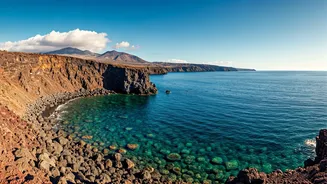
Beyond Piscine Naturali, other coves offer distinct charms. Cala dell’Acqua, named after the island's historical water source, is particularly stunning at golden hour. Though equipped with rentable umbrellas and loungers on its flat rocks, the presence of large fallen cliff sections serves as a reminder of nature's power. A rope aids swimmers in exiting the sea. Cala Cavone, a rocky outcrop battered by waves, features self-service loungers and snacks stored in a cliff alcove. The path down is scenic but requires caution due to the possibility of encountering black snakes. Cala Gaetano, while awe-inspiring, demands extra care due to slippery, barrier-free steps leading to a secluded cove dotted with sea urchins, making water shoes a necessity for exploration.
The Heartbeat of Boating
Ponza's true magic often unfolds from the water. The island's boating culture is central to its identity. Renting a 'gozzo' boat, with or without a skipper and even without a license, opens up a world of exploration. Lunch at sea is a cherished ritual: boats gather, music plays, and 'caffè amaro in mare' (bitter coffee at sea) is delivered to swimmers. The visual spectacle of grottos and faraglioni (sea stacks) provides a dramatic backdrop. Adding to the enchantment is a dedicated gelato boat that navigates between coves, offering a delightful treat to those at sea. This vibrant nautical life underscores the island's intimate connection with the surrounding turquoise waters.
Changing Shores & Ancient Legends
While many of Ponza's shores are breathtaking, some, like Chiaia di Luna and Cala Forna, are now inaccessible from land due to falling boulders, showcasing the dynamic nature of the island's landscape. Cala Felci, on the northern edge, characterized by ferns and yellow sulfur rocks, is best appreciated from the sea. Ponza's history is woven with captivating legends. Cala di Lucia Rosa is said to be named after a tragic figure, while the Arco Naturale sea stack is believed to bless couples who pass through it together with everlasting love. For history buffs, the Grotte di Pilato, ancient Roman tunnels and fish ponds used for breeding moray eels, offer a glimpse into the past. Divers can explore a WWII shipwreck near Punta Papa, adding another layer of historical intrigue to this diverse island.
Island Rhythms & Local Flavors
The interior of Ponza is rugged and mountainous, crisscrossed by mule tracks and dotted with drought-resistant flora. Small markets offer local produce and beach essentials, though the island's reliance on mainland imports means freshness can be a matter of timing and the sea's temperament. This dependency highlights Ponza's unique, somewhat unpredictable, and not entirely sustainable existence. Mornings in the harbor are a lively affair, with fishermen tending to their boats and catches. Inland, quaint lanes lead to cafes like Bar Tripoli, a popular spot for coffee and pastries, often requiring patrons to squeeze in shoulder-to-shoulder at the counter. Later, Bar Tripoli becomes the go-to for aperitivo, where locals and visitors mingle over spritzes and the local Fieno di Ponza white wine, all while observing the harbor's activity.
Neighboring Palmarola's Beauty
A visit to Ponza is incomplete without exploring its wilder neighbor, Palmarola. Reached by a short boat trip, this island is truly primitive, lacking roads and electricity. Its sole beach is informally known as Cala O’Francese, named after the island's only restaurant, serving fish caught fresh from the sea. The experience of swimming off the boat amidst Palmarola's unique rock formations, sculpted by lava flows into shapes resembling Gothic cathedrals, is unforgettable. It's in these moments, collecting sea glass and pebbles like treasures, that one truly understands the profound allure of these small, captivating islands, where even the dream of captaining a gelato boat can take root.