






India's Park Prominence
While states like Uttar Pradesh and Uttarakhand are often associated with national parks, a different state surprisingly leads in the number of these vital
protected areas. This state boasts a significant collection of national parks, underscoring its crucial role in India's conservation efforts. These parks serve as crucial habitats for a myriad of flora and fauna, many of which are endemic or endangered. Their establishment is a testament to India's commitment to preserving its natural heritage for future generations. The density and diversity of these parks contribute immensely to the ecological balance of the country, providing essential ecosystem services and supporting local economies through ecotourism. Understanding the distribution and significance of these parks is key to appreciating India's environmental landscape.
Biodiversity Sanctuaries Unveiled
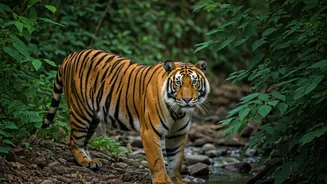
India's commitment to safeguarding its natural wealth is evident in its extensive network of national parks. These areas are meticulously managed to preserve ecosystems in their pristine state, offering a glimpse into the country's rich biodiversity. From the majestic Himalayan ranges to the lush Western Ghats and the arid Rann of Kutch, each national park represents a unique ecological niche. They are crucial for the survival of iconic species like tigers, elephants, rhinos, and a vast array of birdlife and plant species. The designation of these areas as national parks ensures stringent protection measures against encroachment and exploitation, allowing nature to thrive undisturbed. Their ecological importance extends beyond mere species preservation, as they play a vital role in climate regulation and watershed protection.
Ecological Significance Explored
The national parks across India are more than just conservation areas; they are vital lungs for the planet and gene banks for biodiversity. They act as crucial corridors for wildlife movement, facilitating genetic exchange between populations and preventing isolation. These protected zones are instrumental in maintaining the delicate balance of ecosystems, influencing rainfall patterns, and preventing soil erosion. Furthermore, they serve as invaluable living laboratories for scientific research, allowing ecologists and biologists to study wildlife behavior, ecological processes, and the impact of environmental changes. The economic benefits derived from these parks, primarily through sustainable ecotourism, also provide livelihoods for local communities, fostering a symbiotic relationship between people and nature.