
Initial Dietary Adjustments
When individuals stop consuming ghee and oil, it triggers immediate adjustments in their diet. Initially, the body might signal a shift due to the reduction
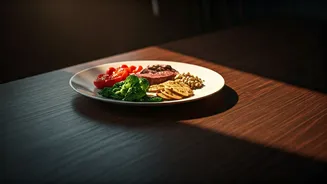
in fat intake. This can manifest as an increased appetite, particularly for foods that provide similar textures or sensations. People may find themselves craving or seeking alternative sources of fat, which could influence the types and amounts of food they consume. There may be an initial inclination to compensate for the lost calories and the feeling of fullness that fats usually provide. This period of adaptation is essential for the body to transition smoothly and for the individual to develop a new understanding of their dietary needs. Understanding and adjusting to these changes will be critical for a balanced diet.
Metabolic and Digestive Shifts
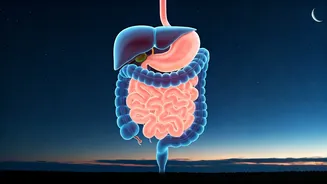
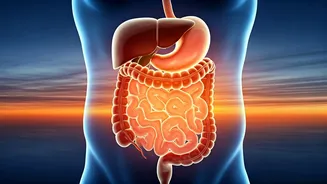
The removal of ghee and oil can influence how the body digests and metabolizes food. Fats play a crucial role in nutrient absorption, so their absence can affect the uptake of fat-soluble vitamins like A, D, E, and K. The metabolic processes also adjust to using different energy sources. The body may begin to rely more on carbohydrates or protein for energy, which can lead to alterations in blood sugar levels and insulin sensitivity. Digestive functions could also change as fats can affect stomach emptying and bile production. Adjusting to these metabolic changes is an important aspect of adapting to a diet free of ghee and oil. Proper planning and understanding of the nutritional implications are crucial.
Potential Cardiovascular Changes
Removing ghee and oil may have noticeable impacts on cardiovascular health. If the replaced foods contain healthier fats or are low in saturated fats, it could lead to an improvement in cholesterol levels. This is because ghee and some oils can contribute to higher levels of LDL (bad) cholesterol. Reducing these fats might also support better blood vessel function and lower the risk of heart disease. However, the exact effects depend greatly on the overall dietary choices. If the diet relies more on processed foods, it could negate some of the positive changes. It is essential to ensure a well-balanced diet that includes plenty of fiber, fruits, vegetables, and lean proteins to support heart health and benefit from the changes.
Impact on Skin and Hair
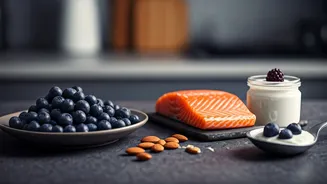
Changes in skin and hair health are often associated with dietary adjustments. Since ghee and oil provide essential fatty acids, their removal can affect skin hydration and hair texture. A lack of these fats might lead to drier skin and hair. This could be visible through increased flakiness or a dull appearance. However, the body is adaptable, and a diet rich in other healthy fats from sources like avocados, nuts, and seeds could offset these effects. Drinking an adequate amount of water is also very important for maintaining hydration. Maintaining a balanced intake of nutrients is key. These nutrients will support skin and hair health and counteract potential deficiencies caused by the initial dietary changes.
Weight Management Implications
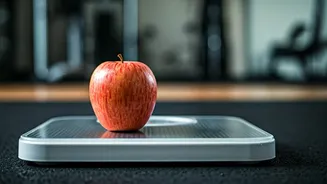
Adjusting the intake of ghee and oil can impact weight management, especially if this change is part of an overall diet plan. Fats have a high-calorie density, so limiting them can reduce total calorie intake, which may lead to weight loss. The body then uses stored fat reserves for energy, causing a reduction in body weight. This is more effective when combined with regular physical activity and a balanced nutritional profile. It is important to remember that not all fats are created equal. Substituting ghee and oil with healthier fats is a viable option to help support overall health. Moreover, sustainable dietary changes often produce better long-term results than drastic ones.
Nutritional Considerations and Planning
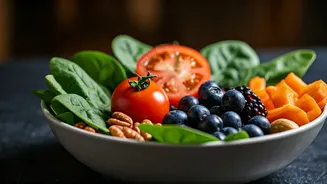
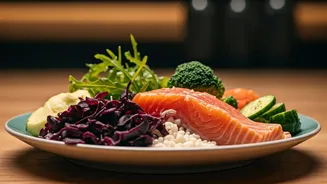
When removing ghee and oil, it is important to carefully plan your diet to ensure adequate intake of essential nutrients. Because fat helps in the absorption of fat-soluble vitamins, it is crucial to find alternative ways to ensure you get these vital nutrients. This means focusing on foods rich in these vitamins and also consuming foods that support absorption. This could involve incorporating a variety of colorful vegetables and fruits, nuts, seeds, and lean protein sources. Making sure that your diet is well-rounded, and potentially consulting a nutritionist or a healthcare professional can help you navigate this transition smoothly and make sure that you are meeting your body’s nutritional needs.