







HbA1c: A Deeper Look
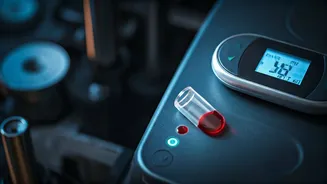
The HbA1c test is a cornerstone in diabetes management, offering a snapshot of average blood sugar levels over approximately three months. While widely
trusted, a common misconception suggests that exceptionally high blood glucose can render this test unreliable. Neurologist Dr. Sudhir Kumar recently shed light on this, clarifying that while theoretically possible for extreme hyperglycemia to influence HbA1c readings by forming a transient, reversible glucose-hemoglobin intermediate, this effect is typically minimal in real-world clinical practice. Modern laboratory techniques are sophisticated enough to largely negate this interference, meaning that spuriously high or unmeasurable results due to sheer glucose levels are exceptionally rare. Therefore, focusing solely on extreme hyperglycemia as a cause of distorted HbA1c values is often misleading in routine diagnostics and patient monitoring.
Red Blood Cell Factors Dominate
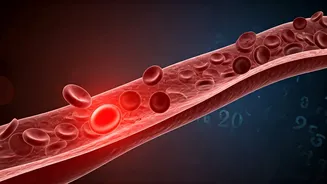
In contrast to the theoretical impact of extreme hyperglycemia, conditions affecting red blood cells (RBCs) are far more significant and common culprits behind inaccurate HbA1c measurements. Dr. Kumar highlights several such factors: iron deficiency anemia can lead to a falsely elevated HbA1c because red blood cells have a longer lifespan, allowing more time for glucose to bind to hemoglobin. Conversely, conditions causing hemolysis, where red blood cells are destroyed rapidly, result in a falsely lowered HbA1c as the cells have less time to accumulate sugar. Furthermore, chronic kidney disease and the presence of hemoglobin variants can also distort HbA1c results. These RBC-related issues are not just theoretical possibilities; they are frequent clinical realities that demand careful consideration when interpreting a patient's HbA1c readings, often outweighing any potential, albeit rare, interference from hyperglycemia itself.
Expert Insights on Reliability
Consultant Dietitian and Diabetes Educator, Kanikka Malhotra, reinforces that the HbA1c test is indeed a valuable tool for tracking diabetes management over time, acting like a comprehensive report rather than a daily update. However, she cautions against viewing it as an infallible absolute. Malhotra elaborates on how prevalent conditions in India, such as iron deficiency anemia, particularly among women, can artificially inflate HbA1c levels. Conversely, disorders that accelerate red blood cell destruction, like sickle cell disease or certain inherited hemoglobinopathies, can yield deceptively low readings. She also points to kidney disease, recent blood transfusions, and vitamin B12 deficiency as potential disruptors. This underscores the critical importance of physicians interpreting HbA1c results within the broader context of a patient's overall health profile, rather than in isolation, to ensure accurate clinical decisions.
RBC's Influence Explained
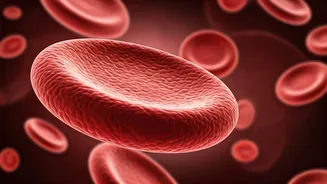
The disproportionate effect of red blood cell characteristics on HbA1c results stems from the fundamental way the test works. It doesn't directly measure circulating glucose; instead, it quantifies the percentage of hemoglobin that has glucose attached to it, a process reflecting average blood sugar over the approximately 90-to-120-day lifespan of red blood cells. Malhotra explains that any alteration to the lifespan or number of these cells inherently shifts the HbA1c reading, irrespective of actual blood glucose control. For instance, in iron deficiency, longer-lived RBCs accumulate more glucose, inflating the reading. In hemolytic conditions, shorter RBC lifespans mean less glucose binding, leading to a falsely low result. She emphasizes that the test is designed to accommodate a wide range of glucose concentrations, making the red blood cell's state, not the sugar level itself, the more variable and impactful factor in interpretation.
Contextualizing HbA1c Readings
Dr. Kumar advises patients to view their HbA1c results with context, especially if they have known conditions like anemia or kidney issues, as the test may not tell the complete story. Malhotra provides clear scenarios where additional testing is essential for a comprehensive understanding. If a patient's reported symptoms or home glucose monitoring readings starkly contrast with their HbA1c results—for example, high daily readings with a normal HbA1c—it warrants further investigation, likely pointing to an underlying red blood cell disorder. Similarly, individuals diagnosed with anemia, chronic kidney disease, liver disease, or inherited hemoglobin disorders should not rely solely on HbA1c. In these situations, supplementary tests like fasting and post-meal glucose measurements, or continuous glucose monitoring, become crucial for a more accurate assessment. Malhotra concludes by stressing the importance of open dialogue with one's doctor about symptoms, lifestyle, and observed trends, as numerical values alone are insufficient for complete clinical insight.