






Prioritizing Mom's Plate
Mothers often dedicate themselves to their families, sometimes neglecting their own health. The constant demands of professional and household responsibilities,
coupled with stress, can lead to fatigue, weakened immunity, and poor eating habits. This Mother's Day, the focus should shift to providing mothers with the essential nourishment their bodies need. Celebrity dietician Dt Simrat Kathuria emphasizes that proper nutrition is key to maintaining energy levels, regulating hormonal systems, building a robust immune system, and achieving optimal health. While nutrition can't eliminate stress, it significantly enhances the body's ability to cope with it, ensuring mothers can better manage their demanding lives.
Power of Leafy Greens
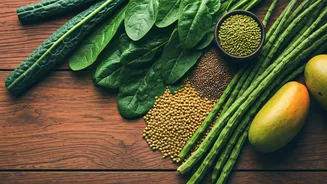
Traditional Indian leafy greens like spinach, fenugreek (methi), bathua, mustard greens (sarson), and kale are nutritional powerhouses, far surpassing many imported 'superfoods.' These greens are rich in vital nutrients such as iron, calcium, folate, fibre, and a host of beneficial antioxidants. These elements are crucial for supporting bone strength, bolstering immunity, and combating fatigue and weakness, which are common concerns for women, especially those experiencing iron deficiencies or hormonal shifts. Dt Simrat Kathuria highlights that these nutrients are particularly important for women struggling with low energy and bone health issues. Incorporating these greens into daily meals – whether in dals, soups, parathas, smoothies, or sabzis – is an effortless way to boost nutrient intake without drastic dietary changes. The Indian Council of Medical Research (ICMR) consistently endorses green leafy vegetables as a cornerstone of daily nutrition due to their effectiveness in preventing micronutrient deficiencies.
Nuts and Seeds: Tiny Powerhouses
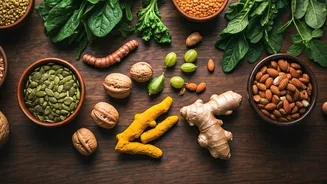
Grandmothers often championed the practice of soaking almonds, and there's a solid nutritional reason behind it. Nuts and seeds offer a readily accessible source of consistent nutrition for busy individuals, requiring minimal preparation. Varieties such as almonds, walnuts, flaxseeds, chia seeds, and pumpkin seeds are packed with healthy fats, protein, magnesium, fibre, and antioxidants. These components are instrumental in supporting cardiovascular health, enhancing cognitive function, promoting hormonal equilibrium, and sustaining energy levels throughout the day – benefits that are particularly significant for mothers managing multiple responsibilities. Dt Kathuria explains that this blend of nutrients helps reduce inflammation in the body. A small, mixed handful of these nuts between meals can act as a powerful buffer against energy slumps, thereby preventing overconsumption of less healthy foods later on. Research also indicates a strong connection between regular nut consumption and improved heart health.
Seasonal Fruits for Vitality
Mothers frequently prioritize fruits for their children, often leaving little for themselves. However, seasonal fruits are not a luxury but an everyday necessity for well-being. Fruits like papaya, oranges, berries, pomegranate, guava, watermelon, mangoes, and amla are brimming with vitamins, antioxidants, natural sugars, and essential hydration. These elements aid the body in recovering from the daily stresses of life. Unlike highly processed snacks, fruits provide both natural sweetness and fibre, contributing to a feeling of fullness and supporting healthy digestion. Dt Simrat Kathuria notes that fresh, seasonal fruits enhance the immune system, promote healthier skin, and combat oxidative damage from daily activities. Furthermore, seasonal eating often evokes a sense of comfort and nostalgia, making healthy food choices more enjoyable and sustainable. The National Health Mission recommends consistent intake of fruits and vegetables to lower the risk of various chronic health conditions.
Millets, Grains, Hydration
The resurgence of millets in Indian kitchens is a positive trend, offering sustained energy release compared to refined carbohydrates that cause rapid energy spikes and subsequent crashes. Grains such as ragi, bajra, jowar, oats, and brown rice are rich in fibre, essential minerals, and provide energy that is released gradually, helping mothers avoid the exhaustion cycle often linked to hectic schedules. Dt Simrat Kathuria points out that opting for millets and whole grains over refined options leads to better digestion and consistently stable energy throughout the day. Equally crucial is adequate hydration. The expert adds that a combination of coconut water, herbal teas, and plain water significantly aids digestion, sustains energy levels, and improves skin health. Many women tend to ignore thirst signals due to constant activity, but even mild dehydration can negatively impact concentration, mood, digestion, and overall energy. Prioritizing adequate water intake is a simple yet profound act of self-care.
Gut Health Matters
Digestive discomforts like bloating, acidity, and constipation are often normalized by women, but their impact extends far beyond the gut. Gut health profoundly influences immunity, mood, skin vitality, metabolism, and even sleep quality. Stress and inconsistent eating patterns can disrupt the delicate balance of the gut microbiome, making probiotic-rich foods essential. Dt Simrat Kathuria advises that consuming foods like curd (yogurt), yogurt, and buttermilk actively supports digestion and helps maintain a healthy gut microbiome. Simple habits, such as including a bowl of homemade curd with lunch or enjoying a glass of buttermilk (chaas) in summer, contribute significantly to fostering beneficial bacteria within the gut. Fermented foods are generally easier to digest than highly processed snacks and packaged beverages. Probiotics, when incorporated regularly into a balanced diet, are known to support digestive and immune functions.