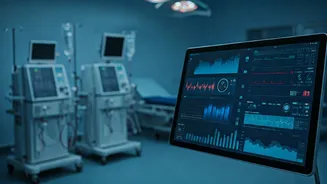

Smart Monitoring Initiative
Karnataka's public healthcare system has taken a significant step forward by implementing an AI-powered smart monitoring system across seven government-run
dialysis facilities. This initiative, launched under a public-private partnership (PPP) model, aims to bring a new level of clinical oversight and care quality to patients undergoing dialysis. The system integrates sophisticated monitoring and surveillance technologies to bolster patient safety, ensure consistent clinical supervision, and standardize the delivery of care. The introduction of this AI platform signifies a proactive approach by the state to leverage technological advancements for the betterment of essential healthcare services, ensuring that even publicly funded units can offer a high standard of treatment comparable to, or even exceeding, those found in the private sector.
Real-Time Patient Insights
A cornerstone of this new AI system is its capability for real-time tracking of vital dialysis parameters. This includes continuous monitoring of critical indicators such as blood pressure fluctuations, the precise volume of fluid being removed from the patient's body, and their electrolyte balance. By providing healthcare teams with immediate access to this data, the system empowers them to closely observe patients throughout their treatment sessions. This immediate visibility allows for prompt identification of any deviations or anomalies, enabling swift and effective responses to potential complications. The platform's comprehensive oversight extends to monitoring 28 key indicators, encompassing adherence to established dialysis protocols, the quality of clinical care provided, patient safety measures, the availability of beds, the attentiveness of staff, preparedness for emergencies, effective infection control practices, hygiene standards, security compliance, and the overall efficiency of daily operations.
Digital Governance Boost
The AI monitoring system is set to redefine the governance of dialysis units by introducing a digital oversight layer that moves beyond traditional, intermittent audits. Instead, it facilitates continuous, AI-driven surveillance, ensuring that standards are consistently met. This automated approach supports the tracking of Key Performance Indicators (KPIs) and enables data-driven decision-making for both clinical and operational aspects. By providing objective, quantifiable data, the system enhances transparency and promotes consistency in the delivery of patient care. The platform currently operates with a reported accuracy rate between 85% and 95%, with ongoing efforts dedicated to further refining its performance and augmenting its predictive capabilities for even greater effectiveness in managing dialysis services.