
What is B12?
Vitamin B12, scientifically known as cobalamin, is an essential nutrient that the human body cannot produce on its own, so it must be acquired through
diet or supplements. This vitamin is integral for the healthy functioning of the nervous system and the creation of DNA and red blood cells. Because it facilitates these functions, Vitamin B12 is crucial for maintaining the body's overall well-being. It is a water-soluble vitamin and plays a crucial part in the metabolic processes within the body. Vitamin B12’s complex chemical structure and biological activities make it a unique and crucial nutrient for human health. Moreover, it is critical for brain function and neurological health, and deficiency can result in serious health issues. Vitamin B12 deficiency can lead to various health problems, which is why it is essential to have an adequate intake of this vitamin.
B12's Core Roles
Vitamin B12 plays several vital roles in the human body. One of its primary functions is supporting the nervous system, helping to maintain the health of nerve cells. This vitamin is also essential for producing DNA, the genetic material in all cells. Furthermore, B12 is vital for producing red blood cells, which carry oxygen throughout the body. Adequate levels of B12 ensure these processes run smoothly, supporting energy levels, cognitive function, and overall health. A deficiency in B12 can thus impair these crucial bodily functions, possibly leading to fatigue, cognitive issues, and anemia. Therefore, regular intake of Vitamin B12 is crucial to uphold optimum physiological processes within the body. Essentially, Vitamin B12 serves as a cornerstone in maintaining optimal health.
Foods with B12
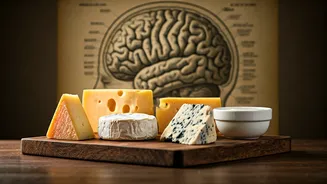
Vitamin B12 is predominantly found in animal products, making it less accessible for vegetarians and vegans. Excellent dietary sources include meat, poultry, fish, eggs, and dairy products. Some foods, like fortified cereals and nutritional yeast, are enriched with B12 for those following plant-based diets. Meat, especially organ meats such as liver and kidney, is exceptionally rich in B12. Seafood, like clams, salmon, and trout, also provide significant amounts. Dairy products like milk, yogurt, and cheese are good sources for those who consume them. Therefore, dietary planning is important to maintain sufficient levels of B12. Vegans and vegetarians often need supplements or fortified foods to meet their B12 needs. Including a variety of these foods can help ensure adequate B12 intake.
Deficiency Explained
Vitamin B12 deficiency can arise from various factors, including inadequate dietary intake, malabsorption issues, and certain medical conditions. Common symptoms include fatigue, weakness, and neurological issues such as numbness and tingling in the extremities. Cognitive difficulties, like memory problems and confusion, can also occur. Anemia, specifically megaloblastic anemia, is a frequent consequence of B12 deficiency. Other symptoms include digestive problems and mood swings. Diagnosing B12 deficiency typically involves a blood test to measure B12 levels. Treatment often involves B12 injections or oral supplements. Addressing the underlying cause of the deficiency is also crucial for effective management. Early detection and treatment are important to prevent permanent neurological damage. Regular monitoring and appropriate supplementation can effectively manage B12 deficiency.
B12 Myths Debunked
Several misconceptions surround Vitamin B12. One common myth is that it is easily obtained from a varied diet, which is partially true, however it is not true for everyone. Another misconception is that B12 supplements are only for those with deficiencies. It is important to note that Vitamin B12 is not biryani, as one robotic GI surgeon pointed out. People often overestimate their B12 intake, neglecting the role of absorption and individual needs. Another myth suggests that taking excess B12 has no adverse effects, but extremely high doses, though rare, can have side effects. It’s also often believed that only older adults and vegans are at risk, but B12 deficiency can affect anyone. Correcting these myths through education leads to better health decisions. Knowing the truth will clarify how to support your overall wellness.