






Embrace Winter Activity
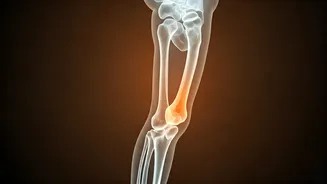
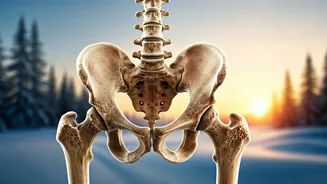
Winter's chill shouldn't mean inactivity. It is crucial to stay active to avoid bone-related health problems. The provided guide by an orthopaedic surgeon,
offers nine safe exercises perfect for maintaining bone health during the winter. This emphasizes that these routines are specifically designed to provide essential movement and strengthen bones, helping people avoid the negative impact of reduced physical activity during the colder months. Keeping bones healthy with this guide can help in keeping the overall health in check.
Warm-up Essentials
Before commencing any exercise routine, it is extremely important to prepare your body with a proper warm-up. This pre-exercise preparation, as recommended by the orthopaedic surgeon, consists of light cardio such as jogging on the spot for about five minutes. This also included dynamic stretching exercises like arm circles and leg swings that further boost blood flow and flex the muscles. It is important to emphasize the importance of warming up to minimize the chance of injury and improve the effectiveness of the exercise by preparing the muscles and joints for the activities ahead.
Walking: Simple Yet Powerful
Walking is a universally accessible activity, and is an excellent way to maintain bone density and cardiovascular health. Even short walks, like 10-15 minutes daily, are beneficial. The orthopaedic surgeon recommends a comfortable pace to start, gradually increasing the intensity and duration as fitness improves. Emphasize the simplicity and accessibility of walking, ensuring everyone can integrate it into their daily life. Furthermore, you can also add walking on various surfaces to engage different muscle groups and keep your routine engaging. You can also vary your walking pace to add another challenge.
Strength Training Basics
Strength training is integral for maintaining bone density. Incorporate exercises like squats, lunges, and push-ups. When performing squats, keep your back straight and lower your body as if sitting in a chair, emphasizing proper form to prevent injury. Lunges can be done by taking a step forward and lowering your body until both knees are bent at a 90-degree angle. Push-ups, done against a wall or on the floor, engage multiple muscle groups, contributing to overall strength. These exercises should be done with slow, controlled movements, starting with lighter weights or body weight only, and gradually increasing the resistance. This ensures a safe and effective approach to strength training, leading to better results.
Balance Enhancements
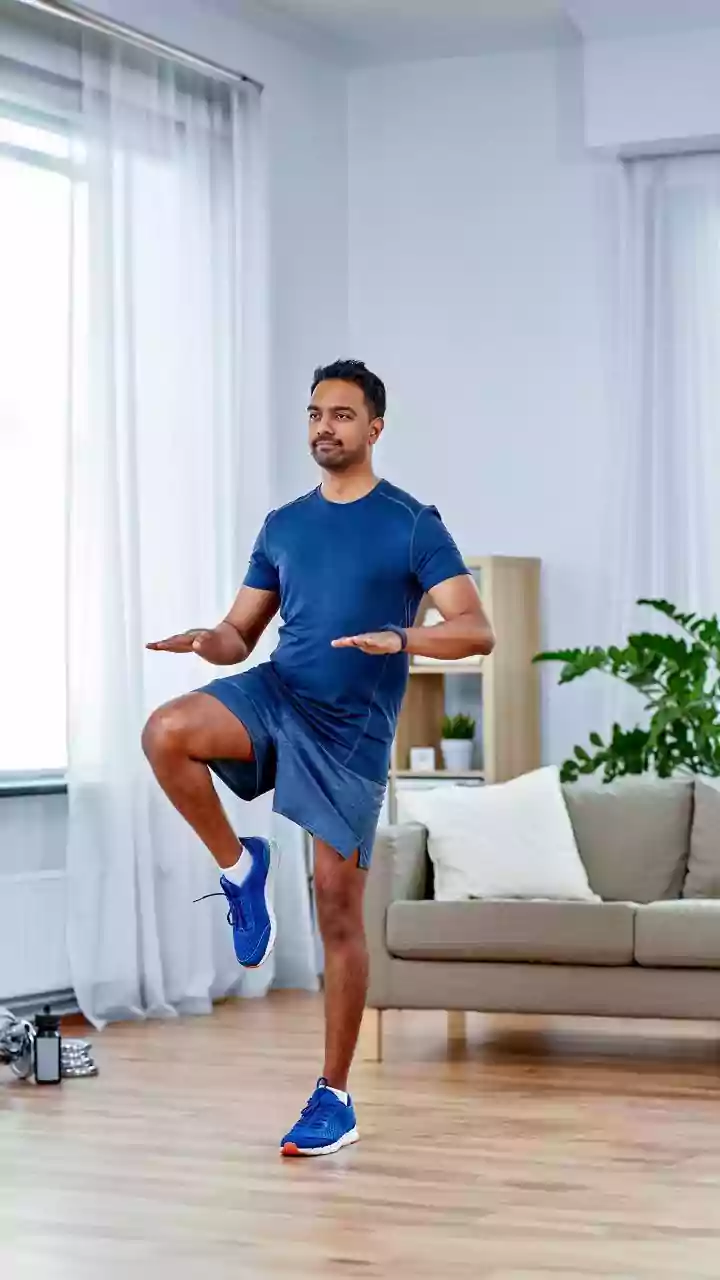
Balance exercises are crucial, particularly as people age, to prevent falls and fractures. Simple balance practices include standing on one leg and holding the position for as long as possible. You can also try heel-to-toe walking, where you place the heel of one foot directly in front of the toes of the other, focusing on maintaining a straight line. The orthopaedic surgeon recommends that you can start by doing this near a wall or chair for support, as needed. Emphasizing the significance of balance exercises helps people understand how they contribute to a reduced risk of falls and related injuries, thereby increasing their overall safety and well-being.
Flexibility and Stretching
Flexibility and stretching are vital components of a bone-healthy exercise routine. Regularly stretching helps enhance flexibility, which, in turn, boosts blood flow and decreases the risk of injuries. Stretching should be incorporated to include various stretches such as hamstring stretches, calf stretches, and shoulder stretches, holding each stretch for about 30 seconds. The orthopaedic surgeon suggests focusing on slow, controlled movements to prevent injury. The integration of stretching will enable muscles to be more flexible, thus keeping bones strong and improving overall physical performance.
Low-Impact Cardio Options
Low-impact cardio exercises, such as swimming or cycling, are gentle on joints and effective for cardiovascular health. Swimming provides a full-body workout with minimal stress on bones, making it ideal for those with joint problems. Cycling, whether outdoors or on a stationary bike, can be tailored to various fitness levels by adjusting the resistance and intensity. The orthopaedic surgeon suggests these are excellent ways to increase heart rate without putting excessive strain on the skeletal system. Such exercises are particularly beneficial for those looking to stay active during winter, as they can often be done indoors.
Nutritional Considerations
Alongside exercise, proper nutrition plays a critical role in maintaining bone health. Consuming a diet rich in calcium and vitamin D is essential for bone strength. Calcium can be obtained from dairy products, leafy greens, and fortified foods. Vitamin D can be obtained from sunlight and food sources such as fatty fish and fortified cereals. The orthopaedic surgeon stresses the significance of regular blood tests to assess vitamin D levels and recommends supplementation if needed. Supplementing with vitamin D and calcium will contribute to optimal bone health, helping them prevent conditions like osteoporosis and improve the efficacy of exercise.
Consult a Professional
It is always very important to consult with a healthcare professional before beginning any new exercise regimen, especially if you have pre-existing health conditions or concerns. A doctor or physical therapist can assess your individual needs and help create a safe and effective workout plan that is tailored to your specific requirements. The orthopaedic surgeon recommends seeking personalized advice to optimize the benefits of exercise while minimizing the risk of injury. Consulting with a healthcare professional ensures that your exercise routine aligns with your health needs and helps you maintain bone health during winter, safely and effectively.