




A Garden Tool Transformed
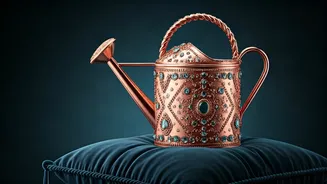
Luxury fashion often pushes boundaries, and the latest offering from a renowned French house is no exception. They've taken an ordinary garden watering
can and elevated it into a high-fashion accessory, complete with a staggering price tag of Rs 4.3 lakh. This unconventional piece, instantly recognizable by its classic watering can silhouette, has captured widespread attention. It features the brand's iconic monogram canvas enveloping its entirety, from the distinctive spout to the robust top handle. For added versatility, a detachable leather strap allows for shoulder or cross-body wear, blending artisanal craftsmanship with an undeniably playful concept that sparks conversation and curiosity among fashion aficionados.
Pharrell's Vision of Growth
This striking reimagining is a key component of the brand's Men’s Spring/Summer collection, curated under the creative direction of Pharrell Williams. The overarching theme for this season's offerings is 'nurturing growth,' a concept subtly embodied by transforming a tool used for cultivating life into a wearable art piece. Louis Vuitton’s official description highlights the bag as a 'statement piece that blends playful design with everyday functionality.' It assures potential buyers that the main compartment is adequately sized for daily essentials like a wallet, phone, and keys. The design encourages varied styling, from a sophisticated top-handle carry to a more relaxed cross-body option with the adjustable strap, making it adaptable to different fashion preferences.
Expert Takes on Novelty
Fashion commentator Rinkoo Tulsian, with over fifteen years of industry experience, suggests that the allure of such unique luxury items often stems from the sheer attention they generate rather than intricate craftsmanship. Tulsian posits that the appeal lies in its 'attention-seeking idea,' catering to a modern desire for the unconventional and the instantly attention-grabbing. This perspective suggests that brands are adept at understanding contemporary consumer psychology, particularly the drive for exclusivity and making bold statements. For some, acquiring such a distinctive item is simply about possessing something different, a purchase driven by the desire for novelty if financial means allow, irrespective of deep creative merit or traditional aesthetic value.
Staying Relevant
According to Tulsian, avant-garde accessories like the watering can bag serve as a strategic move by luxury labels to maintain their presence in the public consciousness and consistently command the spotlight. She observes that these brands employ extensive teams dedicated to conceptualizing such ideas, especially under visionary directors like Pharrell Williams, who are tasked with fostering out-of-the-box thinking. However, Tulsian expresses a personal philosophy that true fashion should possess qualities of sustainability and timelessness, suggesting that items lacking enduring appeal may not align with her definition of authentic fashion. This raises questions about the long-term value and impact of highly trend-driven, novelty luxury goods within the broader fashion landscape.
Gen Z's Fashion Spectrum
When considering the popularity of such a bag and its implications for Gen Z and millennial fashion choices, Tulsian argues against viewing these generations as a single, homogenous group. She identifies two distinct segments within Gen Z: one cohort is deeply invested in sustainable and ethically produced fashion, valuing added design integrity, while another segment purchases simply for the sake of acquisition, embracing trends impulsively. This creates a societal dichotomy in purchasing habits, with one extreme prioritizing thoughtful value and the other embracing novelty for its own sake. Consequently, Tulsian suggests that products like the watering can bag might be perceived as temporary, attention-grabbing gimmicks rather than items destined for enduring popularity or significant cultural impact within these diverse consumer demographics.