
Litti Chokha's Rise
Originally a robust staple for farmers and travellers in rural Bihar and Eastern Uttar Pradesh, Litti Chokha exemplifies resourcefulness. Wheat dough,
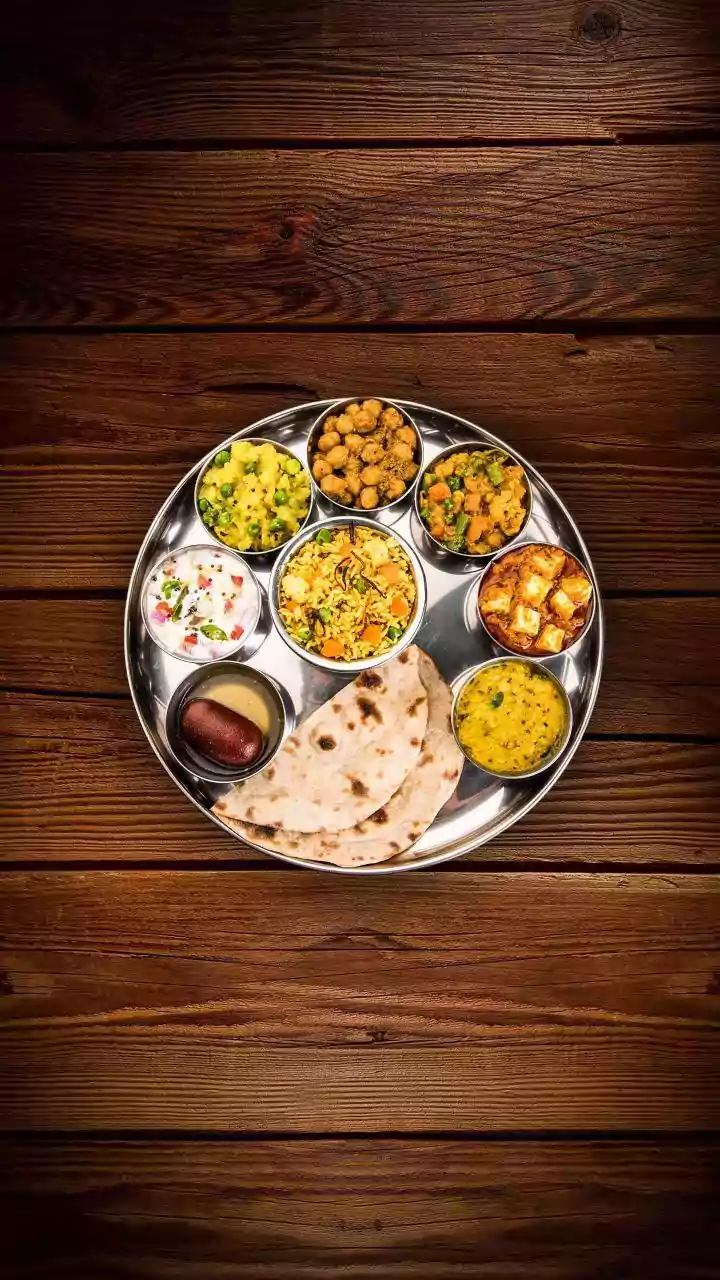
filled with spiced sattu, was traditionally roasted over open fires, paired with mashed vegetables to create a hearty, portable meal. This practical dish, requiring minimal equipment and easily prepared during arduous journeys or fieldwork, thrived on simple, locally sourced ingredients and the natural smokiness imparted by wood or coal fires, a testament to cooking dictated by necessity rather than refinement. Today, this rustic fare has ascended, celebrated through food tourism and regional pride, with urban eateries offering sophisticated versions adorned with ghee and artfully presented accompaniments, transforming a survival meal into a celebrated regional delicacy.
Dal Makhani's Transformation
What is now a symbol of rich indulgence, Dal Makhani, began as a humble Punjabi farmhouse creation. This dish, featuring whole black lentils and kidney beans, was traditionally slow-cooked overnight on wood fires, providing a substantial, protein-packed meal for farmers after demanding days. The extended cooking time was driven by practicality, allowing lentils to soften while families rested, infusing the dish with a subtle smokiness from the traditional 'chulhas'—a flavour profile achieved through patience, not elaborate ingredients. While butter and cream were added later, popularized by Delhi restaurants aiming for an urban palate, this once-simple dish is now a signature offering in upscale North Indian establishments, lauded for its slow preparation and smoky essence, transitioning from a rustic staple to a luxurious comfort food.
Khichdi's Gourmet Rebirth
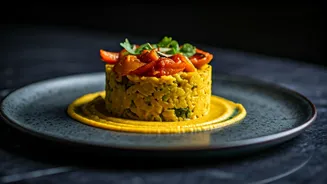
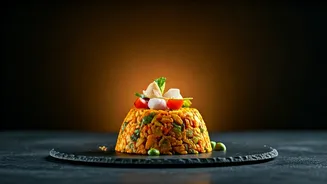
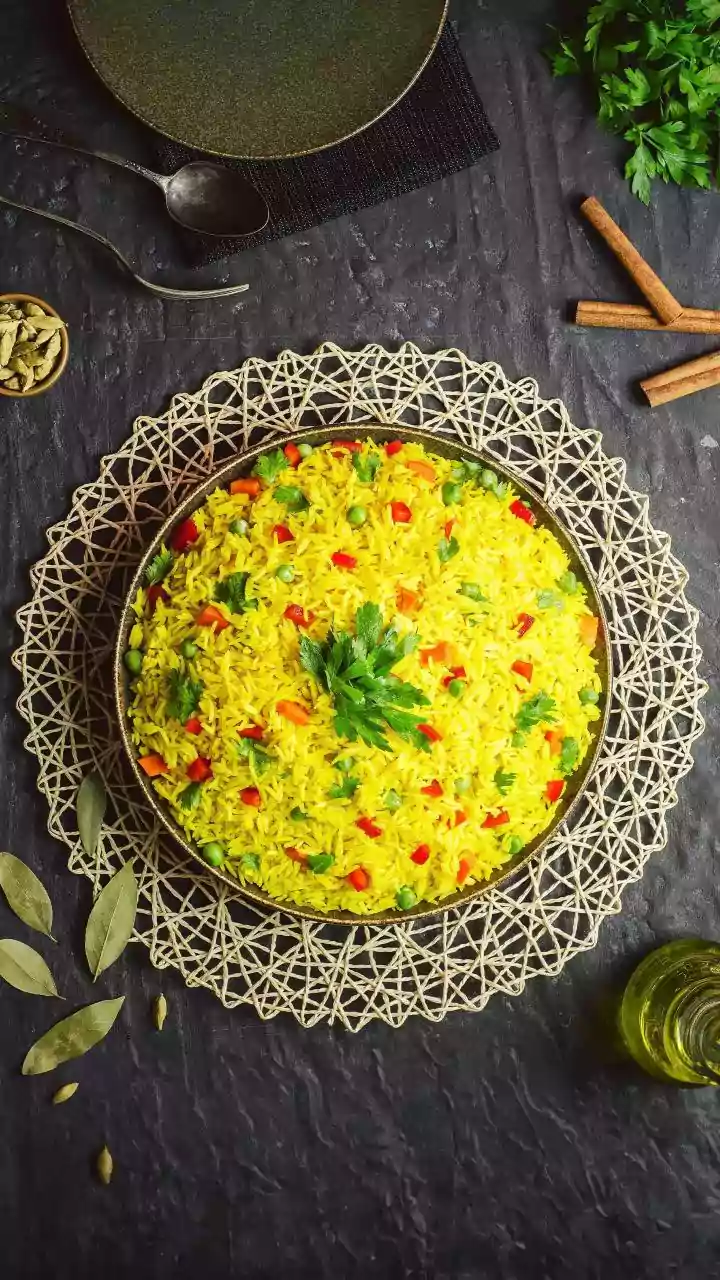
For ages, Khichdi has been the embodiment of simplicity, recovery, and frugality. This fundamental mix of rice and lentils, requiring minimal spice and easily digestible, was a common feature in modest homes and during lean agricultural periods. Its comfort stemmed from its adaptability, with regional variations reflecting available grains, lentils, and local climates. Prepared for the young, elderly, and infirm, it symbolized care and gentle nourishment rather than culinary artistry. Ironically, contemporary wellness movements have repositioned Khichdi as a celebrated 'superfood.' High-end restaurants now present refined iterations featuring exotic vegetables, truffle oil, or artisanal ghee, re-framing what was once perceived as plain or uninspiring as a paragon of balanced, mindful eating.
Ragi Mudde's New Chapter
In regions like Karnataka, Ragi Mudde was historically the sustenance of agricultural laborers, derived from finger millet—an affordable, resilient, and highly sustaining grain. Formed into dense balls and typically served with sambar or spicy gravies, it provided enduring energy for physically demanding work. Beyond mere sustenance, Ragi Mudde represented local agricultural wisdom, suited to arid environments where other crops faltered, and its preparation was a skill passed down through generations, linking it deeply to land and community. As urbanization led to changing dietary habits, such traditional foods were marginalized, perceived as rural or outdated, with polished grains and processed foods symbolizing modernity. However, with a resurgence in awareness about millets and sustainable eating, Ragi has been rediscovered as a nutritional powerhouse. Urban eateries and health-focused cafes now champion Ragi dishes as premium, environmentally conscious selections, repositioning a once-humble staple as contemporary wellness cuisine.
Sarson ka Saag's Heritage
This quintessential Punjabi winter pairing of Sarson ka Saag and Makki di Roti originated as seasonal rural fare, utilizing abundant mustard greens and maize flour, both inexpensive and suited to the cold climate. Farmers embraced these ingredients for their affordability and their ability to provide warmth and sustained energy during harsh winters, becoming intrinsically linked to agricultural cycles and community gatherings. Today, this dish is revered as heritage cuisine. Restaurants often highlight its slow-cooking process, accompaniments like white butter, and traditional preparation, commanding prices significantly higher than its humble beginnings. The dish's inherent rustic authenticity has become its most compelling luxury appeal in the modern culinary landscape.
Pakhala Bhat's Recognition
In Odisha, Pakhala Bhat, a simple preparation of rice fermented in water and seasoned with salt, chilies, or minimal accompaniments, served as a cooling summer meal for working-class families. This practice not only helped mitigate the intense heat but also reduced food waste by utilizing leftover rice. This unassuming dish became closely tied to seasonal agricultural life, offering hydration and nourishment during long, laborious days, embodying resourcefulness, comfort, and sustainability. Modern nutritional science now recognizes the benefits of fermented foods for gut health, leading chefs to embrace Pakhala as a probiotic-rich traditional dish. Upscale interpretations, featuring curated side dishes and regional narratives, have brought this once-overlooked meal into the culinary forefront.
Misal Pav's Evolution
Emerging as an economical street food in Maharashtra, Misal Pav was designed to be both filling and affordable. It consists of sprouted lentils simmered in a spicy gravy, generously topped with 'farsan' (savory snacks), offering a burst of flavor and nutrition at a low cost, making it a favorite among students and laborers. Vendors would prepare large batches early in the day, ensuring commuters and workers could grab a quick, energizing meal. Its vibrant spice profile, combined with soft pav bread, provided comfort and stimulation, fitting perfectly into Maharashtra's dynamic urban food scene. Over time, distinct regional variations developed in cities like Pune and Kolhapur, each boasting unique balances of heat, texture, and tang, leading to passionate debates over preferred spice levels and toppings. Today, specialized eateries compete to offer the most authentic or innovative Misal Pav, transforming this everyday sustenance into a celebrated gastronomic experience, with some presentations verging on theatrical.