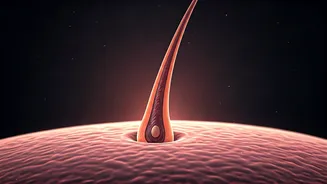







The Allure of Fuller Hair
The desire for a more abundant head of hair is a powerful motivator, driving a significant global demand for hair restoration procedures. Many individuals
opt for these treatments, envisioning a significant boost in their appearance and self-confidence. The typical narrative surrounding hair transplants often focuses on successful outcomes, portraying them as straightforward procedures with minimal discomfort and a relatively short recovery period, leading to a dramatically improved aesthetic. However, the landscape of cosmetic procedures is not always predictable, and recent events have brought to light that even well-established interventions can present unexpected challenges, prompting a closer examination beyond the standard success stories.
An Unexpected Anomaly
During what was expected to be a routine hair transplant operation, a patient experienced a highly unusual and unforeseen complication, a situation that even experienced medical practitioners found perplexing. The procedure commenced without any initial issues, following the established protocols diligently. However, during the recovery phase, the patient began exhibiting a set of symptoms that deviated significantly from the common post-operative concerns. Unlike typical reactions such as localized swelling, redness, or temporary hair shedding often referred to as 'shock loss,' this particular incident presented a medical mystery that defied conventional understanding and existing patient advisement materials, leaving the medical team in a state of disbelief.
Experts Left Baffled
The medical community, particularly in the field of cosmetic surgery, generally possesses extensive experience with a wide spectrum of patient responses to procedures. Standardized protocols are in place to address most common adverse reactions, ranging from mild sensitivities to more prolonged healing periods. Yet, the recent hair transplant complication left the attending medical professionals completely astounded. Reports indicate that seasoned surgeons, with years of specialized practice, had never encountered a similar phenomenon. This unprecedented event necessitates a re-evaluation of existing knowledge, prompting urgent questions about its origin: could it be an extremely rare genetic predisposition, an unforeseen interaction with anesthesia, or an entirely novel condition requiring immediate investigation by global health authorities? The underlying causes remain elusive, spurring a race to comprehend this unusual complication.
Implications for the Industry
The hair transplantation sector is currently experiencing substantial growth, marked by increased accessibility and greater social acceptance than in previous years, making it a popular choice for many seeking aesthetic enhancements. Procedures are often discussed with the same casualness as minor cosmetic treatments. Nevertheless, this peculiar case serves as a critical reminder that no medical intervention, regardless of how commonplace it has become in popular culture, is entirely devoid of risk. The human body's complexity means that unexpected reactions can occur. While the statistical probability of experiencing such an extreme and rare side effect is exceedingly low, it underscores the paramount importance of selecting board-certified and highly skilled surgeons. Such professionals are better equipped to manage unforeseen circumstances and adapt treatment strategies when a patient's body responds unpredictably, highlighting that vigilance and expertise remain vital in cosmetic surgery.