



Vastu's Role in Modern Kitchens
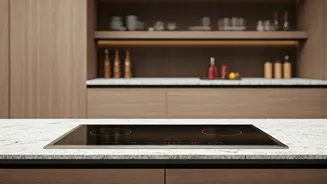
In today's kitchens, induction cooktops have become increasingly popular, offering speed and convenience, often even replacing traditional gas stoves due
to their efficiency and ease of use. A common question arises: does Vastu, the ancient Indian science of architecture and design, still apply to these modern appliances? The fundamental principle of Vastu concerning cooking is not about the visible flame of a gas burner, but rather the element of heat itself. Since an induction cooktop generates heat, its placement still holds significance in maintaining the energetic flow within a home. While achieving perfect Vastu compliance might be challenging in many modern living spaces, even minor adjustments can significantly enhance the comfort and functionality of the kitchen, making it a more pleasant area to prepare meals.
Why Follow Induction Vastu
For many Indian households, the kitchen transcends its basic function; it's a space interwoven with daily routines, personal well-being, and emotional equilibrium. Vastu Shastra associates the kitchen with the fire element, which is believed to profoundly influence the overall energy circulating within a dwelling. Adherence to Vastu can range from strict observance to incorporating its core philosophies. Regardless of the level of practice, thoughtful arrangement of kitchen elements invariably leads to a sense of order, reduced clutter, and a less chaotic atmosphere. The most immediate benefit people often perceive is not an abstract notion of energy, but a tangible improvement in the seamlessness and ease of the cooking process, making daily culinary tasks feel smoother and more manageable.
Optimal Direction for Induction
A recurring theme when discussing Vastu for induction cooktops is the recommendation to face East while cooking. To facilitate this, the ideal placement for the cooktop is typically the South-East corner of the kitchen, a zone traditionally linked with the element of fire. This alignment is considered most auspicious. However, recognizing that many apartment layouts are not conducive to this ideal setup, the North-West direction is often deemed an acceptable alternative. While not as perfect as the South-East, it is considered a workable option. Certain areas are generally advised against for placing cooking appliances, namely the North-East corner, often associated with tranquility and spirituality, and the very center of the kitchen, which is seen as the heart of the home and ideally kept uncluttered and free from intense heat sources. The overarching principle is that a functional and practical placement, avoiding conflicts with water elements or serene zones, forms the bedrock of Vastu compliance for your induction cooktop.
Practical Placement Advice
Many Vastu guidelines for induction cooktops boil down to sensible, practical considerations that most people naturally adopt. Placing the induction unit on a properly elevated kitchen counter rather than directly on the floor enhances comfort and usability, as floor-level cooking can be ergonomically challenging. It's also prudent to maintain a reasonable distance between the cooktop and the kitchen sink. This separation is beneficial not only from a safety perspective, minimizing the risk of water splashing onto electrical components, but also from a Vastu standpoint, as it respects the distinct energies of fire and water. Furthermore, avoid pushing the cooktop too tightly against a wall; a small gap allows for easier cleaning, better ventilation, and prevents a cramped feeling. Keeping the cooking area tidy and free from excessive clutter is crucial for maintaining a smooth workflow and a sense of order. Finally, ensuring electrical wiring is secure and organized addresses practical safety concerns that are paramount for any kitchen appliance.
Essential Do's and Don'ts
To foster a harmonious kitchen environment with your induction cooktop, certain practices are recommended while others should be avoided. Ideally, place the cooktop in the South-East direction if your kitchen layout permits, and try to face East when cooking. Cleaning the cooktop after each use not only maintains hygiene but also makes subsequent cooking sessions more pleasant. Keep essential cooking items within easy reach but avoid haphazardly scattering them around the cooking zone. Ensure adequate lighting to make the area feel open and inviting. Conversely, refrain from placing the cooktop directly adjacent to the sink, and steer clear of the North-East placement. Avoid positioning it where it might be subjected to strong, direct drafts from open windows, as this can disrupt the energy flow. Also, refrain from cooking in overly cramped spaces. Most importantly, never ignore a malfunctioning cooktop; address any faults promptly for safety and functionality.