




It's Never Too Late
Many individuals harbor a common doubt: is it truly too late to commence an exercise regimen? This apprehension can be amplified when immediate results
aren't visible, leading to discouragement and a belief that opportunities for improvement have passed. However, the pursuit of fitness is not constrained by age or specific timelines. Recognizing this fundamental truth is a pivotal first step toward cultivating a sustainable and healthier way of life. Dr. Jeremy London, a cardiothoracic surgeon with over two decades of specialized experience, addresses this widespread concern, offering a reassuring perspective. He asserts that regardless of one's age or prior exercise history, there is no point at which it becomes too late to initiate or recommence physical activity. The key lies in understanding and applying a few core principles to ensure a successful and enduring fitness journey.
Begin Gently, Progress Steadily
For those venturing into exercise for the first time or returning after a prolonged hiatus, Dr. London strongly advises a gradual approach. Incrementally increasing the intensity and duration of your workouts is crucial for making the routine manageable and, more importantly, for minimizing the risk of physical injury. This measured progression not only builds a more resilient body but also fosters greater adherence to the fitness plan. By starting slowly and allowing your body to adapt, you significantly enhance your prospects of achieving your fitness goals without succumbing to setbacks like sprains or strains. This deliberate ramp-up phase is fundamental to building both physical capacity and psychological confidence, setting a solid foundation for sustained effort and long-term success in your fitness endeavors.
Cardiovascular Training's Role
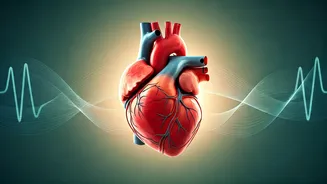
Incorporating aerobic or cardiovascular activities is highly recommended for bolstering your heart's efficiency and overall well-being. Engaging in pursuits like running, jogging, or cycling directly strengthens your cardiovascular system. Dr. London highlights the significance of VO₂ max, a critical physiological metric that quantifies how effectively your body can transport and utilize oxygen and nutrients. This measure is recognized as one of the most robust indicators of longevity. By improving your VO₂ max through consistent cardio, you enhance your heart's capacity to circulate vital resources throughout your body, contributing not only to immediate fitness gains but also to a potentially longer and healthier life. This type of training is fundamental for maintaining cardiac health and improving your body's systemic efficiency.
Strength for Longevity
Resistance and strength training are vital components of a comprehensive fitness plan, particularly for preserving precious muscle mass. As we age, there is a natural decline in muscle tissue, a process that must be actively counteracted to maintain physical function and metabolic health. Dr. London aptly describes muscle as the "organ of longevity," underscoring its profound impact on our overall health span. Robust muscle mass supports not only physical strength and mobility but also plays a crucial role in regulating metabolism and contributing to a longer, more vital life. Regularly engaging in activities that challenge your muscles helps mitigate age-related muscle loss, ensuring you maintain the strength and functional capacity necessary for an active and independent life for years to come.
Nutrition: The Undeniable Partner
Dr. London emphasizes that physical activity, while crucial, cannot entirely compensate for an inadequate diet. Mindful nutrition is just as integral to achieving and maintaining good health as exercise itself. Overconsumption, coupled with insufficient movement, has become a widespread health issue. Therefore, paying close attention to the quality and quantity of the food you consume is paramount. Diet and exercise work synergistically; optimizing both is essential for supporting overall health and ensuring long-term fitness. Remember, it's far easier to negate the benefits of exercise through poor dietary choices than it is to overcome the negative impacts of an unhealthy diet solely through physical activity. A balanced approach is key.
Choosing Your 'Hard'
The journey to fitness presents inherent challenges, whether it's initiating the process, maintaining motivation, or ensuring consistency. These aspects are undeniably difficult. However, Dr. London offers a profound perspective: being physically fragile, experiencing low muscle mass, or facing increased cardiovascular risks are also significant hardships. He urges individuals to choose their 'hard' wisely. This means recognizing that while starting and sticking to an exercise plan requires effort and discipline, the alternative – enduring the detrimental effects of inactivity and poor health – presents a far more challenging and potentially debilitating reality. By committing to fitness, you are actively choosing a path that, though demanding at times, leads to a stronger, healthier, and more resilient future.