





Core Culinary Principles
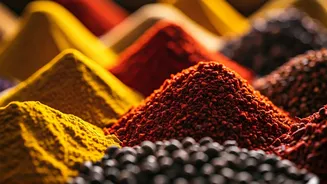
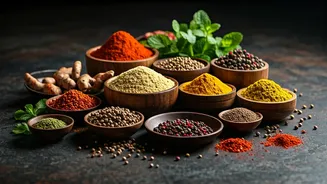
At the heart of Indian cuisine lies a deep understanding and skillful use of spices. These aromatic and flavorful additions are the cornerstone of many
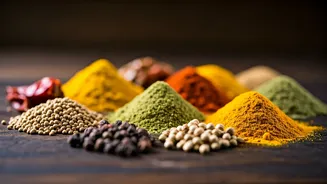
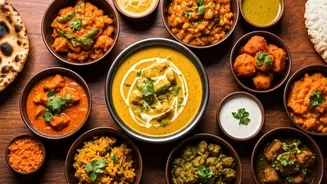
dishes. Spices are carefully blended to achieve intricate layers of flavor that define each region's culinary identity. Key ingredients such as turmeric, cumin, coriander, and garam masala are common staples, offering both taste and color. Cooking methods further differentiate Indian cuisine, often including the use of tandoor ovens, slow-cooking techniques, and various methods of frying. Regional variations arise in the proportions of spices, the specific ingredients used, and the methods for cooking each dish. These variations reflect the cultural diversity of India, where climate, local agriculture, and historical influences shape the food traditions of each region.
North Indian Delights
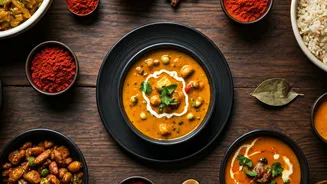
North Indian cuisine is known for its rich, creamy curries and generous use of dairy products like ghee (clarified butter) and cream. Popular dishes include butter chicken, a creamy tomato-based dish with marinated chicken, and the flavorful palak paneer, featuring spinach and paneer cheese. Tandoori cooking, where food is cooked in a clay oven, is a hallmark, imparting a smoky flavor to meats and breads. The Mughal influence is prominent, seen in the use of nuts, dried fruits, and saffron, which add richness to dishes. Flatbreads like naan and roti accompany most meals. These breads, often cooked in a tandoor oven, complement the rich and complex flavors of the curries. The use of aromatic spices such as cardamom, cinnamon, and cloves adds warmth and depth to the various dishes.
South Indian Flavors
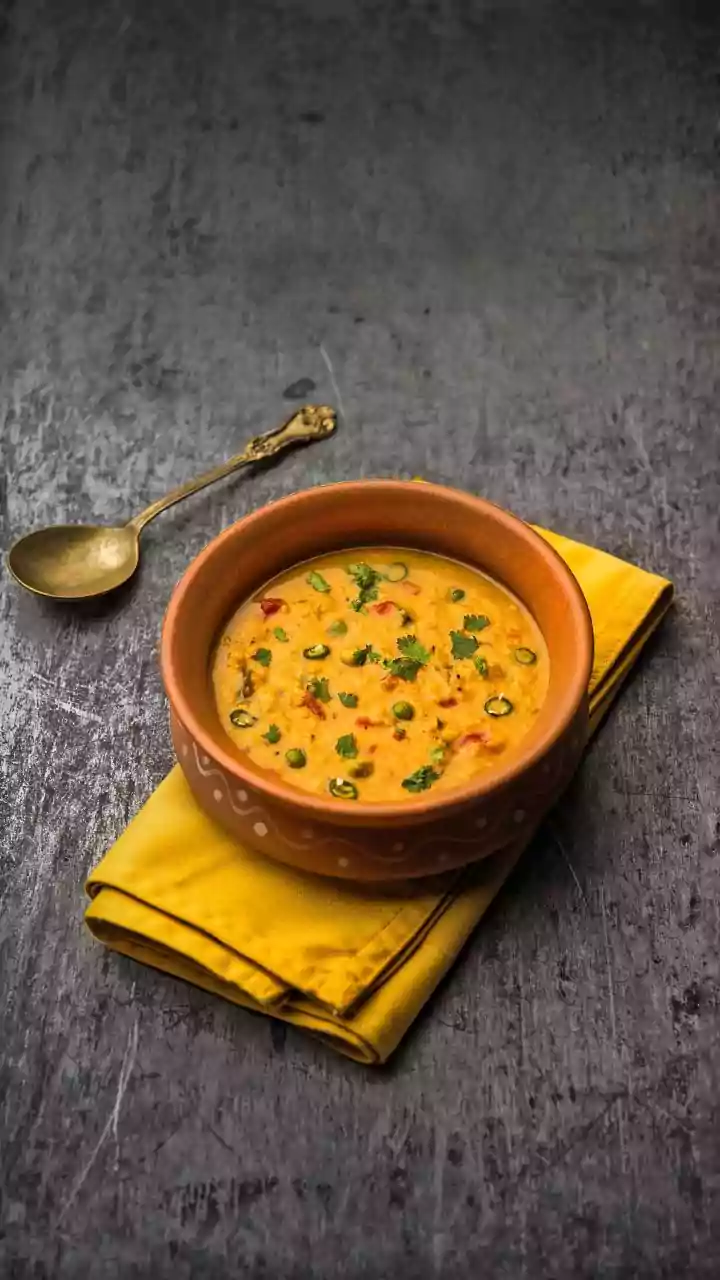
South Indian cuisine boasts a lighter and more flavorful approach, with an emphasis on rice, lentils, and fresh ingredients. Dishes often feature coconut, tamarind, and curry leaves, which give them a tangy and refreshing taste. Popular foods include dosa, a fermented crepe made from rice and lentils, and idli, steamed rice cakes. Sambar, a lentil-based vegetable stew, and various chutneys offer complementary flavors. The use of mustard seeds, which are tempered in hot oil, is a common practice, adding a unique fragrance and texture. Each state in South India has distinct culinary traditions, with ingredients and recipes passed down through generations. These traditions reflect the region's climate, local produce, and the influence of neighboring cultures.
East Indian Specialties
East Indian cuisine offers a blend of subtle flavors, often influenced by the region's diverse geography and historical connections. Fish and seafood play an important role, especially in coastal areas like Bengal. Dishes are often light, featuring delicate spices like panch phoran, a blend of five seeds (fenugreek, mustard, cumin, fennel, and nigella), which provides a unique flavor profile. Rice is a staple, typically served with curries and various vegetable preparations. The cuisine also reflects influences from neighboring countries like China and Myanmar. The use of fermented foods, such as pickles and chutneys, adds complexity and provides a balancing element to the dishes. The variety of dishes available caters to different tastes and offers a culinary experience.
West Indian Wonders
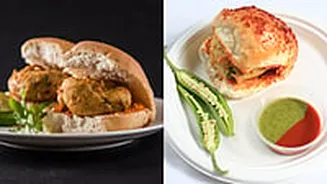
West Indian cuisine, notably from states like Maharashtra and Gujarat, boasts a diverse range of flavors and influences. The use of coconut, tamarind, and jaggery is prominent, contributing sweet, sour, and savory notes to many dishes. Mumbai, a major city in the region, offers a variety of street food, including vada pav (potato fritter in a bun) and pav bhaji (vegetable curry with bread). Gujarati cuisine often features a balance of flavors with sweet, sour, and spicy elements. The use of groundnuts, sesame seeds, and lentils is common, which provides a rich base for many dishes. Seafood is prevalent in coastal regions. Dishes blend traditional recipes with modern cooking techniques, offering unique and delicious food experiences.
The Spice Route
The spice trade has significantly impacted Indian cuisine, as it brought various spices from around the world to the region. Spices were not only used for flavoring but also for their medicinal properties. These exchanges between different cultures have created an incredibly complex blend of dishes. The trade enriched the local cuisines. Spices from various regions influenced the way food was prepared. The development of different spice blends represents an important element in the evolution of Indian cuisine. These unique combinations of spices have become integral to the taste profiles of Indian dishes. The influence of the spice route continues to influence Indian cooking.