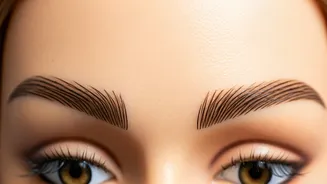








Microblading's Fading Act
Microblading is a cosmetic procedure that involves implanting pigment into the skin to mimic the appearance of fuller eyebrows. Despite its popularity,
the results are not always as desired. Unlike permanent tattoos, microblading typically fades over time, meaning it's not a lifelong commitment. The pigment used in microblading is deposited into a more superficial layer of the skin compared to traditional tattoos. Factors such as skin type, aftercare, sun exposure, and the pigment's quality all play a role in how quickly microblading fades. This fading can be a relief for those who regret their microblading, because it means the procedure's effects are not permanent. However, uneven fading can still be an issue, potentially leaving patchy or discolored eyebrows. This is why understanding the fading process, and how long it lasts, is a fundamental part of considering reversal options.
Reversal Assessment Is Key
Before exploring reversal methods, a thorough assessment is crucial. Consider the time since the microblading procedure. How old is it? Is it fresh, or has it had years to fade? Also consider the level of pigment saturation. Is the color intense, or has it faded significantly? Your skin type is also a factor. Oily skin tends to cause quicker fading, which may influence reversal strategies. Analyze the pigment's color, noting any shifts or unwanted hues. The original microblading work itself is also an important factor; details like the shape, thickness, and placement of the microbladed strokes will impact the overall approach. Consulting with a qualified technician or dermatologist is a key step, because they can offer expert insights and realistic expectations based on your specific case. They can examine your eyebrows and review your medical history to evaluate the potential risks and benefits associated with the various removal techniques. This consultation is critical for making informed decisions on your journey to eyebrow correction.
Laser Removal Unveiled
Laser removal is a popular method for microblading reversal. This technique works by targeting the pigment with concentrated light beams. The laser shatters the pigment particles into smaller fragments, allowing the body to naturally remove them through the lymphatic system. The type of laser used and its settings are critical. Q-switched lasers are commonly employed because they are specifically designed to target pigment without causing significant damage to the surrounding skin. Several sessions are often needed to achieve the desired outcome, and the number varies depending on the amount of pigment, the color, and how deeply it was deposited. The process can cause some discomfort, described as a snapping rubber band against the skin. Post-treatment care is essential to promote healing and reduce the risk of complications. Avoid sun exposure and follow your technician's instructions regarding aftercare. Laser removal isn't a guaranteed solution; results vary from person to person, and some pigment may remain.
Saline Removal Explained
Saline removal is an alternative method to laser removal. It involves using a saline solution to lift the pigment out of the skin. A technician uses a machine similar to that used for microblading to implant the saline solution into the eyebrow area. The saline solution then draws the pigment to the surface, where it eventually forms a scab. Once the scab falls off, some of the pigment comes away with it. This method may require multiple sessions to achieve the desired results. It's often considered gentler than laser removal, with fewer risks of scarring or pigment changes. However, it can be a slower process. Aftercare is crucial for saline removal as well, and it requires following the technician's instructions to prevent infection and promote healing. This includes keeping the area clean and avoiding activities that could disrupt the healing process. While saline removal offers a viable option, its effectiveness can differ depending on the individual's skin type, the depth of the pigment, and the type of pigment used.
Manage Expectations & Patience
Reversing microblading is a journey, and patience is essential. The process is often gradual, and it may take multiple sessions to achieve the desired results, whether using laser or saline removal. It's important to understand that complete removal is not always possible. Some pigment may remain, and the goal is often to lighten the brows enough to allow for a new microblading procedure, or to let the area fade naturally. Be realistic about the timeline, because it can take several weeks or months to see significant changes. Proper aftercare is crucial for optimal results and to minimize the risk of complications. Follow your technician's instructions meticulously, which includes keeping the treated area clean, avoiding sun exposure, and using any recommended skincare products. Consulting with a skilled and experienced professional is also necessary for determining the best removal method and to develop a personalized treatment plan. Remember to discuss your expectations and any potential risks to ensure you are well-informed and prepared for the process.