





A Scent's Subtle Power
It's a familiar experience: the irresistible aroma of a bakery or freshly baked cookies can make your mouth water. However, this sensory delight might
be orchestrating more than just your appetite. The mere smell of sugary delights can initiate physical responses within your body, potentially mirroring what happens when you actually consume sugar, including triggering insulin release and intensifying cravings. This suggests that your senses alone possess the capability to prompt your body into action, as if the sugar were already present on your taste buds. This raises important questions for individuals managing their blood sugar levels or attempting to curb persistent cravings: Is this phenomenon a cause for concern, or is it a minor bodily quirk that doesn't warrant excessive worry? To address this, we sought expert insight to determine the significance of paying attention to such olfactory influences on our physiology.
Olfactory Insulin Signals
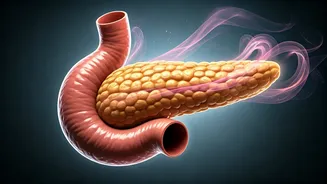
When faced with the appealing scent of sweet confections like cakes or pastries, your body can initiate a preparatory response by releasing small quantities of insulin, even in the absence of actual consumption. This physiological reaction is generally quite subtle and does not lead to substantial fluctuations in blood glucose levels. The underlying mechanism involves your brain interpreting the aroma as a precursor to food intake, prompting your body to ready itself. For most healthy individuals, this effect is transient and barely noticeable. It's a sophisticated, albeit primitive, signaling system where the brain anticipates nourishment based on scent cues, initiating a mild, preparatory hormonal release to manage the impending arrival of carbohydrates.
Brain's Sweet Connection
The brain's engagement with dessert aromas is a complex interplay between its olfactory and reward systems. When you inhale the scent of sweet treats, these two regions become simultaneously active, a pairing that can generate feelings of pleasure and, consequently, cravings. This heightened sense of enjoyment is often attributed to the release of dopamine, a neurotransmitter widely known as the 'feel-good' chemical. For some individuals, the scent alone can evoke cherished memories or a sense of satisfaction, thereby igniting a desire for the dessert before it's even been tasted. The intensity with which someone experiences this connection is highly personalized, influenced by a combination of their ingrained habits, prevailing emotional state, and genetic predispositions.
Appetite Regulation Risks
For those navigating the challenges of conditions like diabetes or insulin resistance, the persistent exposure to dessert scents may pose a hurdle to effective appetite regulation. These enticing aromas can stimulate the brain's reward pathways, potentially amplifying the desire for sugary foods and making them more appealing. Over extended periods, this repeated olfactory stimulation can disrupt the body's natural hunger and satiety signals, creating difficulties in adhering to a balanced dietary plan. Effectively managing these scent-induced cravings is therefore paramount for individuals aiming to maintain stable blood sugar levels and uphold their health objectives.