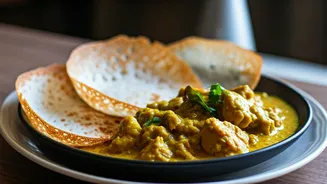








Appam: The Basics
Appam, a pancake-like dish with a soft, spongy center and crispy edges, is a staple in Kerala. The key to perfect Appam lies in the fermentation process
of the rice batter. Traditionally, the batter comprises parboiled rice (usually aged), raw rice, coconut, and a touch of yeast or toddy (palm wine) for fermentation. This combination provides the unique texture and slightly sour taste characteristic of Appam. The fermentation period can vary based on the climate; warmer environments require less time. Proper fermentation is essential; the batter should be bubbly and slightly sour before cooking. A special Appam pan, with a curved base, is critical for achieving the ideal shape. The cooking process is simple: swirl the batter in the pan, cover it, and let it cook until the edges turn golden brown, and the center becomes soft and spongy. The resulting Appam is a versatile dish, perfect for soaking up curries and stews.
Ingredients for Perfection
To make authentic Appam, gather these ingredients: 2 cups of parboiled rice, 1 cup of raw rice, 1 cup of grated coconut, 1 teaspoon of active dry yeast or a small amount of toddy, and salt to taste. The rice needs to be soaked separately for at least 4 hours or overnight. When ready, grind the soaked rice with the grated coconut, yeast (or toddy), and enough water to create a smooth batter. The consistency of the batter should be like a thick pouring cream, as this is crucial for the perfect texture. The quality of ingredients directly impacts the final outcome. Use fresh, high-quality rice and coconut for the best flavor. Proper measurement of ingredients is vital; it directly affects the texture and fermentation. Avoid over-grinding the batter as it may impact the fluffiness of the Appam.
Stew Ingredients & Prep
The Chicken Stew recipe begins with selecting the finest ingredients, notably chicken pieces (thighs or drumsticks work well), potatoes, carrots, onions, ginger, garlic, and green chilies. The stew's rich flavor is enhanced by coconut milk and whole spices such as cloves, cardamom, cinnamon, and bay leaves. First, marinate the chicken with ginger-garlic paste and salt for about 30 minutes. Then, saute onions until golden and add ginger, garlic, and green chilies. Next, add the chicken pieces and sauté them lightly. Add the vegetables—potatoes and carrots—and sauté for a few minutes. Incorporate the whole spices, then pour in the coconut milk, adding water to achieve desired consistency. Simmer until the chicken and vegetables are tender. Season with salt and pepper to taste. The fresh coconut milk provides creaminess. Freshly ground pepper also enhances the overall experience.
Appam Batter: Step-by-Step
Begin by washing and soaking the parboiled and raw rice separately for at least 4 hours. Once softened, grind the soaked rice with the grated coconut and yeast or toddy, adding water gradually until the batter achieves a smooth, thick consistency, akin to a pouring cream. The smoothness of the batter affects the final texture of the Appam. If using yeast, activate it according to the package instructions before adding it to the batter. After grinding, transfer the batter to a large bowl and allow it to ferment in a warm place for about 8-12 hours, or until it becomes bubbly. The fermentation process is critical for producing the characteristic spongy texture. Adjust the fermentation time based on the weather conditions: warmer climates may require less time. Once fermented, season the batter with salt, and it's ready for cooking.
Cook Your Appams
Heat the Appam pan over medium heat. Lightly grease the pan. Swirl a ladleful of Appam batter in the pan, ensuring the batter evenly coats the surface. Cover the pan with a lid and let it cook for a few minutes until the edges are golden brown and crispy, and the center is soft and spongy. Avoid lifting the lid during cooking to trap the steam, which helps cook the Appam evenly. The key is to achieve a balance between a crispy edge and a soft center. If the Appam sticks to the pan, the heat may be too low. Adjust the heat as needed. Once cooked, gently remove the Appam from the pan. Serve it immediately while hot for the best taste and texture.
Stew: Cooking It Right
After marinating the chicken, heat oil in a pan and sauté the onions until golden brown. Add ginger-garlic paste and green chilies, sautéing until fragrant. Then, add the marinated chicken and sauté until the chicken pieces begin to brown. Incorporate the diced potatoes and carrots, sautéing them briefly. Add whole spices like cloves, cinnamon, and cardamom for added flavor. Pour in the coconut milk and water to achieve the desired stew consistency, ensuring the chicken and vegetables are sufficiently submerged. Bring the stew to a boil, then reduce the heat and simmer gently until the chicken is tender and the vegetables are cooked through. Adjust the seasoning with salt and pepper to taste. A dash of lemon juice before serving provides a final burst of freshness.
Variations & Enhancements
Experiment with variations to elevate your Appam and Chicken Stew experience. For Appam, you can try adding a touch of sugar or a pinch of baking soda to the batter for a slightly different texture. Some people also add a bit of beaten egg to the batter for richer Appams. For the stew, you could add other vegetables like beans or peas, or incorporate a small amount of turmeric for color and a subtle earthy flavor. Using homemade coconut milk will further enhance the authenticity and taste. Consider adding a touch of garam masala at the end of the cooking process for an added depth of flavor. Garnish the stew with fresh coriander leaves for an appealing visual element. For those who prefer a spicier stew, add more green chilies or a pinch of red chili powder.
Serving Suggestions
Serve the Appam immediately after cooking, paired with the Chicken Stew, for the best culinary experience. The soft, spongy Appams are ideal for soaking up the flavorful stew. For a complete Kerala meal, serve the Appam and Chicken Stew alongside other South Indian staples like Idiyappam (string hoppers) or vegetable stews. You can also offer a side of coconut chutney or a fresh salad to complement the meal. The contrast in textures and flavors between the soft Appam and the rich stew is what makes the combination so appealing. Consider serving the meal in traditional banana leaves, adding a cultural touch. Experiment with other accompaniments like a light vegetable curry or a refreshing raita to enhance the overall meal.