





Carnival's Grand Overview
The Goa Carnival is a vibrant event held annually in Goa, India. It's a colorful spectacle deeply rooted in history, influenced by Portuguese traditions
combined with local Indian culture. Initially introduced by the Portuguese, the festival, celebrated before the Lenten season, has evolved into a major tourist attraction and a beloved tradition for the people of Goa. The carnival generally spans a few days, featuring a series of parades, music, dance performances, and, of course, delicious food. It presents a unique blend of cultures, where the lively atmosphere attracts both locals and a significant number of visitors from around the world. The events are spread throughout the state, making it a festival that involves the participation of the whole of Goa. This also brings economic benefits, as local businesses and vendors thrive during this time.
Historical Roots Explored
The Goa Carnival's origins trace back to the Portuguese colonial era, establishing itself as a Christian festival. During the Portuguese rule, the celebration was primarily a way for the community to come together before the fasting period of Lent. This celebration included feasting, music, and dance, offering a brief period of revelry before the more solemn season. Over time, the festival was integrated into the local Goan culture, blending Portuguese traditions with Indian customs and elements. The result is a fusion of cultures, combining the Catholic tradition with Goan hospitality and vibrancy. This evolution has transformed the festival, making it into a unique event that celebrates the heritage and community of Goa. It's a great example of cultural exchange that has developed over centuries, showing how traditions adapt and evolve through time.
Main Festive Highlights
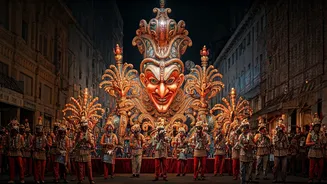
The Goa Carnival is filled with various activities, making it an exciting experience for everyone. The grand parades are the main attraction, featuring elaborate floats, costumed performers, and brass bands. These parades usually pass through major towns, such as Panjim, and are known for their lively energy and creativity. Alongside the parades, music and dance performances add to the vibrant atmosphere, with local and international artists showcasing a wide range of styles. The festival also offers a variety of food stalls and local markets, where visitors can enjoy traditional Goan dishes and purchase handicrafts. The Carnival’s highlight is the King Momo parade, where King Momo, the 'king of chaos,' officially opens the festival. This parade creates a feeling of festivity, and is when the party truly starts, including music, dance, and a general spirit of celebration.
Food, Drink, & Joy
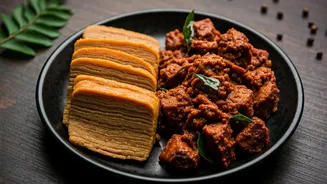
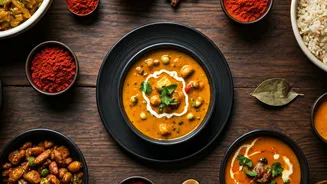
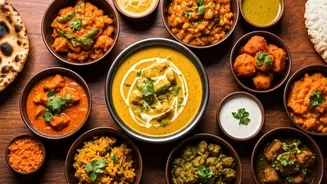
Food plays a crucial role during the Goa Carnival, offering a delicious experience alongside the festivities. During the carnival, local markets and food stalls display a large array of Goan dishes, highlighting the state's culinary heritage. Popular choices include seafood delicacies, such as fish curry and prawn balchão, alongside pork vindaloo and bebinca, a layered dessert. These dishes reflect the fusion of Portuguese and Indian cuisines, creating a unique culinary landscape. Beverages like feni, a local alcoholic drink, are also widely enjoyed during the celebration. These food and drink offerings are a central part of the experience, ensuring that everyone can immerse themselves in the celebration with their taste buds. The carnival is therefore a great opportunity to explore and appreciate the rich flavours of Goa, creating a memorable experience.
Carnival's Lasting Legacy
The Goa Carnival has made a lasting impact on Goa, both socially and economically. It promotes tourism, brings cultural awareness, and boosts local economies. It promotes the cultural exchange between locals and tourists, showcasing Goan art, music, and dance to a global audience. Economically, the event provides income for local businesses, including hotels, restaurants, and craft vendors. The festival brings in a large number of tourists, stimulating the tourism sector and fostering growth and development. The event serves as a platform to celebrate the local culture and traditions of Goa, helping preserve the state's heritage. The Goa Carnival highlights the importance of cultural events in society and the economic advantages they bring to communities, demonstrating its role as a cultural and economic driver.