






Gyproc Ceiling: Basics
Gyproc false ceilings are a popular choice for home interiors, celebrated for their versatility and aesthetic appeal. These ceilings are made from gypsum
boards, offering design flexibility and allowing for various shapes and patterns. They provide an excellent surface for incorporating lighting fixtures, enhancing the ambiance of a room. Gyproc ceilings contribute to improved acoustics by absorbing sound, creating a quieter environment. Furthermore, they can conceal electrical wiring, offering a clean and organized look. They are favored for their ease of installation and customization, enabling homeowners to tailor their ceilings to suit their specific tastes and design preferences. Consider the maintenance aspect; while durable, occasional cleaning and inspection for cracks or damage are recommended to ensure longevity.
Geometric Design Elements
Geometric designs in false ceilings introduce visual interest and modern flair to any room. These designs incorporate shapes like rectangles, squares, triangles, and circles to create patterns. Geometric layouts can be used to define spaces within a room, offering a sense of order. For example, a rectangular pattern might visually elongate a room, while circular designs can be used to soften the space. Geometric designs provide an excellent opportunity to experiment with different textures and colors. This can include integrating recessed lighting within the geometric shapes to highlight and add depth. Consider how the shape interacts with the room's overall architecture and how it complements the existing décor. These ceilings are suitable for living rooms, bedrooms, and even bathrooms, providing a clean and contemporary appearance. The key is to balance the geometric elements to avoid overwhelming the space.
Wooden Beam Integration
Integrating wooden beams into false ceilings blends natural warmth with architectural charm. The use of wood adds a textural contrast and visual depth to the ceiling. Wooden beams, whether real or faux, create a rustic or modern aesthetic, depending on the chosen style. They can be installed in various patterns, from simple parallel beams to complex cross-beam designs. The integration of wooden beams offers the opportunity to incorporate recessed lighting or pendant lights, enhancing the room's lighting scheme. This design element can also be used to define different zones within a larger open-plan space. The choice of wood is essential; options range from light-colored pine to darker, more robust wood types like oak or walnut. The wooden beams can be stained or painted to match the interior color palette, ensuring a cohesive design. Ensure the beams are adequately supported and safely installed.
Illuminating Designs Explored
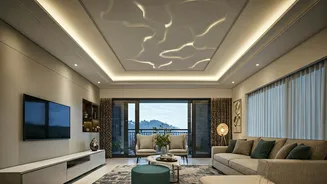
Illuminating designs in false ceilings merge aesthetics and functionality, dramatically altering a room's atmosphere. These designs typically involve the strategic placement of recessed lighting, LED strips, or pendant lights to illuminate the ceiling and reflect light in innovative ways. Full illuminating Gyproc ceilings provide an even, soft light, while designs with spot lights can create focal points, drawing attention to specific areas. The choice of lighting color, intensity, and temperature is crucial for creating the desired ambiance. Warm light can create a cozy atmosphere, while cooler light enhances brightness. Consider integrating dimmers to adjust the light levels and tailor them to the activity. Illuminating designs are suitable for living rooms, bedrooms, and bathrooms, and are especially effective in spaces where ambient lighting is essential.
PVC Ceiling Options
PVC (Polyvinyl Chloride) false ceilings offer a practical and cost-effective alternative to traditional options, known for their durability and low maintenance. PVC ceilings are water-resistant, making them ideal for bathrooms and kitchens. They are available in a variety of designs and colors, including wood-like finishes. PVC panels are easy to install, often interlocking, and can be easily cleaned. One of the main benefits is their resistance to moisture, preventing mold and mildew growth. They are lightweight and do not require heavy support structures, making them suitable for renovation projects. While PVC ceilings might not offer the same design flexibility as Gyproc, they are an excellent option for areas where moisture resistance is crucial, and the budget is a factor. Consider the long-term durability and the ease of replacing panels if necessary.
Design Trends for 2026
Keeping abreast of the latest design trends ensures your home looks modern and stylish. In 2026, trends include incorporating minimalist designs that emphasize clean lines and simple shapes. Geometric patterns and textures, such as those found in textured panels or wooden beams, are another popular trend. The integration of smart lighting systems, allowing homeowners to control lighting remotely, is also becoming prevalent. Sustainable and eco-friendly materials are increasingly sought-after, including recycled gypsum and responsibly sourced wood. The use of neutral colors with pops of vibrant hues is another major trend. Incorporating elements that create a sense of natural light and openness in a room is essential. Understanding these trends will assist in making informed choices to transform your home with a contemporary touch.
Maintenance and Upkeep
Regular maintenance is crucial to preserving the appearance and longevity of your false ceiling. For Gyproc ceilings, dust regularly and spot-clean any stains with a mild detergent. Avoid harsh chemicals that could damage the surface. Inspect the ceiling periodically for cracks or damage, repairing them promptly. With PVC ceilings, wipe them down with a damp cloth to clean off any marks or dirt. Regular inspections can identify any potential problems like water leaks or loose panels. Addressing issues early will help prevent further damage. Ensure that any lighting fixtures are correctly maintained and that wiring is regularly inspected by a professional to ensure electrical safety. Proper upkeep will extend the life of your false ceiling and keep it looking attractive for years to come.
Choosing the Right Design
Selecting the suitable false ceiling design involves considering several factors to match your needs and preferences. Assess your budget to determine what designs and materials are affordable. Consider your room's size, shape, and existing décor. A small room might benefit from a minimalist design, while a large room could accommodate more complex patterns. Think about the style of your home, whether modern, traditional, or contemporary, and choose a design that complements it. Evaluate lighting needs and how they can be integrated into the ceiling design. For example, recessed lighting can provide ambient lighting, while pendant lights can create focal points. Consider the room's function. A bathroom requires a moisture-resistant ceiling, while a bedroom may call for a more soothing design. Seeking professional advice from an interior designer can assist in making informed decisions.