






Natural Repellents
Combatting rice weevils often feels like a losing battle, but ancient wisdom offers potent, natural solutions. Incorporating dried neem leaves or bay leaves into
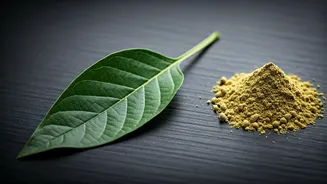
your rice storage is a remarkably effective technique passed down through generations. The distinctive aromatic compounds within these leaves act as a powerful deterrent to tiny insects, ensuring they steer clear of your precious grains. Simply scatter a handful of these dried leaves throughout your rice container, giving it a gentle stir. For optimal protection, remember to refresh these natural repellents every few weeks, maintaining their potency and your rice's safety. This simple act leverages the inherent properties of these plants to create an environment inhospitable to pests, preserving the quality and integrity of your rice.
Airtight Storage
The battle against moisture and air ingress is paramount when it comes to preserving rice. Utilizing airtight containers is not just a recommendation but a necessity for long-term storage. Opt for containers made from glass or food-grade plastic, as these create a formidable barrier against both humidity and unwanted visitors. Cloth bags, while seemingly breathable, offer little protection against the determined infiltration of weevils and other pantry pests. By ensuring your rice is sealed away from the ambient environment, you significantly reduce the risk of infestation and maintain its freshness, preventing staleness and preserving its texture.
Sun-Drying Power
Before even considering storage, a crucial step in safeguarding your rice involves the transformative power of sunlight. Spreading newly acquired rice thinly under the sun for several hours serves a dual purpose. Primarily, the heat generated effectively dries out any residual moisture that might be present, which is a breeding ground for pests. More importantly, this solar exposure is lethal to any hidden insect eggs or dormant larvae that may have hitched a ride from the point of purchase. This proactive measure kills pests at their earliest stages, preventing them from developing into a noticeable infestation within your stored grains, thus ensuring a cleaner, safer product.
Freezer Defense
If you have any inkling that your rice might already harbor microscopic eggs or emerging pests, the freezer offers a powerful, albeit temporary, solution. By transferring the affected rice into your freezer for a period of two to three days, you can effectively eliminate any existing insect life. The extreme cold is detrimental to insects in all their developmental phases, from eggs to larvae to adult forms. This 'freezer treatment' acts as a reset button, killing off any dormant or active pests before you proceed with regular storage. It's a highly effective method for eradicating potential infestations before they take hold and spread.
Aromatic Spices
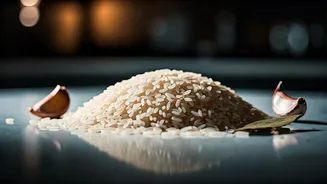
Beyond neem and bay leaves, other fragrant kitchen staples can serve as excellent natural pest deterrents for your rice. Incorporating whole spices like cloves or dried red chillies into your rice container can create an aromatic shield that repels insects. The strong, pungent scents emitted by these spices are highly unappealing to weevils and other common pantry pests. Simply place a few whole cloves or dried chillies directly into the container with your rice. Their robust fragrance works to create an environment that pests actively avoid, contributing to the overall protection of your grain supply.
Moisture Absorption
Salt, a common household condiment, can be ingeniously employed to combat moisture-induced infestations in rice. By wrapping a small quantity of salt in a piece of muslin cloth or a small permeable pouch and placing it inside the rice container, you harness its hygroscopic properties. Salt actively absorbs excess moisture from the air and the rice itself, creating an environment that is inherently undesirable for insects. This subtle yet effective method helps to keep the rice dry, preventing the conditions that allow pests to thrive and multiply.
Container Hygiene
Maintaining impeccable hygiene with your rice containers is a cornerstone of pest prevention. It is crucial never to mix old rice with a new batch. Always wash and thoroughly dry your storage containers before refilling them with fresh rice. Even a minuscule amount of residual moisture can quickly lead to the development of mold and create an inviting habitat for insects. A clean, dry environment is the first line of defense against unwanted guests, ensuring the purity and longevity of your stored rice.
Batch Storage
A smart strategy for mitigating the impact of potential infestations involves storing rice in smaller, manageable batches rather than consolidating it all into one large container. By dividing your rice into several smaller portions, you create a containment system. If, by chance, one batch becomes affected by pests, the remaining portions remain safe and uncontaminated. This approach minimizes the overall loss and prevents a widespread problem, making pest management a more localized and less daunting task.
Environment Control
The physical location where you store your rice plays a significant role in its protection against pests. It is imperative to keep rice in a cool, dry area, shielded from direct sunlight and excessive humidity. Avoid storing rice in proximity to heat sources like stoves or areas prone to high moisture, such as near sinks. Optimal storage conditions create an environment that is naturally less conducive to insect activity, thereby enhancing the longevity and quality of your rice.