









Maintain Bedtime Rituals
Toddlers thrive on predictability, and this extends to their sleep routines, even when away from home. Before embarking on your travels, make a conscious
effort to replicate your usual pre-sleep rituals as closely as possible. This might involve a familiar sequence of events like brushing teeth, donning pajamas, reading a cherished bedtime story, or humming a soothing lullaby. These consistent actions act as powerful cues for your toddler's brain, signaling that it's time to wind down and prepare for sleep, irrespective of the unfamiliar surroundings. By preserving this sense of routine, you help your child adapt more swiftly to new environments and foster more peaceful slumber during your adventures.
Familiar Comfort Items
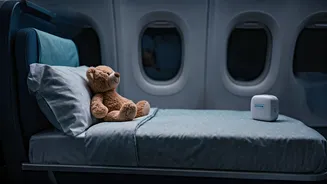
A new sleeping location can often feel unsettling for toddlers, making it difficult for them to drift off to sleep. To ease this transition and create a sense of security in unfamiliar hotel rooms or relatives' homes, pack familiar comfort items. Bringing along your child's favorite stuffed animal, a beloved blanket, or a cherished toy can make a significant difference. These objects act as tangible links to their home environment and provide a sense of normalcy and reassurance. When a toddler has these familiar items close by, they are more likely to feel secure and consequently, sleep more soundly, even when far from their own bed.
Guard Sleep Schedule
Travel itineraries can easily disrupt a toddler's established sleep schedule, leading to overtiredness and meltdowns. It's crucial to strive to keep nap times and bedtime as close as possible to their regular routine. An overtired toddler struggles immensely to fall asleep, often resulting in crankiness and tantrums. By consciously managing their sleep, even with minor adjustments, you help align their internal body clock. This alignment ensures they are more likely to fall asleep easily and experience restorative sleep, preventing the cycle of exhaustion and irritability that can mar travel experiences.
Create Sleep Haven
The immediate environment where your toddler sleeps plays a pivotal role in their ability to rest. When traveling, parents should aim to replicate a dark, quiet, and comfortable sleeping space. Minimizing external stimuli like excessive noise or bright lights is paramount. Consider using blackout curtains to darken the room and earplugs or white noise machines if the environment is noisy. Playing soft, calming music can also create a tranquil atmosphere. A serene and undisturbed sleeping environment will significantly aid your toddler in falling asleep more quickly and staying asleep longer.
Limit Screen Time
While the temptation to occupy toddlers with devices like tablets or phones during travel can be strong, it's important to be mindful of their impact on sleep. The blue light emitted from screens can interfere with the production of melatonin, a hormone essential for sleep. This can make it harder for toddlers to fall asleep and reduce the quality of their rest. Therefore, it's advisable to avoid screen usage for at least an hour before your toddler's intended bedtime. Opt for quieter, screen-free activities instead to promote a more relaxed transition to sleep.
Travel During Sleep
A clever strategy to ensure your toddler gets adequate rest during travel is to plan longer journeys, such as car rides or flights, around their natural sleep times. Many toddlers find the gentle motion of vehicles soothing, which can help them drift off to sleep easily. By scheduling travel during their usual nap times or overnight, you can turn travel time into sleep time. This approach allows your child to arrive at your destination well-rested, minimizing potential disruptions to their sleep pattern and avoiding overtiredness that can lead to fussiness.
Embrace Flexibility
Despite your best planning efforts, toddlers may still encounter difficulties adjusting to a new sleeping environment. In such instances, parental patience and flexibility are key. Understand that it can take some time, perhaps a day or two, for your child to fully adapt to the changes. Rather than becoming frustrated, offer reassurance and support. A calm and adaptable approach from parents helps toddlers feel more secure and less anxious, which in turn promotes a more positive and successful transition to sleeping in an unfamiliar place.