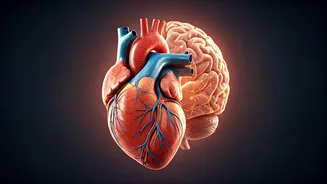








Early Warning Signs
The medical podcast emphasizes that the heart may exhibit early signs of distress before any significant physical symptoms become apparent. The mental
and emotional state of an individual can serve as a canary in the coal mine, potentially indicating underlying heart health issues. The podcast suggests that changes in mood, increased stress levels, and persistent feelings of anxiety or depression might be precursors to more severe heart problems. Regular check-ups and paying close attention to one's mental state can be invaluable in identifying potential cardiovascular risks early on. Furthermore, the podcast encourages individuals to consult healthcare professionals when experiencing persistent emotional imbalances, because mental well-being is intrinsically linked to physical health and should not be overlooked when assessing heart health.
Cholesterol: Unraveling Truth
The article's discussion of cholesterol, as explored by a cardiologist, clarifies common misconceptions surrounding this crucial aspect of health. The podcast reveals that public understanding of cholesterol is often skewed, leading to unnecessary fear and potentially incorrect lifestyle choices. A key point emphasizes the distinction between different types of cholesterol – LDL (often dubbed 'bad' cholesterol) and HDL (referred to as 'good' cholesterol). The podcast advocates for a holistic view that considers the balance between these cholesterol types, rather than focusing solely on overall numbers. It underscores the importance of a balanced diet, regular exercise, and, if necessary, prescribed medications, to manage cholesterol levels effectively. The cardiologist aims to debunk prevailing myths and empower individuals with accurate information.
Holistic Health Approach
The article ultimately promotes a comprehensive approach to health, uniting mental and physical well-being. It underscores that recognizing the interplay between emotions, stress, and heart health is crucial for preventative care. The medical podcast advocates for open discussions about mental health, regular check-ups with healthcare professionals, and adopting lifestyle changes to optimize heart health. Moreover, it encourages individuals to develop healthy coping mechanisms for stress, which indirectly supports cardiovascular health. The approach highlights the significance of dietary choices, physical activity, and stress management in maintaining a healthy heart. It urges individuals to approach their health from a holistic perspective, acknowledging the interconnectedness of their physical and emotional states.