






Rethinking Weight Loss Metrics
The common obsession with the number displayed on a weighing scale often overshadows a more critical aspect of health: what that weight is actually composed
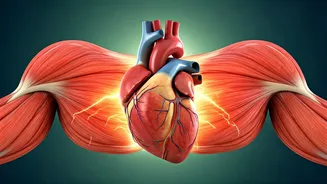
of. Experts are now urging a paradigm shift, moving away from mere weight reduction to a deeper understanding of body composition. This means paying attention to the balance between fat mass and lean muscle mass. Dr. Anjali Hooda, an expert in obesity and metabolic diseases, emphasizes that simply losing weight isn't the ultimate goal; it's about reducing body fat while diligently preserving or even enhancing muscle tissue. The significance of muscle extends beyond physical appearance; it's a vital component for a robust metabolism and overall physiological function. A drastic loss of muscle can detrimentally affect metabolic rate, making sustained weight management more challenging and potentially contributing to other health complications. Therefore, the conversation needs to evolve from 'how much weight' to 'what kind of weight' is being lost.
Metabolic Health: The True Goal
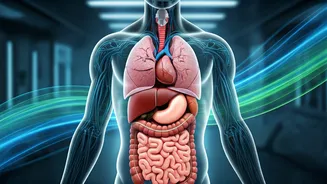
Metabolic health is the cornerstone of well-being, reflecting how efficiently our bodies utilize and process nutrients and energy. Key indicators such as stable blood sugar levels, healthy blood pressure, and optimal cholesterol profiles are direct reflections of our metabolic status. A deliberate focus on fat loss, as opposed to a generalized reduction in weight, often leads to significant improvements in these crucial health markers, even if the scale shows minimal movement. Body Mass Index (BMI), while a widely used tool, presents a significant limitation: it fails to distinguish between muscle and fat. This means an individual with a high degree of muscle mass might receive an inaccurate classification of being overweight or obese. To gain a more precise understanding of one's health, Dr. Hooda suggests prioritizing metrics like body fat percentage and waist circumference, which offer a clearer picture of metabolic well-being.
Strategies for Fat Loss
Achieving healthy fat loss and enhancing metabolic health requires a multifaceted approach that prioritizes sustainable lifestyle changes over quick fixes. A cornerstone of this strategy is a balanced dietary intake, ensuring a plentiful supply of protein and fiber, which are essential for satiety and muscle preservation. Complementing dietary efforts, regular engagement in strength training exercises is paramount for building and maintaining muscle mass. This form of exercise not only helps in increasing muscle tissue but also boosts metabolism. Furthermore, adequate sleep plays an underestimated yet crucial role in hormonal regulation and recovery, supporting fat loss efforts. Dr. Hooda's advice centers on cultivating habits that nourish the body, encourage regular physical activity, and effectively manage stress. By embracing these principles, individuals can naturally achieve fat loss and, consequently, improve their overall metabolic health, leading to a more resilient and vibrant state of being.
Body Composition Over BMI
Dr. Thomas Paloschi, a specialist in preventative age management, champions the idea that our focus should be on body composition rather than the singular metric of body weight. He posits that 'body weight is not one thing; it’s the sum of bone, fat, muscle, and everything else.' This perspective highlights that a declining scale number can be misleading if it signifies muscle loss. The ideal scenario for improved health, even if the scale remains static, involves a reduction in visceral fat coupled with maintained or increased lean mass. Both BMI and simple weight measurements are inadequate because they cannot differentiate between fat loss and lean mass loss. Dr. Paloschi identifies key metrics that truly matter: lean mass (which should be protected and built), fat mass (especially its distribution), and bone density (a vital longevity indicator). He asserts that 'weight is a number. Body composition is the signal. And metabolic health is the goal.'
Accurate Measurement Techniques
Understanding body fat percentage offers a more accurate assessment of health than BMI, as it reveals the distinction between fat and lean mass. For instance, two individuals with identical BMIs can possess vastly different body compositions – one might be predominantly muscular, while the other carries more body fat. While MRI is considered the gold standard for its detailed insights into visceral versus subcutaneous fat, its impracticality due to cost and time constraints limits its widespread use. DEXA scans present a more accessible option, providing a relatively quick and cost-effective method to measure lean mass, fat mass, and bone density with minimal radiation exposure. Home-use Bioelectrical Impedance Analysis (BIA) scales, though less accurate and highly sensitive to hydration levels, can still be useful for tracking general trends over time if used consistently under similar conditions. These methods allow for a more nuanced view of one's health journey.
Understanding Types of Fat
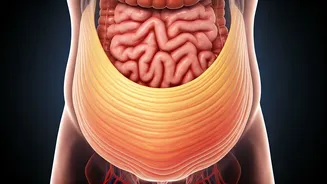
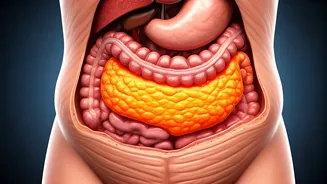
Body fat can be broadly categorized into two main types: subcutaneous fat and visceral fat. Subcutaneous fat is located just beneath the skin and outer layers of muscle fascia, and it's often what people refer to when discussing body fat that may obscure abdominal definition. In contrast, visceral fat is found deeper within the abdominal cavity, surrounding vital organs like the liver, kidneys, spleen, and intestines. Dr. Paloschi highlights that visceral fat is particularly detrimental, as it is strongly linked to metabolic diseases. Therefore, if one could monitor only a single health metric related to fat, understanding the proportion of visceral fat would be the most impactful choice. Managing this type of fat is crucial for improving overall metabolic health and reducing the risk of associated health issues.
Optimal Body Fat and Longevity
The pursuit of extremely low body fat percentages is not necessarily optimal for health, as mortality risk significantly increases at body fat levels of 35-40 percent. Genetics also play a role; some individuals may find it challenging to drop below 15-18 percent body fat even with rigorous adherence to healthy practices. Therefore, the most beneficial objective is to maintain a body fat percentage towards the lower end of one's natural genetic range, rather than striving for an absolute minimum. Moreover, skeletal muscle mass is identified as a critical, yet often underrated, factor for longevity. Studies indicate that greater skeletal muscle mass is independently associated with a lower risk of mortality. This underscores the importance of prioritizing muscle preservation and growth, suggesting that strategies focusing on building lean muscle might be more advantageous than solely aiming for weight reduction, especially when body fat is in the 25-30 percent range. The aim is a body with more lean muscle, less visceral fat, and improved insulin sensitivity, recognizing that 'the scale can change even if your health improves. Weight is what you see. Metabolic health is what runs the system.'