



Denali's Majestic Presence
Denali National Park, nestled deep within Alaska's interior, is a vast expanse covering six million acres of diverse terrain, including mountains, tundra,
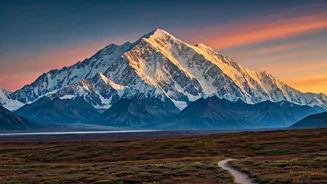
and boreal forests. At its heart stands Denali, formerly known as Mount McKinley, a peak that commands awe as the tallest mountain in North America. What's truly remarkable is its sheer scale; its base-to-peak vertical rise measures approximately 18,000 feet, a measurement that actually exceeds the 17,000 feet of Mount Everest. Beyond its imposing summit, the park offers a profound sense of wildness, a place where visitors can experience a landscape that feels genuinely untouched. The park's remoteness contributes significantly to its allure, offering an escape from the hustle and bustle of more populated national parks. This isolation means fewer crowds, allowing for a more intimate connection with nature and a feeling of having the vast wilderness almost to oneself. This is a destination where the elements dictate the experience, emphasizing the need for preparedness and a spirit of adventure.
Unforgettable Park Experiences
Experiencing Denali National Park offers a range of unforgettable moments, from witnessing the grandeur of its namesake mountain to encountering its remarkable wildlife. A prime experience is catching the sunrise over Denali from Sable Pass, located at Mile 39 on the Denali Park Road, offering a breathtaking panorama as the light paints the peak. The park's internal shuttle system provides a unique and scenic bus ride, allowing visitors to traverse the park's main thoroughfare and observe the stunning landscapes unfold. For wildlife enthusiasts, Denali is a haven, home to iconic North American mammals such as grizzly bears, wolves, moose, and caribou, all thriving in their natural habitat. Observing these animals in their environment is a highlight for many visitors. Demonstrations by park rangers showcasing traditional dog sledding provide an educational and engaging glimpse into Alaskan culture and history. As night falls, the park transforms into a celestial theater, with minimal light pollution making it an ideal spot to marvel at the night sky, including brilliant displays of the Milky Way, particularly around the Savage River or Teklanika River areas.
Planning Your Visit
A trip to Denali National Park requires some thoughtful planning to maximize your experience and ensure safety. The park operates on a seasonal basis, with most facilities and services, including the popular park shuttles, running from late May through mid-September. Outside this window, services are limited, and conditions can be challenging. The entrance fee is $15 per person for a seven-day pass, with an annual pass costing $45. It's important to note that the park does not accept cash payments. A key logistical consideration is the Denali Park Road; during the summer, private vehicles are restricted beyond Mile 15 (Savage River checkpoint). For those planning to explore deeper into the park, the park's shuttle system is essential. Be aware that road conditions can change; a landslide has closed the park road past Mile 43, with reopening scheduled for 2027. Winter access is even more limited, with the park road only open up to Mile 3. Checking the park's official website for the most current information on road status, closures, and service availability is highly recommended before your visit. Due to the unpredictable Alaskan weather, packing layers, rain gear, and being prepared for potential pests like mosquitoes is advisable. For remote backcountry exploration, carrying bear spray and understanding its use is crucial, especially when venturing off-trail. Cell service can be spotty, so consider a satellite phone for emergencies.
Best Times to Explore
The optimal time to visit Denali National Park largely depends on the kind of experience you are seeking. The peak tourist season, from June through August, offers the warmest weather, full operational capacity of park services, and the highest chances of encountering wildlife. The extended daylight hours during these months are perfect for extensive exploration, sightseeing, and photography. For those who prefer fewer crowds and appreciate the subtle beauty of nature, the shoulder seasons of May and September are excellent choices. During these months, you'll find beautiful lighting, the beginnings of fall colors, though some amenities might have reduced services. Winter, from October through April, transforms Denali into a snow-covered wonderland. This period is ideal for activities like cross-country skiing and snowshoeing, and for those hoping to witness the magical Northern Lights. However, access during winter is significantly restricted, with the park road only open near the entrance. Each season presents its unique charm and challenges, so choosing based on your interests will lead to the most fulfilling visit.
Reaching the Park
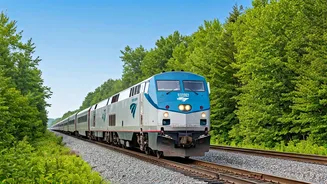
Getting to Denali National Park involves a few key travel considerations, with air travel being the most common starting point. The closest major airport is Fairbanks International Airport (FAI), located approximately a two-hour drive from the park entrance. Alternatively, Ted Stevens Anchorage International Airport (ANC) is another popular gateway, though it requires a longer drive of about five hours. Both Fairbanks and Anchorage are conveniently connected to Denali via the George Parks Highway, a direct route leading to the park's main entrance. For travelers who prefer not to drive, the Alaska Railroad offers a scenic transportation option from May through September, providing a comfortable and picturesque journey to the park. This rail service is a popular choice for those looking to enjoy the Alaskan landscape without the responsibility of driving.
Top Activities and Adventures
Denali National Park offers a wealth of activities designed to immerse visitors in its wild beauty. Wildlife spotting is paramount; the park is renowned for its roadside viewing opportunities, where large mammals like grizzly bears, caribou, and Dall sheep are frequently sighted. Shuttle buses often make impromptu stops to allow for observation without disturbing the animals. Sable Pass at Mile 39 is a particularly good location for spotting these iconic creatures. Engaging with the park's natural and cultural history is made accessible through free ranger-led programs. These include guided walks, educational talks, and demonstrations, such as the popular dog sled demonstrations, offering invaluable insights. For the truly adventurous, exploring the Denali backcountry is a signature experience. The park allows for off-trail exploration, offering a chance to forge your own path through the wilderness. Free backcountry permits are required for camping and can be obtained at ranger stations. For those seeking a broader perspective, aerial tours provide breathtaking views of Mount McKinley, vast glaciers, and inaccessible valleys, with some tours even including glacier landings. The minimal light pollution also makes Denali an exceptional location for stargazing, with opportunities to see the Milky Way and, in winter, the Northern Lights.
Hiking Trails Galore
While Denali National Park is celebrated for its vast, untamed wilderness and opportunities for off-trail exploration, it also offers several marked hiking trails for various skill levels. The Horseshoe Lake Trail is a gentle, approximately two-mile loop that meanders through forests and offers chances to see beavers or moose near the water, making it ideal for families and novice hikers. For those seeking elevation and panoramic vistas, the Mount Healy Overlook Trail presents a challenging climb but rewards hikers with sweeping views of the park entrance area and the distant Alaska Range peaks, best suited for experienced trekkers. The Savage River Loop Trail is a more accessible, roughly 1.7-mile route that follows the Savage River, providing a taste of the park's interior mountain scenery without venturing too deep. A more extensive option, the Triple Lakes Trail, can take four to five hours to complete, leading hikers through varied terrain including forests, wetlands, and alpine areas, with options for overnight backpacking with a permit. These trails offer diverse ways to experience Denali's landscapes on foot.
Accommodations and Dining
Options for lodging and dining near Denali National Park cater to various preferences and budgets, primarily operating seasonally from May through September. Inside the park, the National Park Service offers campgrounds, with Riley Creek Campground being a convenient option near the entrance, open year-round. Additional seasonal campgrounds are situated further along the park road, accessible via the shuttle service, and typically require advance reservations. Privately operated lodges also exist within the park's interior, offering a more secluded experience. Just outside the park entrance, you'll find a range of hotels and cabins. Denali Park Village, located eight miles from the entrance, offers riverside views and on-site dining and tours. Crow's Nest Alaskan Log Cabins provides a mountainside retreat with private cabins and amenities like a restaurant and hot tub. For a truly remote experience, Kantishna Roadhouse, deep within the park, offers an off-grid wilderness immersion accessible by small plane. Dining options often focus on hearty Alaskan fare. Denali Park Village's dining room offers fresh fish and stews, while the 2032 Grill serves pub-style dishes. The Last Frontier Restaurant is a favored spot for craft beer and Alaskan specials. For a more casual experience, try the Peach's Restaurant in Healy for brunch or dinner, known for its baked goods and coffee.