


The Traditional Struggle
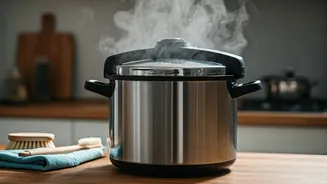
The conventional method of draining pasta often involves a chaotic ballet of balancing a heavy pot over a colander, battling blasts of steam that fog up
glasses and pose a burn risk. This involves a frantic rush to transfer the cooked noodles back to a pan to finish with sauce, a process that is unnecessarily complicated and doesn't inherently improve the final dish. It’s a familiar scene of kitchen anxiety, where the fear of losing pasta down the drain or scalding oneself is a common companion to dinner preparation. This common practice, while deeply ingrained, is far from the most efficient or effective way to prepare pasta.
Chef's Secret Revealed
Professional kitchens rarely employ the colander method; instead, they opt for a far more streamlined approach. Cooks typically utilize tools like a spider skimmer or tongs to lift pasta directly from its cooking water into the awaiting sauce. This technique is not only more efficient for high-volume cooking but also crucial for creating that coveted, glossy, emulsified sauce. The starchy water, rich with dissolved starches, acts as a natural binder, helping to meld fats and liquids into a cohesive coating for the pasta. This is a foundational step in achieving restaurant-quality texture and flavor in your own home.
The Seamless Transition
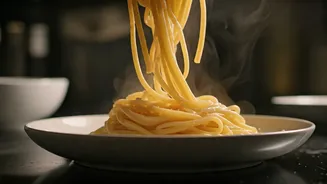
Implementing this smarter pasta technique is remarkably straightforward. For longer pasta shapes, tongs are your best friend, while a spider strainer works wonders for shorter varieties. The key is to transfer the pasta when it's just shy of being perfectly cooked, or 'al dente.' Don't shy away from the clinging water; this starchy liquid is precisely what you need. It will serve as a vital emulsifier, preventing oil and water from separating and instead creating a unified, lustrous sauce that clings beautifully to every strand. A small additional ladle of pasta water into the sauce, combined with gentle heat and stirring, will work magic, transforming the sauce into a perfect coating.
Benefits Beyond Taste
Beyond the superior sauce consistency, this method offers tangible practical advantages. It eliminates the high-stakes dash from the stove to the sink, removing the risk of spills and burns associated with handling a heavy, scalding pot. Furthermore, it means one less piece of equipment, like a colander, to wash, simplifying your post-meal cleanup routine. You can safely dispose of the hot pasta water at your leisure, once it has cooled significantly. In essence, this approach is not only faster and safer but also directly contributes to a more delicious and visually appealing pasta dish. It’s a simple adjustment that yields significant improvements.