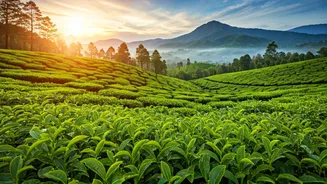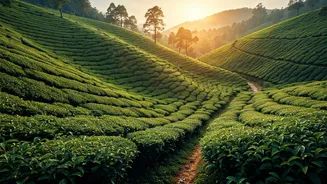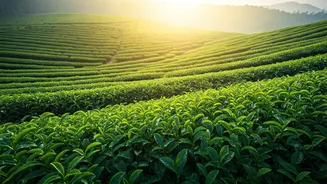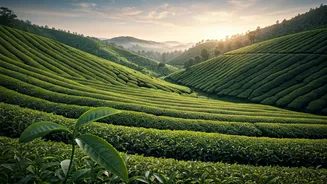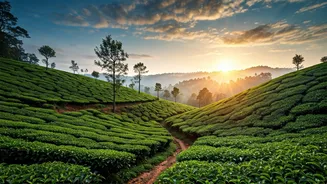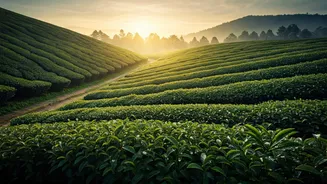






Chabua: The Pioneer
Emerging in 1837, Chabua Tea Estate in Assam holds the distinction of being arguably India's inaugural tea garden. This estate was instrumental in setting
the wheels in motion for the country's commercial tea cultivation. Its name, meaning "tea water," deeply reflects its core identity. Chabua is still recognized for its characteristically potent Assam teas, celebrated for their full-bodied flavour and deep, inviting colour. The estate’s establishment marked a pivotal moment, laying the groundwork for the vast tea industry that flourishes across India today and solidifying Assam’s reputation for producing some of the world's most robust teas.
Manohari: Artisanal Excellence
Established towards the close of the 19th century, Manohari Tea Estate, situated in the prolific Dibrugarh region of Assam, has carved a niche for itself by producing exceptional orthodox teas. This estate masterfully blends time-honored cultivation methods with contemporary approaches, even venturing into crafting small-batch, artisanal tea varieties. Its enduring presence and unwavering commitment to superior quality have cemented its status as a highly esteemed name among discerning tea enthusiasts. Manohari's dedication to maintaining traditional practices while embracing innovation ensures its continued relevance and appeal in the competitive global tea market.
Happy Valley: Darjeeling's Gem
Founded in 1854, Happy Valley Tea Estate stands as one of Darjeeling's most ancient and emblematic tea gardens. Nestled amidst the picturesque Himalayan foothills, this estate is the source of the globally renowned Darjeeling tea, often hailed as the "champagne of teas." Beyond its exceptional produce, the estate also attracts numerous visitors, offering them an immersive experience into the intricate processes of traditional tea preparation. Its scenic location and historical significance make it a must-visit for anyone interested in the world of fine teas and the unique terroir of Darjeeling.
Singampatti: Southern Aromas
Residing in the verdant Nilgiri hills, Singampatti Tea Estate's origins trace back to the mid-19th century. This estate represents a significant expansion of tea cultivation into southern India, flourishing amidst abundant biodiversity and rolling hills. It is particularly noted for its smooth, perfumed Nilgiri teas, which possess distinct characteristics that set them apart from the bolder profiles of Assam and Darjeeling varieties. The estate's setting contributes to the unique aromatic qualities of its teas, showcasing the diverse tea-growing regions of India.
Dunsandle: Nilgiri's Fragrance
Dating back to the 19th century during the British colonial era, Dunsandle Tea Estate is counted among the earliest tea plantations established in the Nilgiris. The estate’s location within this region grants it a distinctive microclimate, instrumental in cultivating fragrant teas that exhibit a light, crisp, and invigorating character. Its historical presence underscores the progressive spread of tea cultivation beyond the traditional northeastern territories, highlighting the geographical diversity of India's tea-producing landscapes and the unique flavour profiles that arise from them.