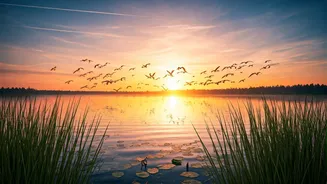

A Solar Transition
Makar Sankranti's essence lies in the sun's movement into the Capricorn zodiac sign. This celestial shift typically happens on January 14th each year,
and it is a universally celebrated occasion throughout India. The festival is not tied to the lunar calendar, which ensures the date's consistency. This solar event holds considerable significance in Hinduism, representing the transition from the winter months and the beginning of the sun's northward journey, known as Uttarayana. This period is regarded as auspicious for starting new ventures and undertaking spiritual practices, reflecting a belief in new beginnings and positivity. The consistent date allows everyone to come together in celebration, ensuring that the essence of Makar Sankranti remains the same even with the various cultural practices.
Deities and Worship
Specific deities are revered during Makar Sankranti, varying across different regions. The sun god, Surya, holds the utmost importance. Prayers and offerings are made to Surya, acknowledging the sun's life-giving energy and its influence over the new harvest season. The festival often involves the worship of other deities, reflecting the diverse religious practices prevalent in India. In some areas, the focus may be on local deities associated with agriculture and prosperity. This diversity in worship further enriches the cultural significance of the festival, highlighting the interconnectedness of spirituality and nature. The common thread, however, remains a veneration of the sun's life-sustaining power and a hope for a bountiful future.
Regional Celebrations
Makar Sankranti is celebrated with diverse traditions and names across India. In Maharashtra and Gujarat, it's a day of kite flying, with colorful kites filling the skies, symbolizing freedom and joy. The exchange of sesame seeds (til) and jaggery (gud) is a customary practice, representing warmth and sweetness, along with the idea of letting go of past bitterness. In Tamil Nadu, the festival is known as Pongal, a four-day harvest festival. It involves boiling rice in milk and jaggery as an offering to the sun god, symbolizing prosperity. In Punjab, it aligns with Lohri, the eve of Makar Sankranti, celebrated with bonfires and festive dances. Each region's approach reflects its unique cultural heritage, making Makar Sankranti a vibrant mosaic of Indian traditions.
Spiritual Significance
Beyond its festive aspects, Makar Sankranti carries profound spiritual importance. The day is considered auspicious for spiritual practices and charitable deeds. It's believed that performing good deeds during this time yields increased blessings. Many take holy dips in sacred rivers like the Ganges, Yamuna, and Godavari, believing these actions will cleanse them of their sins. The northward journey of the sun, Uttarayana, is considered the period when celestial energies are at their peak. It's a time for introspection, new beginnings, and pursuing spiritual growth. The festival encourages individuals to reflect on their lives and renew their commitment to their spiritual path, emphasizing the importance of dharma and ethical conduct.
Making It Personal
Participating in Makar Sankranti can be done in multiple ways, whether you're celebrating it for the first time or the hundredth. If you're new to the festival, research the local customs and traditions in your area. This will help you appreciate the depth of the celebration. Prepare traditional dishes, such as til ladoos, and share them with your loved ones. Consider visiting a temple or attending local events. For a deeper experience, engage in acts of charity, such as donating to those in need. Whatever you do, approach the occasion with an open heart and a willingness to learn. This way, you can gain a deeper understanding of Makar Sankranti and the values it represents, making it a truly enriching experience.