




A Garden Icon Reimagined
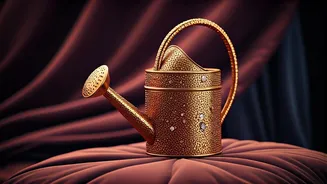
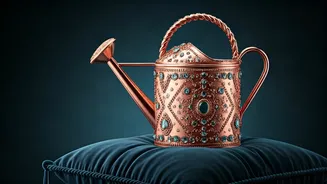
In a move that has certainly turned heads within the fashion world, a renowned luxury house has elevated a utilitarian garden essential – the watering
can – into an extravagant accessory. This reimagined item, fetching a price tag of approximately Rs 4.3 lakh, has become a significant talking point online. At first glance, its form factor strongly evokes the familiar silhouette of a tool typically found in a garden shed. However, upon closer inspection, its designer origins become evident. The entire exterior is enveloped in the brand's iconic monogrammed canvas, meticulously shaping the bag to mirror the classic structure of a watering can, complete with its signature spout. Functionality is also considered, featuring a robust top handle for traditional carrying and an accompanying detachable leather strap, offering the versatility of shoulder or cross-body wear. This unique creation is a standout piece from the Men’s Spring/Summer collection, which, under the creative direction of Pharrell Williams, embraces the overarching theme of 'nurturing growth,' making the watering can bag a literal embodiment of this concept.
Design Philosophy and Consumer Appeal
This distinctive accessory, part of a broader collection that includes other intriguing items like mesh hats and teddy bear charms, is priced at €3,800. According to fashion expert Rinkoo Tulsian, with over 15 years in the industry, the allure of such novel luxury pieces often transcends traditional craftsmanship. Instead, their primary draw appears to be the significant attention they command. Tulsian suggests that consumers are increasingly drawn to items that are inherently attention-seeking, prioritizing distinctiveness over conventional creative expression. In today's market, there's a discernible appetite for the unconventional, for pieces that immediately capture the eye and diverge from the norm. Luxury brands are adept at understanding and leveraging this consumer psychology, particularly appealing to those who value exclusivity and the statement-making potential of their purchases. For some buyers, the motivation is simply to own something unique, a conversation starter that adds an unconventional element to their wardrobe, regardless of whether it possesses deep artistic merit or conventional aesthetic appeal. This approach reflects a calculated strategy by high-fashion houses to remain perpetually in the public eye and relevant.
Luxury, Relevance, and Future Fashion
The development of such bold accessories is viewed as a strategic move by luxury labels to maintain their prominent position and continuous presence in public discourse. The creative teams within these brands, especially under visionary directors like Pharrell Williams, are consistently pushed to innovate and think beyond established boundaries. However, Tulsian posits a personal philosophy where true fashion should embody sustainability and timelessness, suggesting that items lacking longevity might not align with this definition of authentic fashion. When considering the impact of these trends on younger demographics, such as Gen Z and millennials, the expert notes that their fashion choices are not uniform. Tulsian identifies two distinct groups within Gen Z: one segment is highly focused on sustainable and value-driven fashion, while another is driven by impulse and the desire for novelty purchases. This divergence leads to a societal landscape marked by these two extremes. Consequently, Tulsian anticipates that this particular product, while currently generating buzz, may not have enduring appeal, characterizing it primarily as an attention-grabbing novelty rather than a lasting fashion statement.