






Understanding Knee Osteoarthritis
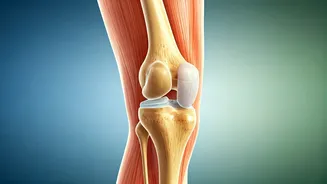
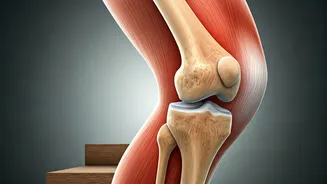
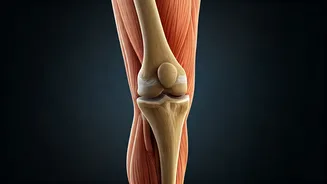
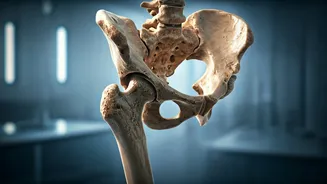
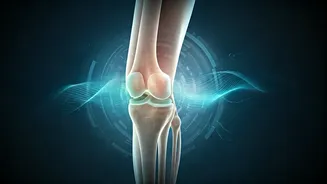
Knee osteoarthritis, a widespread condition affecting around 30% of adults over 45, stems from the progressive breakdown of protective cartilage within
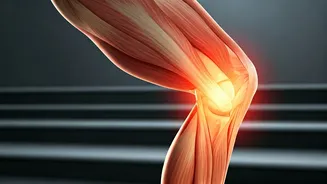
knee joints. This degeneration leads to a cascade of uncomfortable symptoms, including persistent pain, noticeable inflammation, and a significant restriction in joint movement, often referred to as stiffness. As individuals advance in age, their susceptibility to developing this ailment escalates, with knee joints being particularly vulnerable due to the constant weight-bearing and motion they endure. While exercise is a commonly sought-after remedy for managing the condition, a clear consensus on which specific types yield the most advantageous results has been lacking, until now. Understanding the underlying cause of cartilage wear and tear is crucial for appreciating why certain interventions prove more effective than others in mitigating its impact.
Aerobic Exercise: The Champion
A meticulous review encompassing 217 randomized clinical trials, involving over 15,684 participants and spanning from 1990 to 2024, has spotlighted aerobic exercise as the preeminent form of physical activity for alleviating knee osteoarthritis. This extensive meta-analysis, which rigorously assessed the quality of evidence using the GRADE approach, found compelling moderate-certainty evidence that aerobic activities consistently lead to pain reduction in both the short and mid-term. Furthermore, the benefits extend to significant enhancements in physical functioning across all measured timeframes, as well as improvements in gait and overall quality of life during the initial stages of treatment. Exercises such as brisk walking, cycling, and swimming, all falling under the umbrella of aerobic activity, were identified as particularly impactful, offering the most robust positive outcomes compared to other exercise modalities.
Beyond Aerobics: Complementary Approaches
While the study unequivocally champions aerobic exercise, it also acknowledges the supportive roles of other physical activity types in managing knee osteoarthritis. The findings suggest that mind-body exercises, which integrate mental focus with physical movement, proved effective in providing short-term functional improvements. Similarly, neuromotor training, designed to enhance balance and coordination, was beneficial in refining walking patterns. Resistance or strengthening exercises also demonstrated a positive impact on physical function, contributing to overall joint health and stability. These modalities are best considered as supplementary to, rather than replacements for, primary aerobic interventions, offering a holistic approach when combined with cardiovascular activities for comprehensive management.
Safety and Recommendations
Crucially, the comprehensive review found no increased risk of adverse events associated with any form of exercise when compared to control groups, reinforcing exercise as a safe and effective strategy for individuals with knee osteoarthritis. Despite minor limitations, such as variations in study quality and a lack of extensive long-term follow-up in certain areas, the study provides the most detailed comparison of exercise therapies to date. Researchers strongly recommend aerobic exercise as the initial choice for managing knee osteoarthritis, especially when the primary goals are to enhance the ability to perform daily activities and to decrease pain levels. For those unable to participate in aerobic activities, the findings suggest that alternative structured physical activities can still offer considerable benefits, ensuring a pathway to improved joint health for a wider range of individuals.