






Introducing Namo Bharat
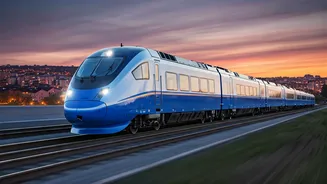
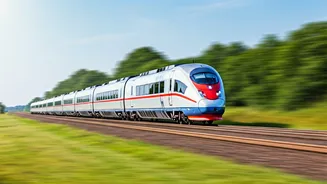
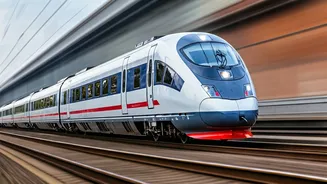
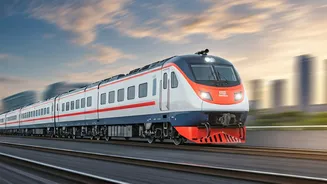
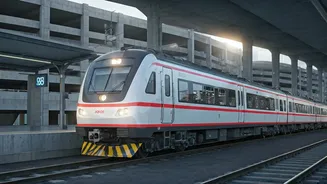
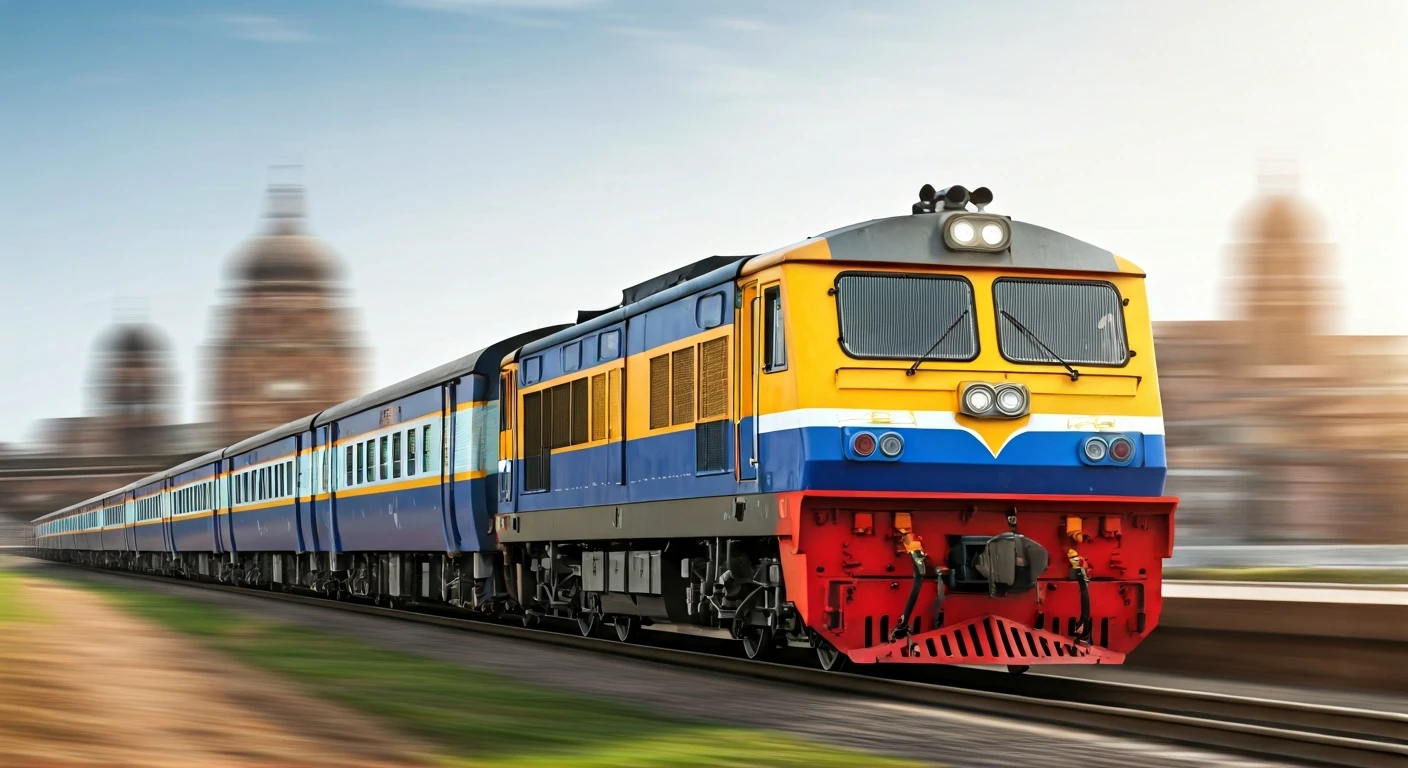
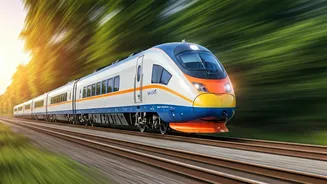
Namo Bharat stands as India's inaugural Regional Rapid Transit System (RRTS), engineered for swift and efficient connections between significant urban
centers. This ambitious network spans approximately 82 kilometers, initiating its journey from Sarai Kale Khan in Delhi and extending all the way to Modipuram in Meerut. Designed with intercity rapid rail principles, its operational speed reaches up to 160 km/h, with a design speed of 180 km/h, significantly reducing transit times for those undertaking longer distances. The system prioritizes speed, featuring fewer stops primarily at major transit hubs, effectively functioning as a high-speed rail artery. Its core mission is to facilitate rapid movement between cities, acting as a crucial link in regional connectivity and transforming the commuting experience for long-distance travelers.
Understanding Meerut Metro
Complementing Namo Bharat's long-distance focus, the Meerut Metro is tailored for the specific needs of intra-city transit. This service operates on a 23-kilometer stretch within Meerut, from Meerut South to Modipuram, encompassing 13 strategically located stations. Its purpose is to provide frequent and accessible transportation for local commuters, facilitating shorter, everyday journeys. With an operational top speed of approximately 120 km/h, it ensures convenient movement within the city's boundaries. This system is ideal for residents, students, and professionals requiring regular access to various parts of Meerut, making daily commutes smoother and more efficient for a vast number of people within the urban landscape.
Key Differences Highlighted
The divergence between Namo Bharat and Meerut Metro lies fundamentally in their intended use and operational parameters. Namo Bharat is built for speed and distance, covering an 82 km route with fewer stops and designed for intercity travel at speeds up to 180 km/h, becoming operational at 160 km/h, connecting Delhi and Meerut in roughly 55-58 minutes. Conversely, Meerut Metro focuses on intra-city connectivity over a 23 km route, with numerous stops and a top operational speed of 120 km/h, completing journeys within Meerut in about 30 minutes. This distinction ensures Namo Bharat caters to long-haul travelers seeking rapid transit between cities, while Meerut Metro serves the daily needs of local residents for convenient urban mobility.
Integrated Track Usage
A notable aspect of this new transport infrastructure is the shared utilization of tracks and stations between Namo Bharat and Meerut Metro in specific areas within Meerut. Stations such as Shatabdi Nagar, Begumpul, Meerut South, and Modipuram are designed to accommodate both services, allowing passengers a seamless transition from a metro ride to a rapid rail journey without the need to change platforms or exit the station. This integrated approach, a first for India on such a scale, signifies a significant advancement in creating a unified public transportation network, simplifying multimodal travel and enhancing passenger convenience across the region.
Impact on Daily Commuters
The advent of this combined transit system is set to be a transformative development for daily commuters, particularly those traveling between Delhi and Meerut. Previously, road travel could be arduous, taking several hours due to traffic congestion. Now, the rapid rail option drastically reduces this travel time to under an hour. Furthermore, the intra-city metro service in Meerut provides a swift 30-minute transit across the city, significantly improving local mobility. This enhanced public transport is expected to alleviate road congestion, potentially leading to reduced traffic, improved air quality, and stimulated local economies. The improved connectivity also influences real estate dynamics, with increased interest in properties in both Delhi for its office proximity and Meerut for its quieter lifestyle coupled with fast rail access.