



The Perils of Haste
Many DIY endeavors, despite their simple initial appeal, often unravel due to a lack of thorough preparation. Tasks like fixing a drawer or tightening
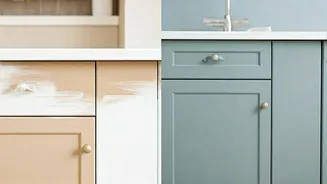
a loose hinge can quickly escalate into complex problems if the foundational steps are rushed or ignored. The real culprits behind these escalating difficulties are frequently not grand errors, but rather the overlooked minutiae that lead to significant time expenditure correcting mistakes. Experts frequently point out that neglecting essential groundwork, such as the meticulous cleaning and priming required before painting cabinets, results in subpar finishes and the need for extensive rework. This mirrors gardening scenarios where using dull pruning shears, for instance, not only makes the job harder but can also inflict damage on plants, potentially leading to their neglect. Research, like that published in Horticultural Science, underscores that correct techniques and timely interventions are crucial for plant health and a garden's overall vitality, illustrating how even seemingly minor procedural errors can have substantial consequences.
Tool Misuse & Planning Gaps
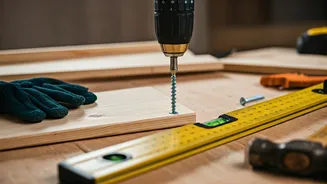
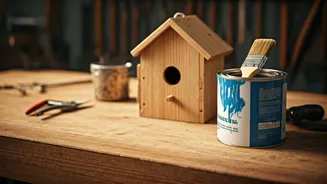
A significant number of DIY enthusiasts fall into the trap of using tools for purposes they weren't designed for, such as employing a screwdriver as a makeshift lever. This not only compromises efficiency but also heightens the risk of damaging both the equipment and the project material. Furthermore, the allure of quick fixes presented in online videos often leads individuals to dive into repairs without comprehensive planning, overlooking critical aspects like safety and the necessary prerequisites for the task. This is compounded by a potential lack of adequate tools or instructions, transforming what should be a straightforward fix into an unnecessarily convoluted and time-consuming ordeal. The advice from sources like Angi's guides strongly advocates for employing the correct implements for each job and maintaining them diligently to ensure optimal performance and longevity, emphasizing that the right tool, used correctly, is paramount.
Boosting Efficiency & Comfort
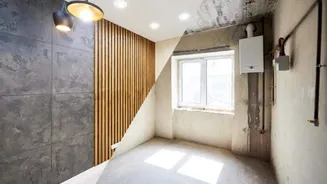
Investing in small upgrades can dramatically simplify home maintenance and improve living conditions. Enhancements like better insulation and more efficient lighting systems contribute significantly to a home's overall functionality and reduce the frequency of necessary repairs. Industry reports, such as the Houzz & Home Study 2024, indicate that homeowners who prioritize these energy-efficient improvements often experience lower upkeep demands and greater comfort over the long term. Proper insulation helps maintain consistent indoor temperatures, while well-designed lighting improves visibility and usability without escalating energy consumption. These integrated changes create a more harmonious and less demanding living environment, proving that strategic improvements can lead to substantial benefits and reduced future effort.
The Unsung Role of Details
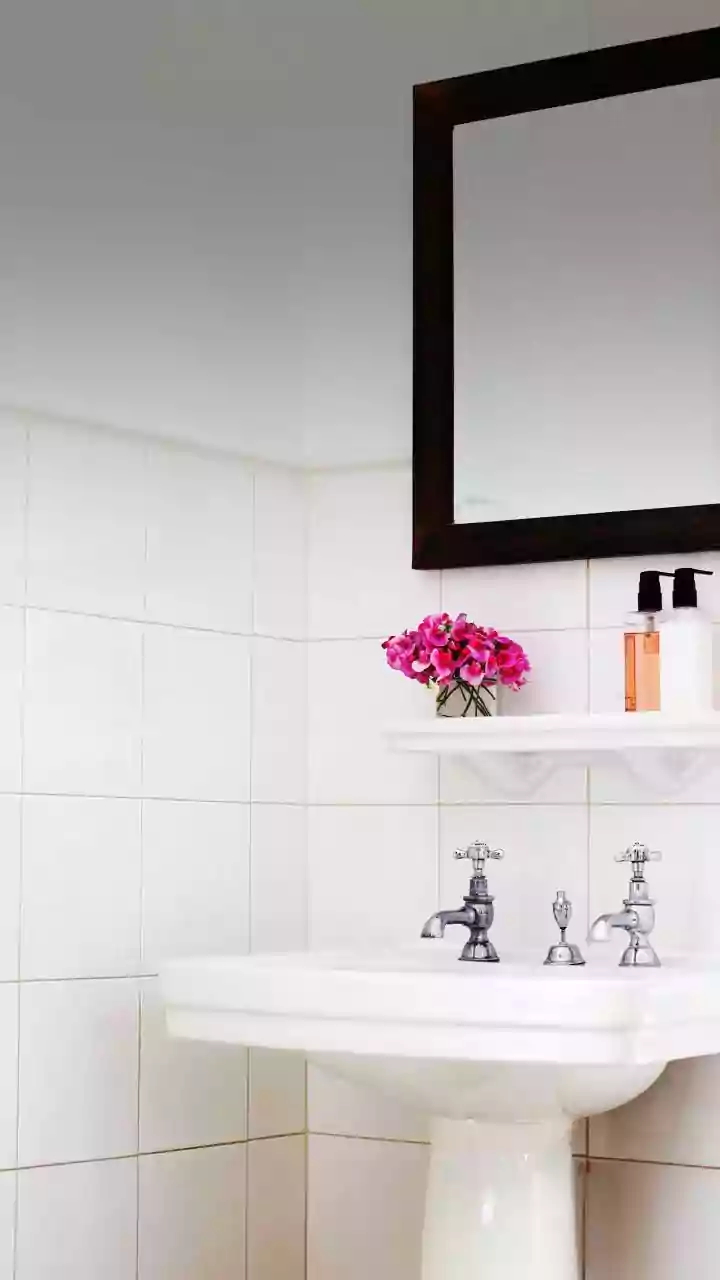
The final flourishes of a home project, often postponed when delays occur, are frequently underestimated but are critical for both aesthetics and functionality. Small additions, such as carefully selected cabinet knobs or thoughtfully placed under-cabinet lighting, can significantly elevate a property's appeal and usability. According to Woman & Home, incorporating these details requires minimal investment and effort yet yields a disproportionately high impact on the perceived value of the home. Beyond these tangible elements, the mental state of the DIYer also plays a crucial role. Studies, including research on ego depletion published in the Journal of Personality and Social Psychology, suggest that as mental energy wanes, decision-making quality suffers. In DIY contexts, this can manifest as skipping steps, rushing through tasks, or opting for shortcuts that may not endure, underscoring the importance of pacing oneself and maintaining focus throughout the project.