






The Power Paradox
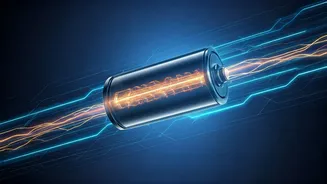
Lithium-ion batteries have become ubiquitous due to their remarkable energy density, powering everything from our smartphones to sophisticated underwater
drones. Their ability to store a significant amount of energy in a compact form factor makes them ideal for devices requiring long operational times or substantial power output. However, this very power comes with inherent risks. These batteries operate through complex electrochemical processes that, under specific circumstances, can lead to thermal runaway – a chain reaction where internal heat generation escalates rapidly. Factors such as manufacturing defects, physical damage, overcharging, or even extreme operating temperatures can trigger this dangerous phenomenon. While we often associate fire hazards with dry, exposed electronics, the potential for combustion within lithium-ion cells is a persistent concern that transcends the typical operating environment.
Underwater Ignition Risks
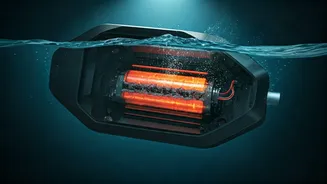
The notion of a battery fire occurring underwater might seem counterintuitive, as water is generally considered a fire suppressant. However, lithium-ion batteries present a unique challenge. When a lithium-ion battery begins to overheat, the chemical reactions inside can produce flammable gases. If this overheating escalates to ignition, the internal energy of the battery can be so intense that it can overcome the cooling effect of the surrounding water, at least initially. The water might even exacerbate the situation by creating steam and potentially spreading burning materials if the battery casing breaches. This means that the safety protocols and considerations for these batteries cannot be solely focused on terrestrial applications; their potential for thermal runaway and subsequent ignition remains a significant concern, even when encased in waterproof housings and submerged in aquatic environments.